
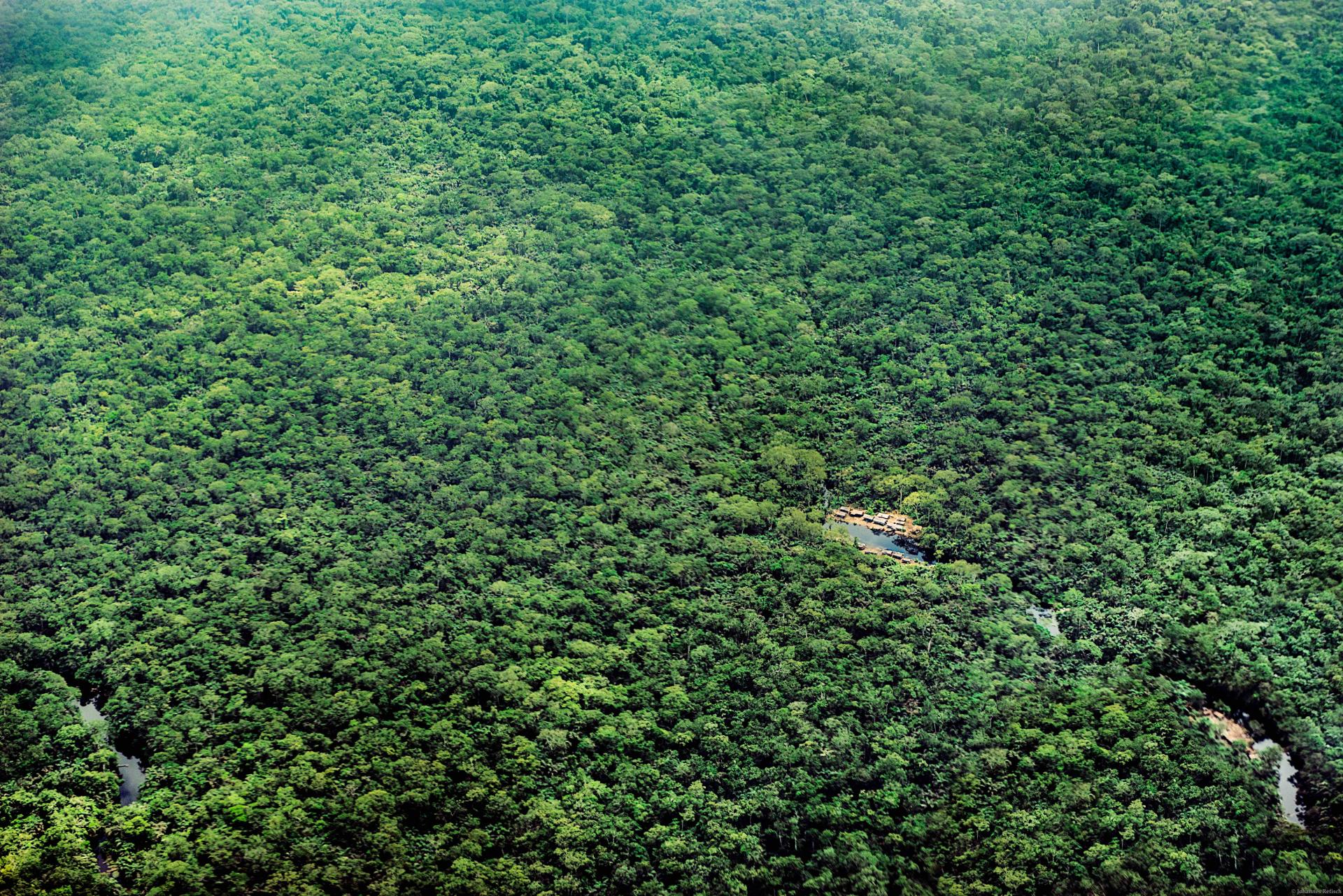
The GEF7 regional project “Transformational Change in Sustainable Forest Management in Transboundary Landscapes of the Congo Basin”
This initiative promotes regional cooperation to conserve vital forests, protect biodiversity, and support local communities across the Congo Basin. Through policy strengthening, landscape-based approaches, innovative financing, and community empowerment, the project aims to foster sustainable land use, improve ecosystem health, and ensure long-term social and environmental resilience in this critical region.
Countries Involved
The program directly engages six countries from the heart of the Congo Basin:
- Cameroon
- Central African Republic (CAR)
- Democratic Republic of the Congo (DRC)
- Equatorial Guinea
- Gabon
- Republic of the Congo
Key outcomes sought
- Enhanced Governance and Enabling Environment: Establish frameworks for integrated land-use planning, strengthen institutional and community governance, and mainstream conservation principles into national policies and incentives.
- Long-Term Viability of Forests: Ensure the long-term health of forests by increasing the connectivity between forested areas, improving management effectiveness in high conservation value forests, and enhancing ecosystem services.
- Community Rights and Sustainable Livelihoods: Strengthen the rights and tenure of local communities and forest-dependent people, empowering them to participate in and benefit from sustainable forest use.
- Sustainable Private Sector Engagement: Foster collaboration with the private sector to develop sustainable forest-related value chains, linking local producers to markets and promoting sustainable sourcing through financial incentives and safeguards.
- Regional Cooperation and Knowledge Exchange: Build regional dialogue and collaboration among the six Congo Basin Forest countries, facilitating the sharing of knowledge, best practices, and innovations in sustainable forest management.
- Increased Finance for Sustainable Management: Mobilize public and private financial resources for sustainable forest and land management, including both grant and non-grant instruments, to reduce investment risk and create the economic foundation for long-term impact.
- Catalyzing Systemic Change: Address the root drivers of forest degradation by promoting a holistic, landscape-level approach that bridges institutional silos and generates multiple benefits for biodiversity, climate, and people.
The ultimate goal of the Congo IP is to have a positive and lasting impact on biodiversity, sustainable forest management and local communities
Co-financing Total
USD 49,935,044
GEF Project Grant
USD 8,192,366
GEF Agency Fees
USD 737,313
Sections
Objectives
To develop and implement integrated transboundary land use planning, enhance wildlife crime prevention, strengthen zoonotic disease surveillance, empower Indigenous Peoples and Local Communities (IPLCs), and promote sustainable forest management (SFM) and private sector engagement across the Congo Basin.
Components
- Transboundary landscape management and connectivity
- Development and harmonization of ILUMPs
- Capacity building, stakeholder engagement, and regional cooperation
- Knowledge sharing and policy advocacy
- Promoting sustainable land use and forest management by local communities and private sector
Threats
- Habitat loss from small-scale agriculture (12% land cover, 15x larger than large-scale oil)
- Expanding palm plantations,
- Illegal wildlife trade,
- Zoonotic disease transmission,
- Weak land tenure rights for IPLCs.
Interventions
Land Use & Ecosystem Connectivity
- Development, validation, and regional endorsement of integrated land use plans (ILUMPs) involving local communities and stakeholders.
- Implementation of ILUMPs with emphasis on natural capital valuation and climate resilience.
Ecosystem & Wildlife Management
- Establishment of transboundary forest corridors and protected area management improvements.
- Support for wildlife crime prevention, including capacity building, legal reforms, and anti-trafficking enforcement.
- Strengthening of health surveillance systems for zoonotic diseases, notably through laboratory capacity building.
Community & Private Sector Engagement
- Securing land tenure and rights for indigenous and local communities.
- Promoting sustainable value chains (e.g., cocoa, NTFPs) and fostering private sector commitments to deforestation-free and peatland-friendly practices.
- Supporting community-led livelihoods and natural resource management.
Knowledge Sharing & Outreach
- Launch of the regional IP knowledge platform and online community of practice.
- Facilitating regional networks for capacity building, knowledge exchange, and south-south cooperation.
Outcomes
- Harmonized transboundary ILUMPs
- Strengthened regional cooperation and policy frameworks
- Expanded sustainable management (over 7 million hectares protected; 500,000 hectares restored)
- Stabilized and restored forest cover and peatlands
- Conservation of critical biodiversity (elephants, great apes)
- Mitigation of 121+ million tons of CO₂
- Empowered 358,000 beneficiaries (including 190,250 women)
- Enhanced private sector engagement and deforestation-free supply chains
Expected Impact
Ecosystem & Biodiversity Conservation
- Regionally endorsed land use plans promoting ecosystem integrity and climate adaptation.
- Enhanced connectivity supporting biodiversity and wildlife migration corridors.
Governance & Security
- Improved transboundary collaboration on wildlife crime and enforcement.
- Strengthened disease surveillance reducing zoonotic risks.
Community & Private Sector Benefits
- Secure land tenure and increased sustainable income for indigenous and local communities.
- Private sector commitments fostering sustainability in supply chains, reducing deforestation and habitat degradation.
Regional Collaboration & Capacity Building
- Strengthened stakeholder engagement, knowledge exchange, and coordination across countries.
Governments of Cameroon, CAR, DRC, Equatorial Guinea, Gabon, Republic of Congo; regional bodies ECCAS, COMIFAC, CEFDHAC, REPALEAC, ITTTA, GEF Agencies: UNEP (lead), WWF-US, World Bank, IUCN, UNDP, FAO | NGOs: WWF Cameroon, Wildlife Conservation Society (WCS), Conservation Justice, TRAFFIC | Private Sector: CIB-OLAM, IFO, Taylor Guitars |Research institutions: Universities (Marien Ngouabi, Dschang), research centers (CRGEC, CIFOR) | Multilateral/Bilateral: CAFI, EU, AfDB, German KFW, GIZ, French FFEM and AFD, USFWS.
- 2025 Annual Conference of the GEF-Funded Critical Forests Integrated Programmes in the Congo Basin and the Guinean Forest regions
- GEF Congo Basin Sustainable Landscapes Impact Program: Inception Workshop Report
- The GEF Congo Forest Integrated Programme supports efforts to understand and address wildlife trafficking and wildlife crime in Central Africa
- Transforming Sustainable Commodity Production in the Congo Basin
- Guardians of the Water: Counting Crocodiles in the Lac Télé Community Reserve (RCLT)
- From Kribi to Action: How South-South Cooperation is Catalyzing Africa's Expanded Forest Conservation Partnership
- Kribi Conference Catalyzes South-South Momentum for Africa’s Vital Forests
- La conférence de Kribi catalyse la dynamique Sud-Sud en faveur des forêts vitales d'Afrique
- Minimizing the risks of disease transmission between humans and wildlife
- Representatives from Cameroon, CAR, Republic of Congo, and Gabon Propose Five-Phase Roadmap to Combat Transboundary Environmental Crime Through Regional Eco-Security Cooperation
- Strengthening transboundary networks to deal with wildlife crime across the Congo Basin
- Workshop to advance Transboundary Cooperation between Cameroon and Equatorial Guinea for the Conservation of the Campo Ma’an and Rio Campo landscape
- Knowledge Brief: Wildlife Trafficking in Central Africa