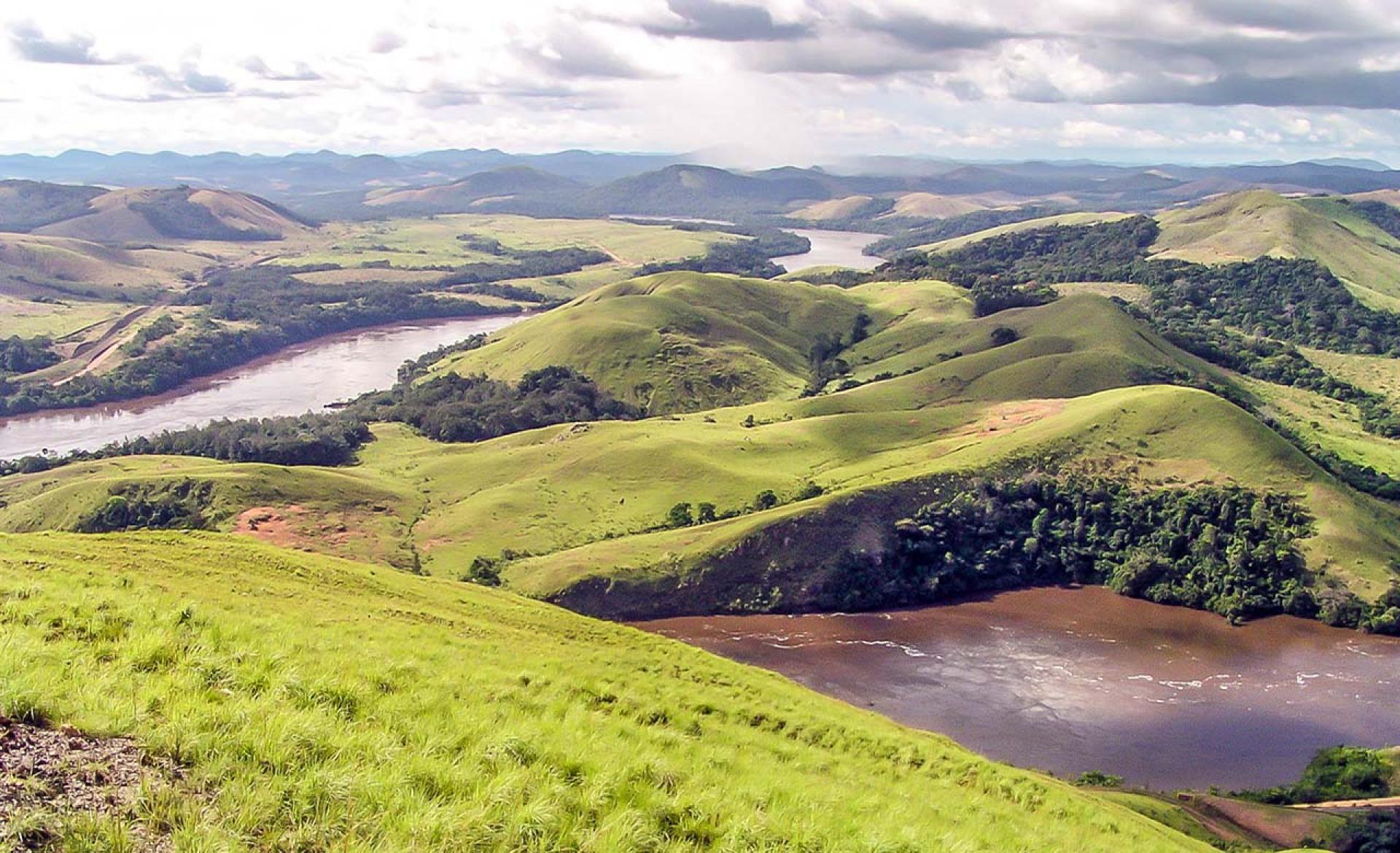
This project seeks to revolutionize governance frameworks in the Lower Ogooué - Lower Nyanga landscape corridor by promoting inclusive, transparent, and sustainable forest and landscape management. It emphasizes strengthening multi-stakeholder participation, improving policy and legal frameworks, and fostering coordinated actions across sectors and jurisdictions. The overarching goal is to enhance biodiversity conservation, ecosystem health, and sustainable livelihoods through effective governance reforms in this transboundary landscape corridor, with a focus on balancing conservation, development, and local community needs.
Co-financing Total
USD 38,035,000
GEF Project Grant
USD 6,566,513
GEF Agency Fees
USD 590,986
Sections
Objectives
- Strengthen participatory governance structures for landscape management involving local communities, indigenous peoples, government agencies, and private sector actors.
- Improve institutional capacities and legal frameworks supporting sustainable land and resource use.
- Promote transparent and accountable decision-making processes at local, regional, and national levels.
- Improve strategic coordination across the landscape corridor.
- Support adaptive management practices based on robust monitoring, data sharing, and knowledge exchange.
- Strengthen participatory, multi-stakeholder governance for landscape management (local communities, Indigenous peoples, government, private sector).
Key components
- Governance Reform and Institutional Strengthening
- Multi-stakeholder Platforms and Dialogue
- Legal and Policy Frameworks
- Capacity Building and Knowledge Management
- Participatory Land and Resource Planning
- Monitoring, Data Sharing, and Transparency
Threats
- Weak governance and lack of transparency leading to illegal logging, resource exploitation, and land grabbing.
- Limited capacity of local authorities and communities in effective landscape governance.
- Conflicts over land rights, tenure, and resource access.
- Uncoordinated land use planning causing habitat fragmentation and loss of biodiversity.
- Political and institutional fragility hindering policy enforcement.
- Unsustainable development pressures and infrastructure expansion.
- Climate change impacts further complicating governance challenges.
Interventions
- Reform and strengthen legal and policy frameworks supporting sustainable governance and land rights.
- Establish multi-stakeholder governance platforms to foster dialogue and joint decision-making.
- Conduct awareness raising and training programs for local authorities, communities, and private sector actors.
- Facilitate participatory land use planning processes integrating ecological and socio-economic considerations.
- Support community-based tenure security initiatives and customary rights recognition.
- Introduce transparent monitoring and reporting systems for land use, resource management, and governance outcomes.
- Promote conflict resolution mechanisms and enhance institutional coordination at multiple levels.
Outcomes
- More effective, inclusive, and transparent governance structures in the landscape corridor.
- Better recognition and protection of community and indigenous land and resource rights.
- Improved coordination among local, regional, and national agencies in landscape management.
- Reduced illegal and unsustainable resource exploitation.
- Strengthened capacity of local actors to participate actively in governance processes.
- Enhanced biodiversity and ecosystem health through sustainable management practices.
- Increased social cohesion and trust among stakeholders.
Activities
(in progress or completed)
- Supporting the implementation of the National Land Use Plan (PNAT) and developing integrated land use management plans (ILUMPs).
- Building capacity of local and indigenous communities in sustainable harvesting, value chain development, and eco-tourism.
- Promoting non-timber forest products and ecotourism as sustainable livelihoods.
- Conducting a technical retreat in Q4 2024 to train stakeholders in conservation and land use planning.
- Finalizing Terms of Reference and socio-economic data collection for ILUMPs in key landscape segments by December 2024.
- Engaging key government agencies (DGEDD, DGF, ANPN) in capacity-building sessions on integrated conservation strategies.
- Developing a stakeholder training framework, with progress towards training 10% of 20 targeted stakeholders (including 8 women) by December 2024.
- Coordinating with regional initiatives to harmonize land use and conservation policies.
Expected impact
- trengthened land use planning and governance aligned with national policies, supporting sustainable landscape management management in the Lower Ogooué - Lower Nyanga corridor.
- Empowered local and indigenous communities through capacity-building, improving their participation and livelihoods (secure tenure and participation rights).
- Increased sustainable management of non-timber resources and expanded ecotourism, diversifying income sources.
- Enhanced regional and cross-sectoral coordination, promoting harmonized conservation and land use strategies.
- Improved stakeholder engagement and institutional capacities support ecosystem resilience, biodiversity conservation, and socio-economic development.
- Contribution to national and regional conservation and development goals, aligned with SDGs, especially SDG 15 (Life on Land) and SDG 16 (Peace, Justice and Strong Institutions).
Area of intervention
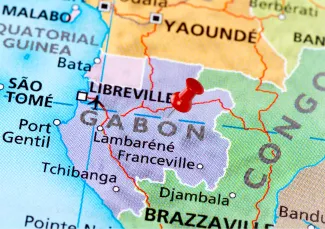
Government of Gabon| COMIFAC | CEFDHAC| REPALEAC| local communities, private sector actors| NGOs| research institutions