
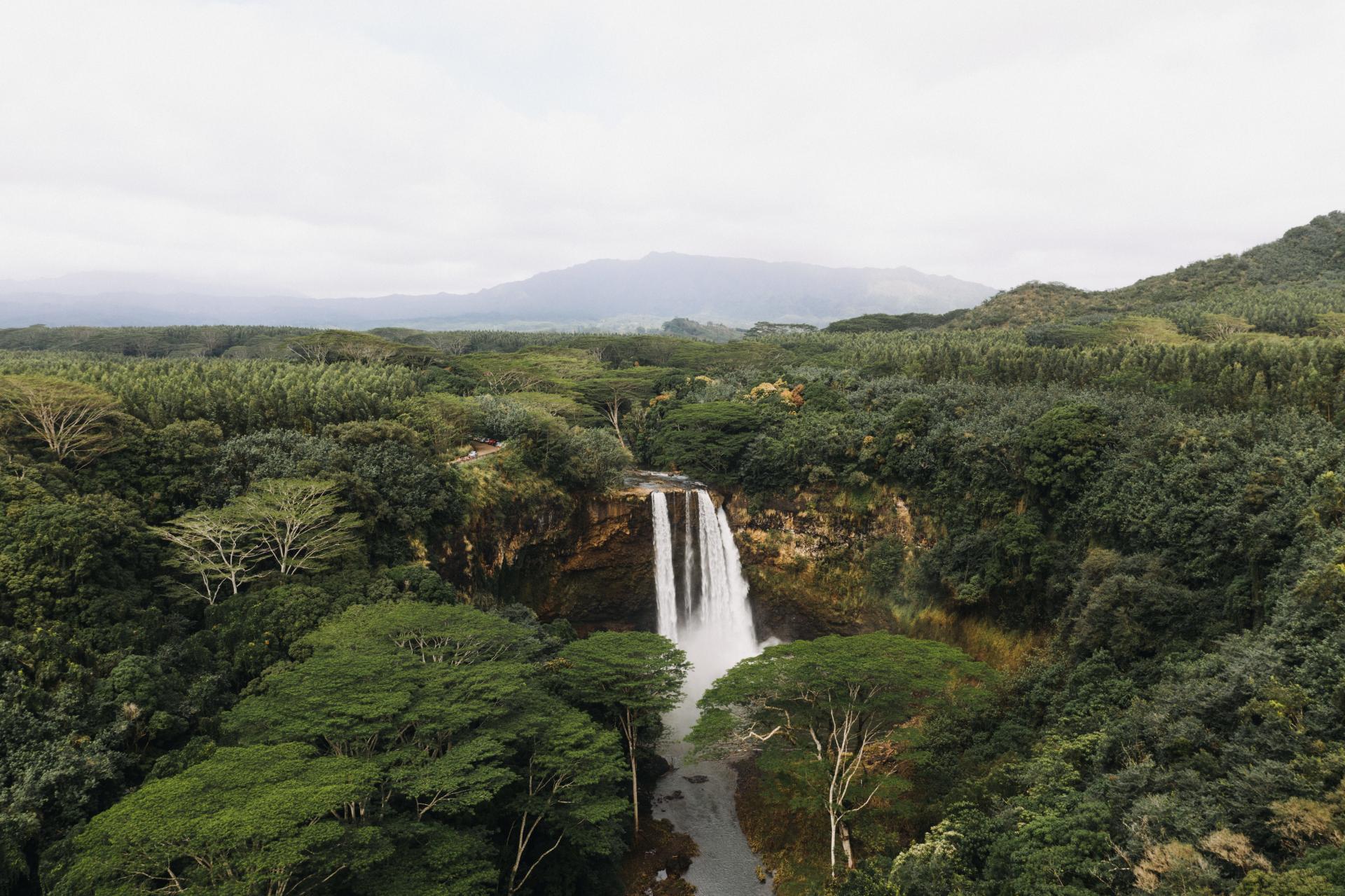
The GEF-8 Congo Critical Forest Biome Integrated Programme (2025–2032) builds on GEF-7 components and coordinates with regional and country-level efforts to conserve the Congo Basin’s forests and biodiversity. It focuses on protecting primary tropical forests, reducing deforestation and forest degradation, and promoting sustainable forest management through a regional landscape approach.
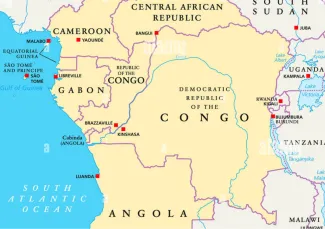
Countries involved
- Angola,
- Cameroon,
- Central African Republic (CAR),
- Democratic Republic of the Congo (DRC),
- Equatorial Guinea, Gabon,
- Republic of Congo, and
- São Tomé and Príncipe.
Key outcomes sought
- Reduced deforestation and forest degradation,
- Enhanced landscape connectivity and resilience,
- Scaled climate finance and nature-positive investments, and
- Improved governance and stakeholder coordination across the Congo Basin.
Co-financing Total
USD 41,581,450
GEF Project Grant
USD 7,139,451
GEF Agency Fees
USD 642,415
Sections
Objectives
To promote systemic, large-scale conservation of critical forest biomes in the Congo Basin by enhancing governance, landscape management, and regional coordination, ultimately conserving biodiversity, reducing deforestation, and mitigating climate change.
Components
- Strengthening regional governance frameworks
- Integrated landscape management across transboundary areas
- Capacity development for governments and stakeholders
- Mobilizing private sector engagement and finance
- Knowledge management and policy reform
Threats
- Deforestation and forest degradation
- Weak governance and policy incoherence
- Unsustainable land-use practices
- Illegal logging, poaching, wildlife crimes
- Land conversion for agriculture and mining.
Interventions
- Regional policy analysis and development
- Capacity building workshops
- Support for sustainable livelihoods and green enterprises
- Mobilization of climate and biodiversity finance
- Strengthen transboundary landscape governance via regional policies and frameworks.
- Support collaboration with regional bodies (COMIFAC, TNS) for wildlife crime control and habitat protection.
- Revive and implement regional land use and forest management plans (e.g., Mayombe, Oubangui).
- Foster multi-stakeholder platforms for dialogue on land, water, and forest resources.
- Scale conservation actions, including flagship species protection (e.g., forest elephants, gorillas) and habitat restoration.
- Mobilize additional climate and conservation finance, leveraging global commitments (e.g., US$1.5 billion pledged at COP26).
Outcomes
- Coherent regional policies supporting forest conservation
- Improved management of landscapes; increased protected and restored areas
- Enhanced stakeholder collaboration and governance
- Increased funding and private sector investment in conservation efforts
- Conservation of critical biodiversity and ecosystems.
- Stabilization or reversal of forest loss trends.
- Improved regional governance and inter-sectoral coordination.
- Enhanced monitoring, reporting, and enforcement capacity.
Expected Impact
- Reduced deforestation and forest loss in critical biomes
- Strengthened regional cooperation on biodiversity conservation
- Improved ecosystem resilience and climate mitigation
- Sustainable livelihoods for local communities
- Key landscapes biodiversity protected and sustainably managed in, including Atlantic Coastal Forests, Oubangui landscapes, and Mayombe.
- Climate mitigation through increased forest carbon stocks.
Area of intervention
Six Central African countries: Angola, Cameroon, Central African Republic, Democratic Republic of the Congo, Equatorial Guinea, Sao Tome and Principe
UN Country Teams and UN Resident Coordinator Offices | COMIFAC (Regional Forest Commission for Central Africa) | National governments of Congo, DRC, CAR, Gabon, Angola, and others | Regional stakeholders such as IUCN, WWF, UNDP, IFAD | Private sector entities and financial institutions | Indigenous peoples and local communities