
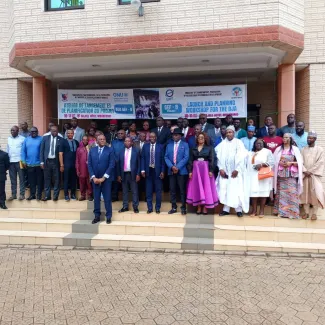
The GEF-8 Dja Landscape Inception Workshop held on 10–11 September 2025 in Mbankomo, Cameroon marked a pivotal milestone in operationalizing the strategic objectives of the project titled “Strengthening Governance and Ecosystem Connectivity for Biodiversity Conservation and Improved Livelihoods in the Dja Landscape.”
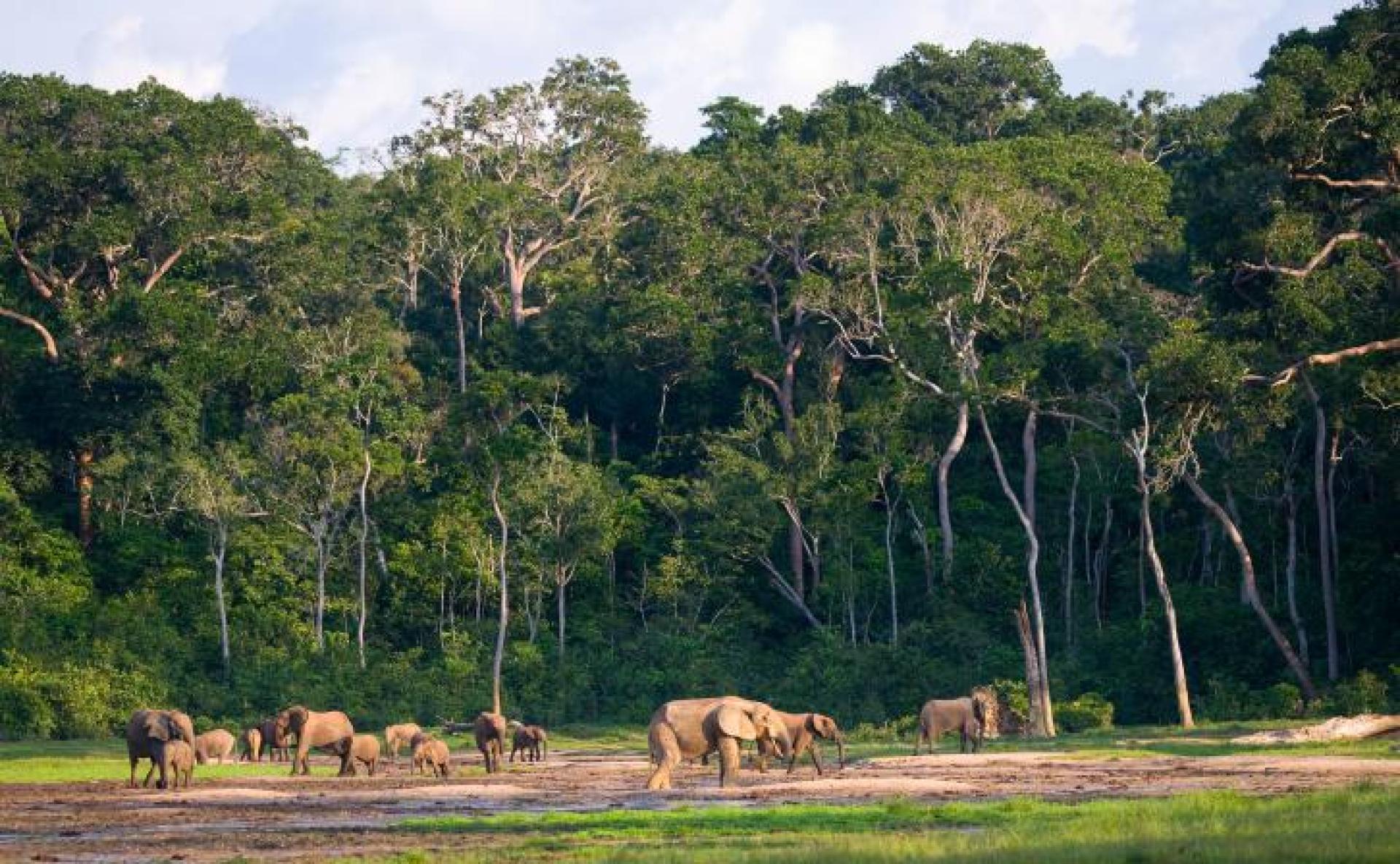
This initiative is a cornerstone of Cameroon’s commitment to conserving its rich biodiversity within approximately 4 million hectares of the Congo Basin forests, encompassing key protected areas such as the Dja Biosphere Reserve—an esteemed UNESCO World Heritage Site—and adjoining multi-use zones, including wildlife reserves, community forests, logging concessions, agro-industrial plantations, and human settlements.
The Dja landscape is renowned for its exceptional biological richness, supporting numerous globally threatened species such as the Western lowland gorilla, chimpanzee, forest elephant, and numerous bird and plant species. It also plays a crucial role in regional climate regulation and carbon sequestration.
This Cameroon GEF-8 national project forms part of the broader GEF Congo Forest Integrated Programme, led by UNEP, which includes a network of fourteen (14) projects across GEF-7 and GEF-8 phases. Collectively, these initiatives aim to catalyze a transformational shift toward sustainable forest management, biodiversity conservation, and landscape connectivity across the transboundary Congo Basin. As Miniter Hele, Cameroon’s Minister of Environment, Nature Protection and Sustainable Development, points out: “this project is intended to protect one of the precious treasures of our country. It is also a catalyst to permit us to build harmony between humanity and nature.”
Objectives and Key Focus Areas
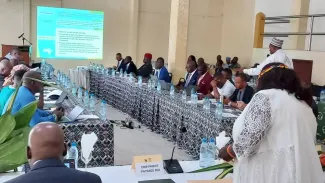
Building on the achievements of GEF-7, the project emphasizes integrated, ecosystem-based approaches to governance, conservation, and sustainable development. The inception workshop brought together over 70 stakeholders—comprising of government officials, Indigenous Peoples and local communities (IPLCs), civil society organizations, research institutions, NGOs, and private sector actors—to translate strategic ambitions into concrete actions.
Primary focus areas discussed include:
Strengthening Ecosystem Governance: Enhancing institutional capacity and safeguards, ensuring the principles of Free, Prior, and Informed Consent (FPIC), and developing transparent, participatory decision-making processes that empower local communities and IPLCs.
Restoring Ecological Connectivity: Implementing landscape-scale initiatives to facilitate wildlife movement and maintain genetic flow among populations, thereby supporting ecosystem resilience.
Sustainable Livelihoods: Promoting community-led, climate-smart livelihood options such as agroforestry, sustainable harvesting, and value-added forest products. These efforts aim to restore at least 10,000 hectares of degraded land and extend sustainable practices over one million hectares.
Climate Change Mitigation: Contributing to national and regional climate goals by sequestering an estimated 45 million tons of CO₂, aligning with Cameroon’s NDC commitments.
Monitoring and Inclusion: Establishing robust monitoring, grievance redress mechanisms, and ensuring equitable community participation to foster ownership and accountability.
Expected Outcomes and Regional Significance
By integrating these actions within the overarching GEF-7 and GEF-8 strategies, the project aspires to achieve measurable biodiversity recovery, improved ecosystem resilience, and enhanced regional cooperation within the Congo Basin. Through the GEF-8 Congo Integrated Forest Program, the Dja has been identified as a priority landscape where governance, restoration, and sustainable livelihoods can be advanced together, it aims to serve as a model for transboundary landscape management that balances the urgent need for biodiversity protection with the sustainable development aspirations of local communities.
More on GEF8:
GEF-8 refers to the eighth replenishment cycle of the Global Environment Facility (GEF), covering the period from 2022 to 2026 and involving over $5.3 billion in pledged funding from donors. Its goals include promoting integrated, nature-based solutions for sustainability, supporting cities in mobilizing climate finance, and addressing issues across biodiversity, land degradation, climate change, and food systems. The strategy uses an integrated programming approach and focuses on achieving specific environmental benefits through various projects and programs.