
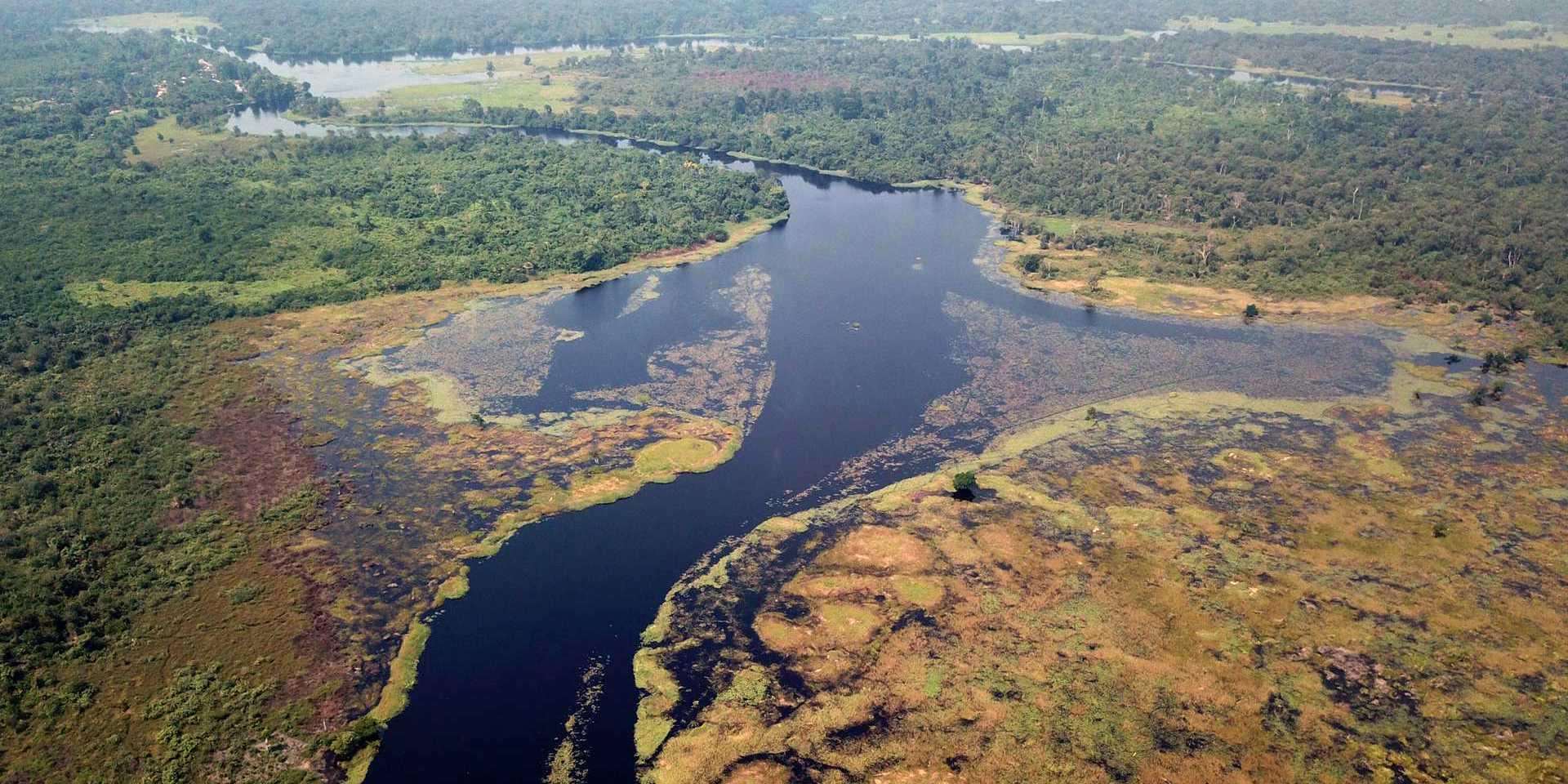
A new special issue of Philosophical Transactions of the Royal Society B, “African tropical peatlands: function, value and vulnerability,” brings together research on the ecological, climatic and social dimensions of African tropical peatlands, with a strong focus on the central Congo Basin.
The collection adds to a growing body of scientific knowledge about one of the world's most important peatland landscapes. Its contributions explore biodiversity, long-term hydrological dynamics, climate and land-use pressures, and how communities use and adapt to these ecosystems.
This research is particularly timely. Since the extent and significance of the Cuvette Centrale peatlands were highlighted through scientific research in 2017, understanding how these ecosystems function—and how they can be protected while supporting the people who depend on them—has become an increasing priority for governments, researchers and conservation partners.
Building knowledge and cooperation
The growing scientific evidence has helped strengthen international attention and cooperation around the Congo Basin peatlands. Central to this momentum is the Global Peatlands Initiative (GPI), which elevated peatland protection on the global policy agenda and fostered South-South and Triangular Cooperation among governments, researchers, and civil society. In 2018, the Republic of Congo, the Democratic Republic of Congo and Indonesia signed the Brazzaville Declaration, establishing a shared commitment to protect the Cuvette Centrale from unregulated land use, drainage and degradation.
Research programmes such as CongoPeat lead by the University of Leeds and supported by the International Climate Initiative (IKI) have also played a key role in building the evidence base, including through mapping the extent and carbon stocks of the central Congo peatlands and advancing research on their ecology, hydrology and vulnerability. Together, these efforts are providing a clearer picture of how closely peatland health is linked to water, forests, biodiversity, carbon, and human livelihoods. They also highlight important knowledge gaps, particularly around hydrological dynamics and how these ecosystems may respond to future climate and land-use change.

From knowledge to landscape-level action
For the Congo Basin Landscapes Initiative (CBLI), this growing evidence base provides an important foundation for practical action.
The CBLI is a UNEP-led, multi-country and multi-partner initiative working with governments and stakeholders to advance sustainable land use, biodiversity conservation and the sustainable management of critical Congo Basin ecosystems through informed decision-making, stakeholder engagement and coordinated action.
Within this framework, the IKI-funded Congo Basin Peatlands Project is supporting the Republic of Congo and the Democratic Republic of Congo to secure biodiversity, carbon and water stores in the Lac Télé–Lac Tumba landscape. Funded by the German International Climate Initiative (IKI), the project represents an investment of nearly €15 million from 2022 to 2027.
The investment supports work across governance, sustainable land-use planning, monitoring, capacity building, and stakeholder engagement. The objective is to strengthen the conditions for a biodiversity-friendly development pathway while ensuring that peatland management is informed by the best available scientific and local knowledge.
One example is the development of a Hydrological Decision Support System (HDSS). Developed with project partners; the system models how different development and climate scenarios could affect water levels and peat carbon in the landscape. Its findings reinforce the importance of maintaining the hydrological conditions on which peatland ecosystems depend, particularly when considering interventions that could alter drainage and water levels.
The project is also investing in the people and institutions needed to sustain this work—from national and local stakeholder platforms to monitoring systems, technical capacity and continued knowledge generation.
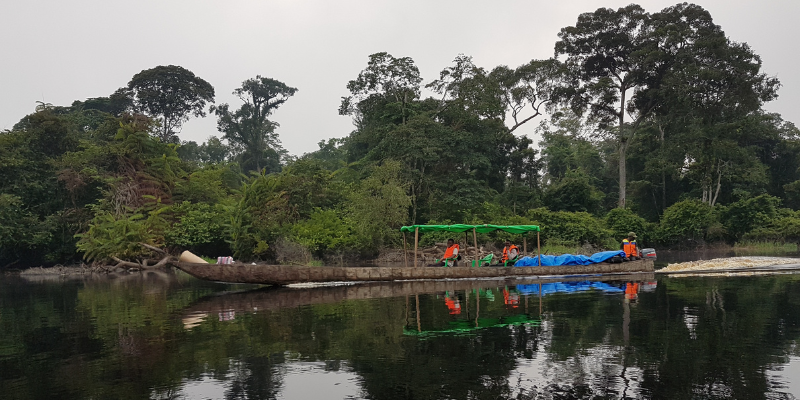
A growing foundation for protecting the peatlands
The latest scientific research is an important contribution to a much broader effort to secure the future of the Congo Basin peatlands. It strengthens our understanding of these ecosystems while highlighting the need for continued research, monitoring, and collaboration.
For the CBLI, the challenge is to help connect this knowledge with the institutions, communities, policies and planning processes that shape the future of the Lac Télé–Lac Tumba landscape.
Protecting the Congo Basin peatlands will require sustained investment and collaboration—across countries and institutions, and between scientists, governments and communities. By bringing together science, governance, capacity and landscape-level action, the CBLI and its partners are helping build the foundations for the long-term conservation and sustainable management of these globally important ecosystems.