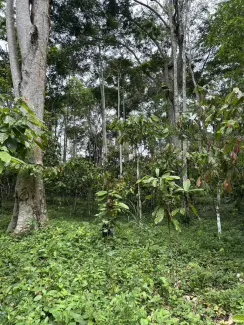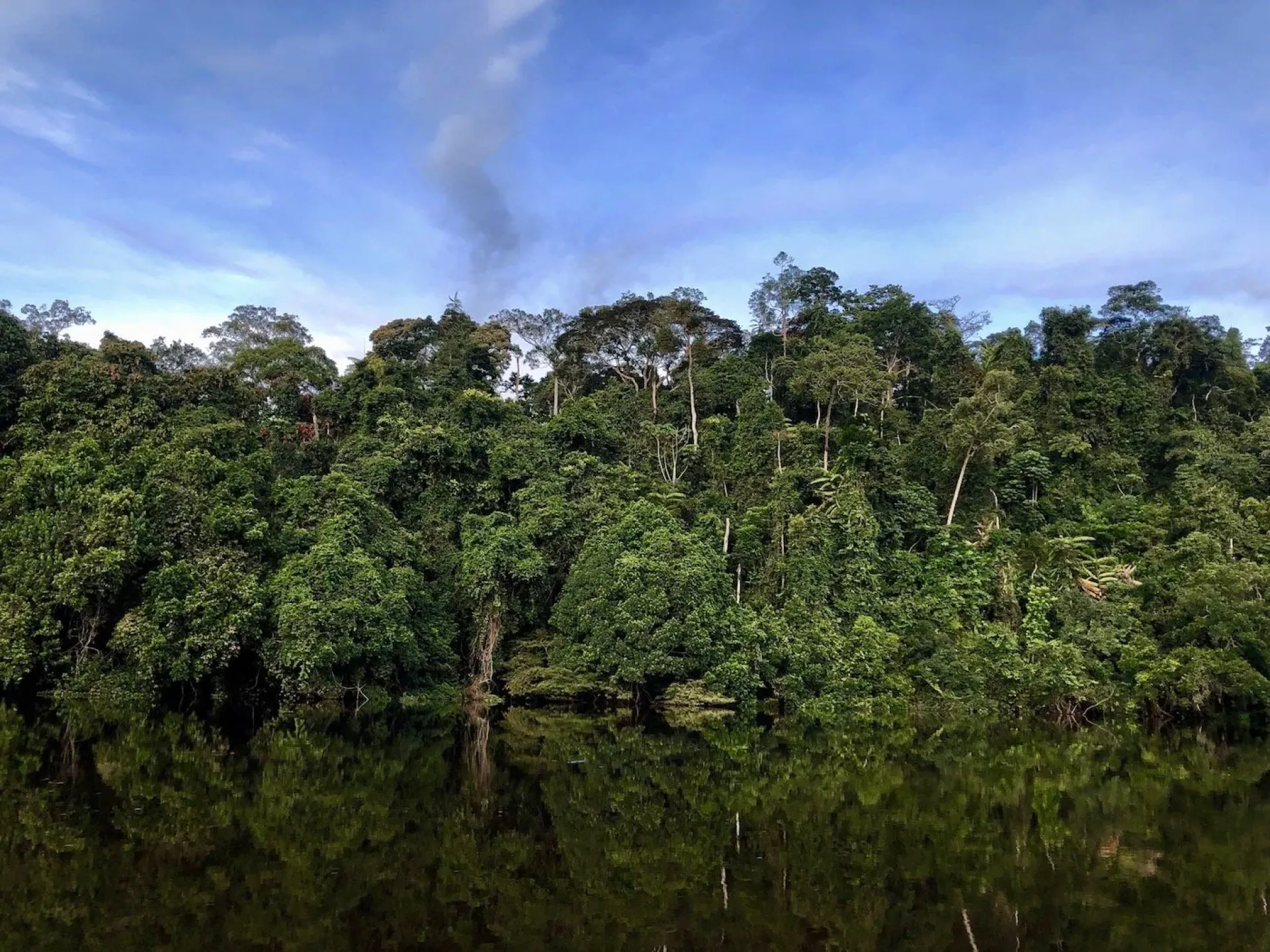
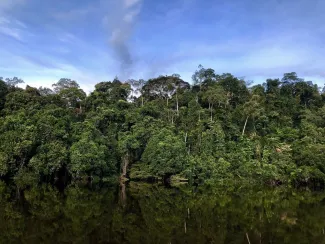
The project "Strengthening Governance and Ecosystem Connectivity for Biodiversity Conservation and Improved Livelihoods in the Dja Landscape" focuses on enhancing governance frameworks and maintaining ecological corridors within the Dja River landscape, a vital transboundary area in Central Africa. Its goal is to conserve biodiversity, strengthen ecosystem connectivity, and promote sustainable livelihoods for local communities.
Co-financing Total
USD 28,114,775
GEF Project Grant
USD 4,152,752
GEF Agency Fees
USD 373,748
Image
Sections
Objectives
- To improve forest and biodiversity governance at local, national, and regional levels.
- To maintain and restore ecological connectivity across the Dja landscape, including key corridors.
- To support sustainable livelihoods for Indigenous Peoples and local communities dependent on forest resources.
- To increase stakeholder engagement, enforce biodiversity protection laws, and promote ecosystem-based approaches.
Key Components
- Strengthening governance, policy frameworks, and enforcement for biodiversity and forest conservation.
- Enhancing ecosystem connectivity through landscape restoration and corridor management.
- Empowering Indigenous Peoples (IP) and local communities (LC) in sustainable resource use and decision-making.
- Developing sustainable livelihood options, including green enterprises aligned with conservation goals.
- Building regional and bilateral cooperation between Cameroon and their neighboring countries sharing the Dja landscape.
Threats
- Deforestation and forest degradation driven by agriculture, logging, and infrastructure development.
- Fragmentation of ecosystems, reducing wildlife movement and genetic flow.
- Weak enforcement of conservation laws and land use planning.
- Unsustainable harvesting of natural resources causing biodiversity loss.
- Land conflicts and lack of governance complicating protected area management.
Interventions
- Enhancing legal and institutional capacities for ecosystem management and enforcement.
- Restoring degraded forest areas and establishing ecological corridors.
- Fostering regional cooperation on transboundary governance and ecosystem connectivity.
- Supporting community-based conservation and sustainable livelihood initiatives.
- Facilitating multi-stakeholder dialogues to align policies and actions for biodiversity and land use.
- Promoting innovative financing mechanisms, such as Payment for Ecosystem Services (PES), for landscape management.
Outcomes
- Improved governance and enforcement of biodiversity and forest management laws.
- Increased extent and connectivity of ecological corridors.
- Active participation of Indigenous Peoples and local communities in conservation and sustainable practices.
- Enhanced sustainable livelihoods reducing dependence on forest exploitation.
- Strengthened regional cooperation for landscape and ecosystem management.
Excepted impact
- Conservation of key biodiversity species and ecosystems within the Dja landscape.
- Restored ecological connectivity facilitating wildlife movement and genetic exchange.
- Reduced deforestation and degradation rates.
- Improved wellbeing and livelihoods of local communities.
- Establishment of a resilient landscape functioning as a model for transboundary ecosystem management in Central Africa.
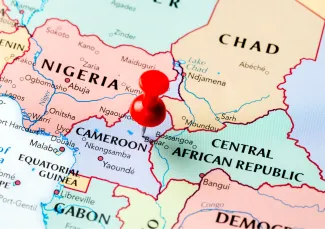
Area of intervention
Image
- Government agencies from Cameroon (including national parks and environmental ministries).
- Adjacent countries sharing parts of the landscape for regional cooperation.
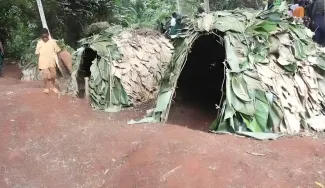
- Indigenous Peoples and Local Communities.
- Regional organizations such as the Central African Forest Commission (COMIFAC).
- Conservation NGOs like IUCN, WWF, conservation research agencies.
- International donors and financial institutions supporting biodiversity and landscape projects.
Image
Image
Image