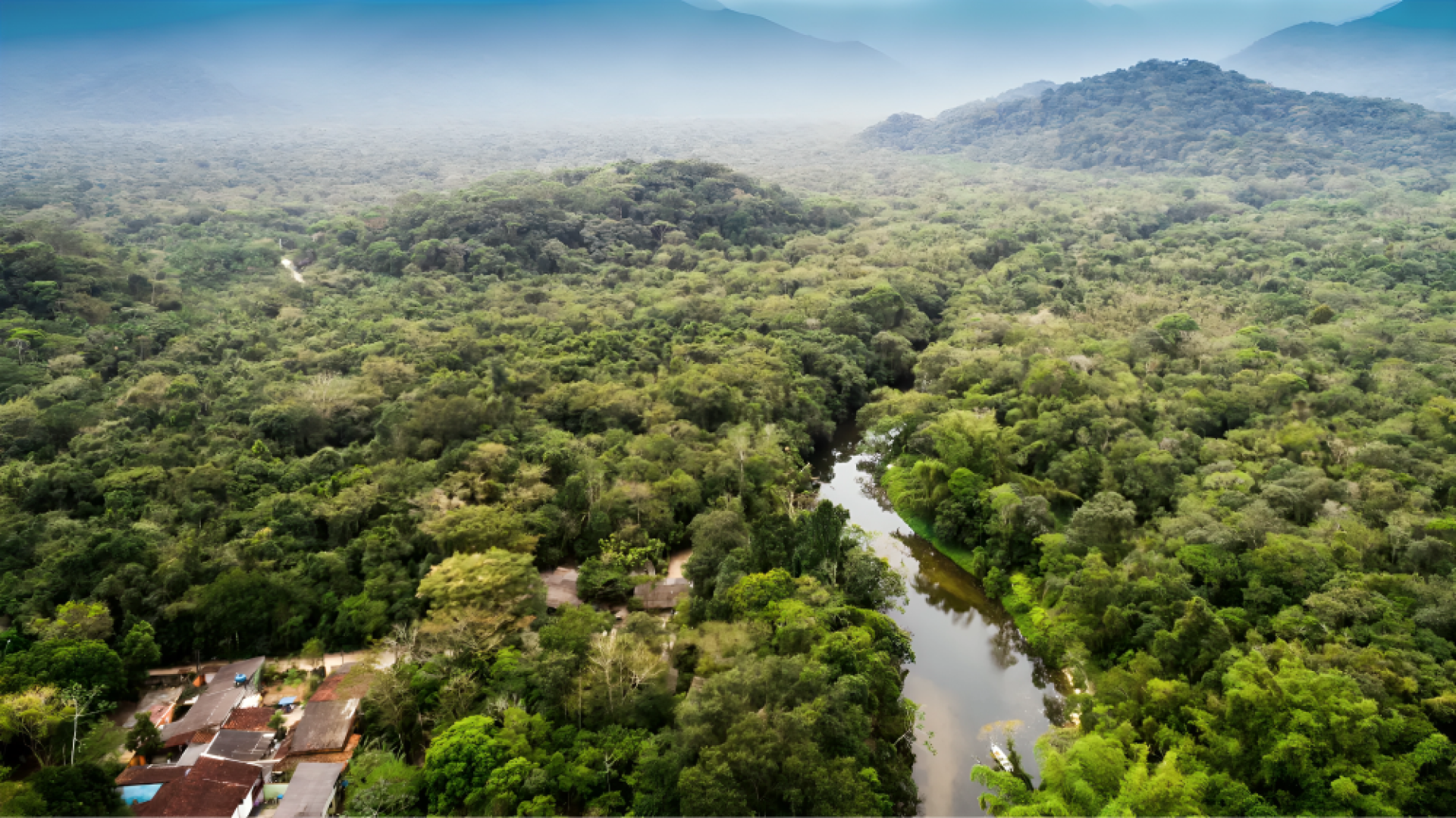
The Integrated Conservation of the Maiombe Forest Ecosystem in Cabinda Province, Angola, aims to protect and restore this unique rainforest of high biodiversity significance. The project will strengthen protected area management, promote sustainable resource use, and enhance ecosystem connectivity across borders. Through community engagement and capacity building, it seeks to improve livelihoods while conserving critical habitats. By fostering regional cooperation and sustainable practices, the initiative contributes to preserving Angola’s rich natural heritage and supporting climate resilience.
Co-financing Total
USD 28,114,775
GEF Project Grant
USD 4,152,752
GEF Agency Fees
USD 373,748
Image
Sections
Objectives
- To conserve the rich biodiversity of the Maiombe Forest ecosystem, including flagship species such as forest elephants, gorillas, and various endemic flora and fauna.
- To strengthen forest governance, policies, and legal frameworks for effective management and enforcement.
- To enhance ecosystem connectivity, buffer zones, and landscape-scale conservation actions.
- To promote sustainable livelihood alternatives for local communities, reducing reliance on forest exploitation.
- To foster regional and cross-border collaboration with neighboring countries and agencies involved in forest management.
Key Components
- Strengthening legal, institutional, and policy frameworks for the protected and sustainable management of the Maiombe ecosystem.
- Establishing or expanding protected areas and ecological corridors to enhance landscape connectivity.
- Supporting community-based natural resource management, including sustainable harvesting and eco-friendly income-generating activities.
- Capacity building for government agencies, local communities, and indigenous groups on conservation best practices and forest enforcement.
- Developing conservation financing strategies, including Payment for Ecosystem Services (PES) and innovative funding mechanisms.
- Increasing regional cooperation for transboundary ecosystem conservation, recognizing the Maiombe Forest’s ecological importance.
Threats
- Deforestation driven by illegal logging, agriculture, and land conversion.
- Encroachment and illegal exploitation of forest resources.
- Fragmentation of habitats affecting wildlife migration and genetic diversity.
- Weak enforcement of protected area regulations and land use policies.
- Local livelihood dependence on unsustainable forest resource extraction.
Interventions
- Expanding and effectively managing protected areas and corridors within the Maiombe landscape.
- Implementing integrated landscape management approaches that align conservation with sustainable development.
- Enabling strong governance through capacity strengthening, policy improvements, and law enforcement enhancement.
- Engaging Indigenous Peoples and local communities in conservation, sustainable harvesting, and livelihoods.
- Facilitating regional and cross-border collaboration with neighboring Angola and other Central African states sharing the Maiombe ecosystem.
- Promoting awareness campaigns, stakeholder dialogues, and participatory planning.
- Supporting innovative financial mechanisms to secure sustainable funding streams for conservation efforts.
Outcomes
- Improved legal and institutional frameworks for conserving the Maiombe ecosystem.
- Increased protected area coverage and functional ecological corridors, improving habitat connectivity.
- Enhanced capacity of local communities and authorities in sustainable resource management.
- Diversified and sustainable livelihoods derived from ecological tourism, agroforestry, or eco-enterprises.
- Strengthened regional cooperation for joint ecosystem management.
Expected impact
- Significant reduction in deforestation and illegal resource exploitation within the Maiombe Forest.
- Preservation of vital biodiversity, including rare and threatened species.
- Greater landscape connectivity, supporting wildlife movement and resilience of ecosystems.
- Improved livelihoods and well-being for rural communities dependent on forest resources.
- Demonstration of a scalable model for integrated forest ecosystem conservation in Angola and the region.
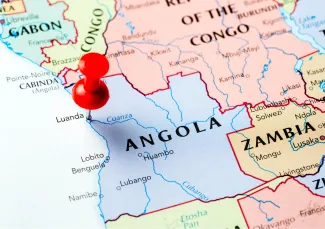
Area of intervention
Image
- Government institutions from Angola, including environmental authorities, forestry agencies, and local government units.
- Regional organizations such as the Central African Forest Commission (COMIFAC).
- Indigenous Peoples, local communities, and civil society organizations working in the Maiombe area.
- National and international conservation NGOs and research institutions.
- Donors and development agencies supporting biodiversity and sustainable development in Angola.
Image
Image
Image