
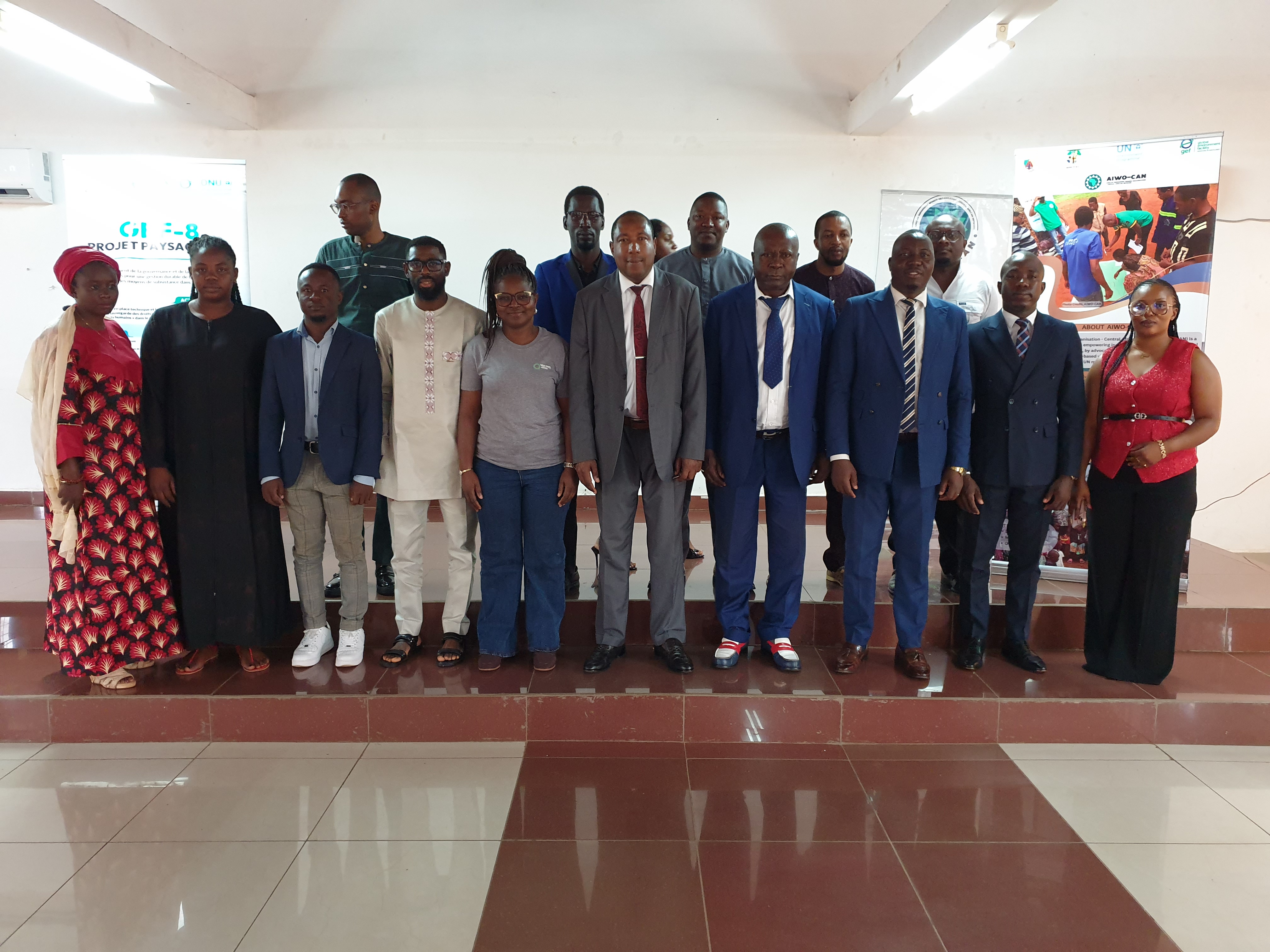
Partners implementing the GEF-financed Dja Landscape Project have validated a new Grievance and Redress Mechanism (GRM), marking an important milestone in ensuring that conservation efforts are transparent, inclusive, and responsive to the needs of local communities.
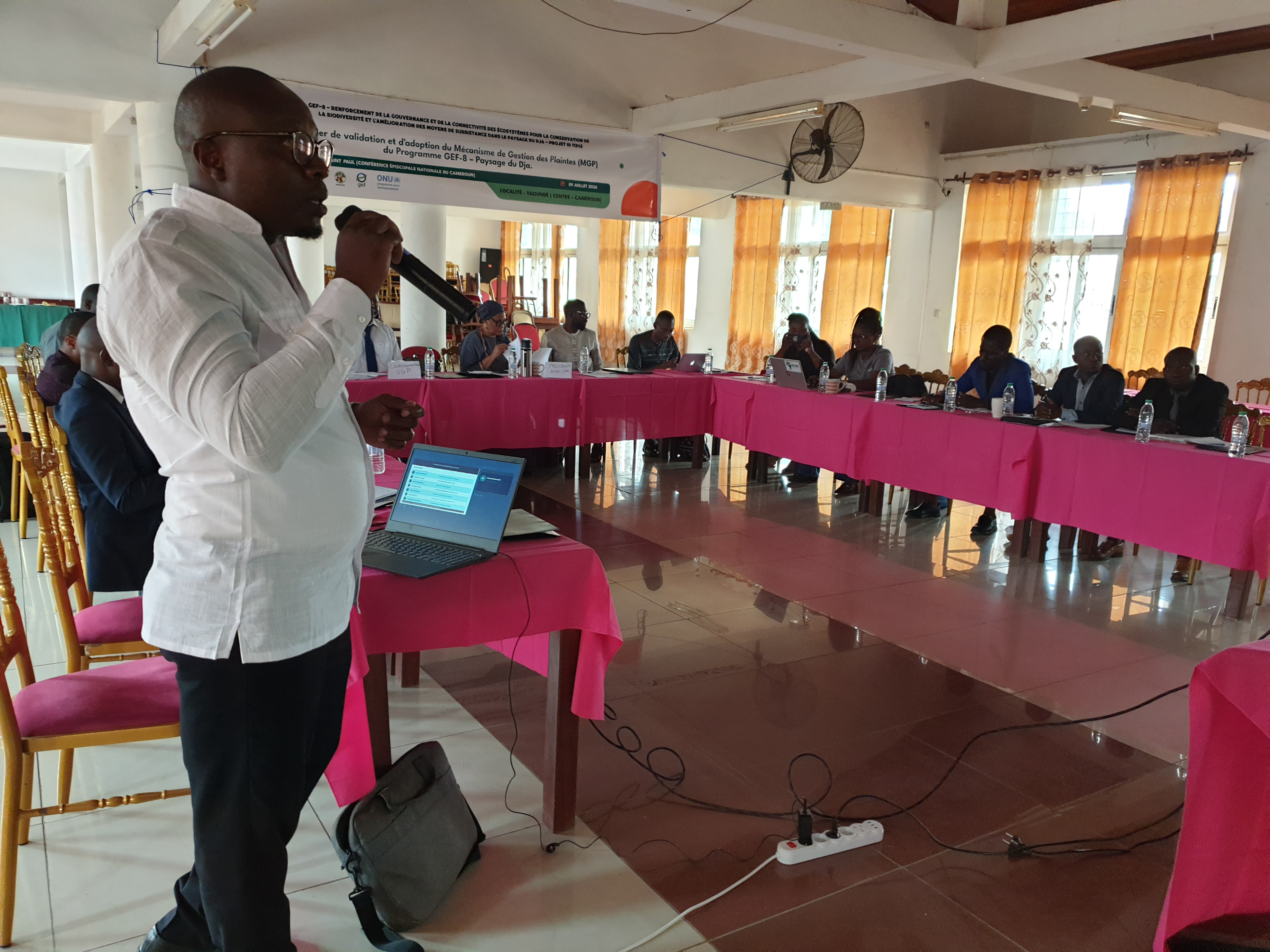
Validated during a workshop held in Yaoundé on 9 July 2026, the mechanism provides Baka Indigenous Peoples, women, young people, and other stakeholders with a safe, fair, and accessible process for raising concerns, resolving disputes, and contributing to project implementation. The mechanism is fully aligned with the Global Environment Facility's (GEF) environmental and social safeguards and reinforces the project's commitment to meaningful stakeholder engagement.
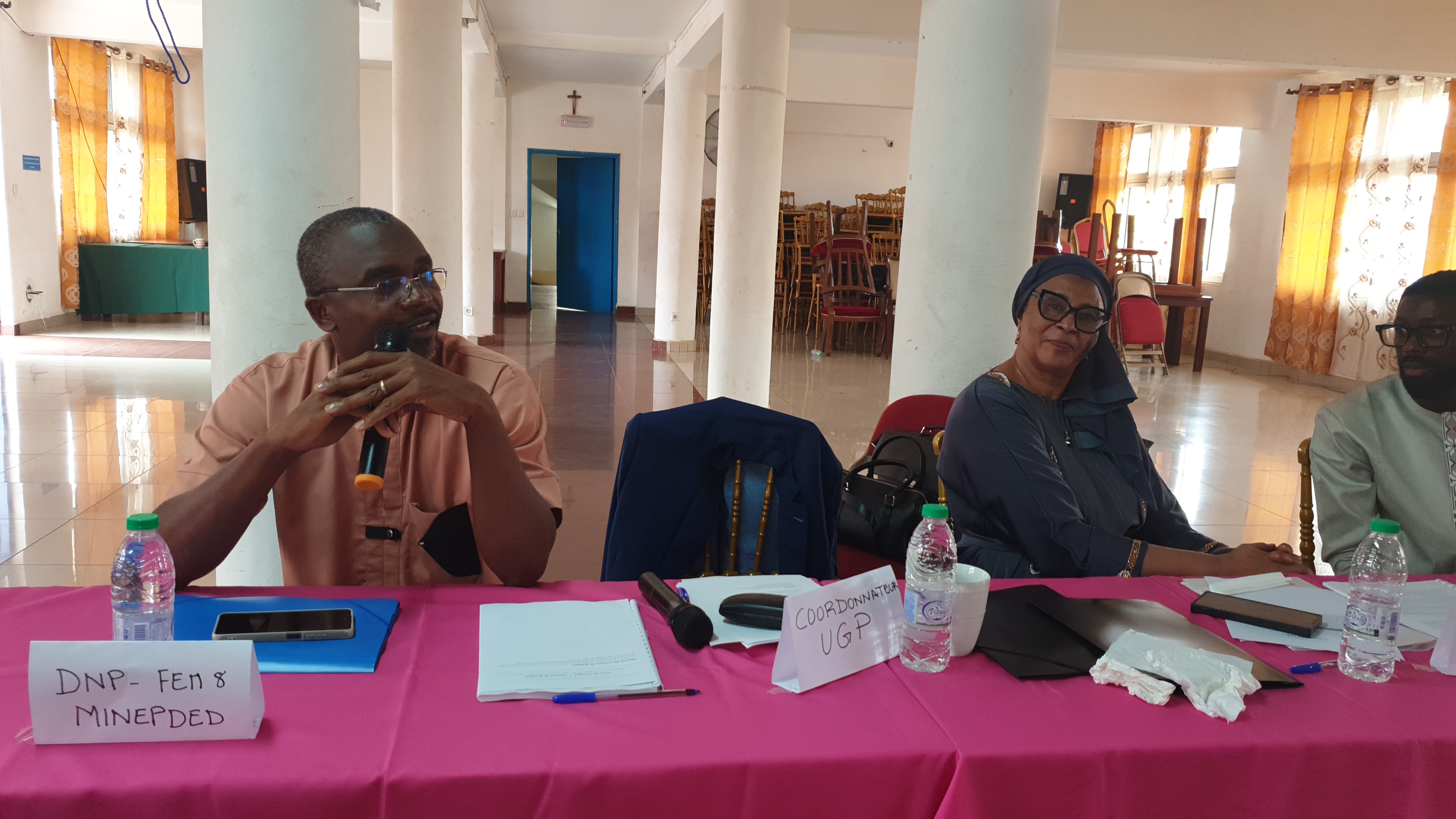
The validation workshop brought together the Project National Coordination Team, the Project Management Unit, implementing partners, representatives from the Ministries of Forestry and Wildlife, Women's Empowerment and the Family, and Social Affairs, as well as Cameroon's GEF Operational Focal Point. Opening the session on behalf of the Minister of Environment, Protection of Nature and Sustainable Development, Project National Director Dr. Haman Unusa encouraged participants to provide constructive feedback to ensure the mechanism effectively serves the communities at the heart of the project.
Building trust through accountability
Strong grievance mechanisms are fundamental to successful conservation initiatives. Beyond meeting safeguard requirements, they help build trust, strengthen partnerships, and ensure that local voices inform project implementation.
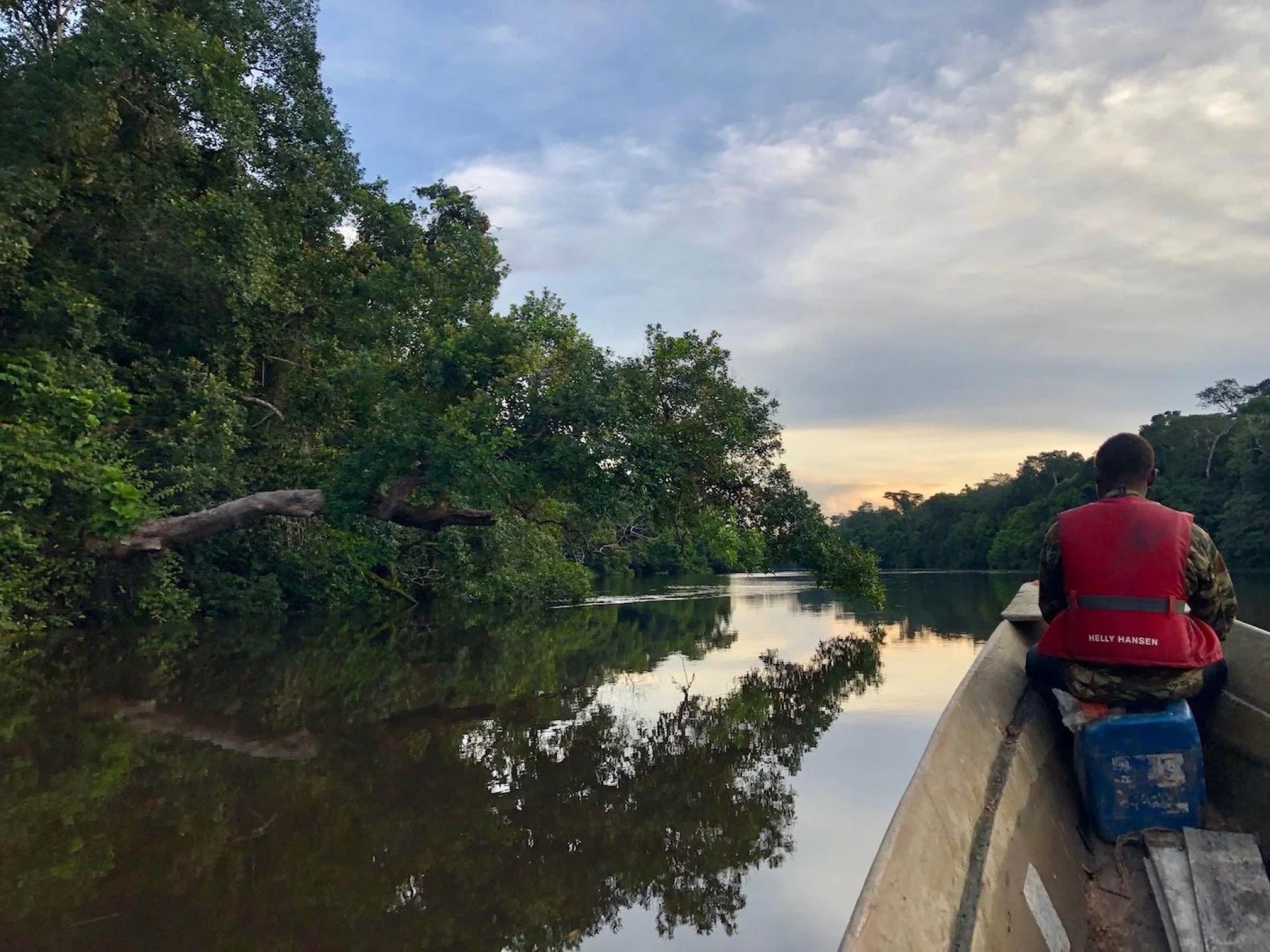
For the Dja Landscape; an ecologically significant forest ecosystem that is home to Baka Indigenous Peoples and many other forest-dependent communities, the new mechanism creates a structured and transparent process for addressing concerns before they escalate. By promoting dialogue and timely resolution of grievances, it supports more inclusive decision-making and reinforces community ownership of conservation efforts.
The GRM was developed by implementing partner AIWO-CAN as part of its first-year mandate under the project. Over an eight-month period, from December 2025 to July 2026, AIWO-CAN, working with consultant Daniel Seba, conducted diagnostic studies, community consultations, validation meetings, and technical drafting to ensure the mechanism reflects both local realities and GEF-8 safeguard requirements.
The mechanism is built on nine guiding principles: legitimacy, accessibility, predictability, equity, transparency, confidentiality, protection against retaliation, cultural sensitivity, and continuous learning. These principles reflect the GEF's commitment to protecting the rights of Indigenous Peoples, promoting gender equality, and ensuring meaningful stakeholder participation throughout the project cycle.
To ensure grievances are addressed at the most appropriate level, the mechanism establishes a four-tier structure that begins within communities and progresses through communal and landscape-level platforms before reaching external institutions, including the National Human Rights Commission and the courts when necessary. An independent expert at the landscape level will provide an additional avenue for appeals, strengthening the impartiality and credibility of the system.
The GRM also provides clear procedures for handling different types of complaints, ranging from land-use conflicts and environmental impacts to corruption allegations and labor-related concerns. Special provisions have been incorporated for cases involving gender-based violence, sexual exploitation and abuse, sexual harassment, and child protection, ensuring survivor-centered approaches, confidentiality, and referral pathways consistent with the GEF's zero-tolerance policy.
"The Grievance and Redress Mechanism is indispensable to the overall success of the Dja Landscape Project," said Mrs. Hawe Haman, President of AIWO-CAN. "It will help strengthen trust between communities and project partners while ensuring concerns are addressed fairly, transparently, and in a timely manner."
From validation to implementation
With the mechanism now validated, project partners will focus on translating the framework into an operational system that communities can readily access and use.
Implementation will begin with pilot testing in three of the project's eleven councils before expanding across the entire landscape. Key activities will include:
- Raising awareness: Disseminating the approved GRM among project staff, partners, contractors, and communities through local-language translations, brochures, posters, frequently asked questions, digital platforms, and community outreach activities.
- Strengthening capacity: Training GRM focal points and committee members while equipping communities with practical information on how to submit complaints and follow the resolution process.
- Establishing accessible reporting channels: Operationalizing multiple grievance submission options, including community focal points, suggestion boxes, telephone hotlines, email, online platforms, and face-to-face reporting.
- Monitoring performance: Tracking indicators such as the number of grievances received, resolution rates, response times, and stakeholder satisfaction to support adaptive management and project reporting.
- Continuous improvement: Regularly reviewing and updating the mechanism based on lessons learned, stakeholder feedback, and evolving legal and policy frameworks.
Closing the workshop on behalf of the Project National Director, Mr. Zoa Ambroise, a member of the Project National Coordination Team, thanked AIWO-CAN for its leadership in developing the mechanism and encouraged all project partners to continue working collaboratively as implementation advances.
The validation of the Grievance and Redress Mechanism represents an important step toward strengthening transparency, accountability, and inclusive governance across the Dja Landscape. By ensuring that communities have accessible and trusted channels to raise concerns and seek redress, the project is laying the foundation for stronger partnerships, more effective conservation outcomes, and lasting global environmental benefits.