
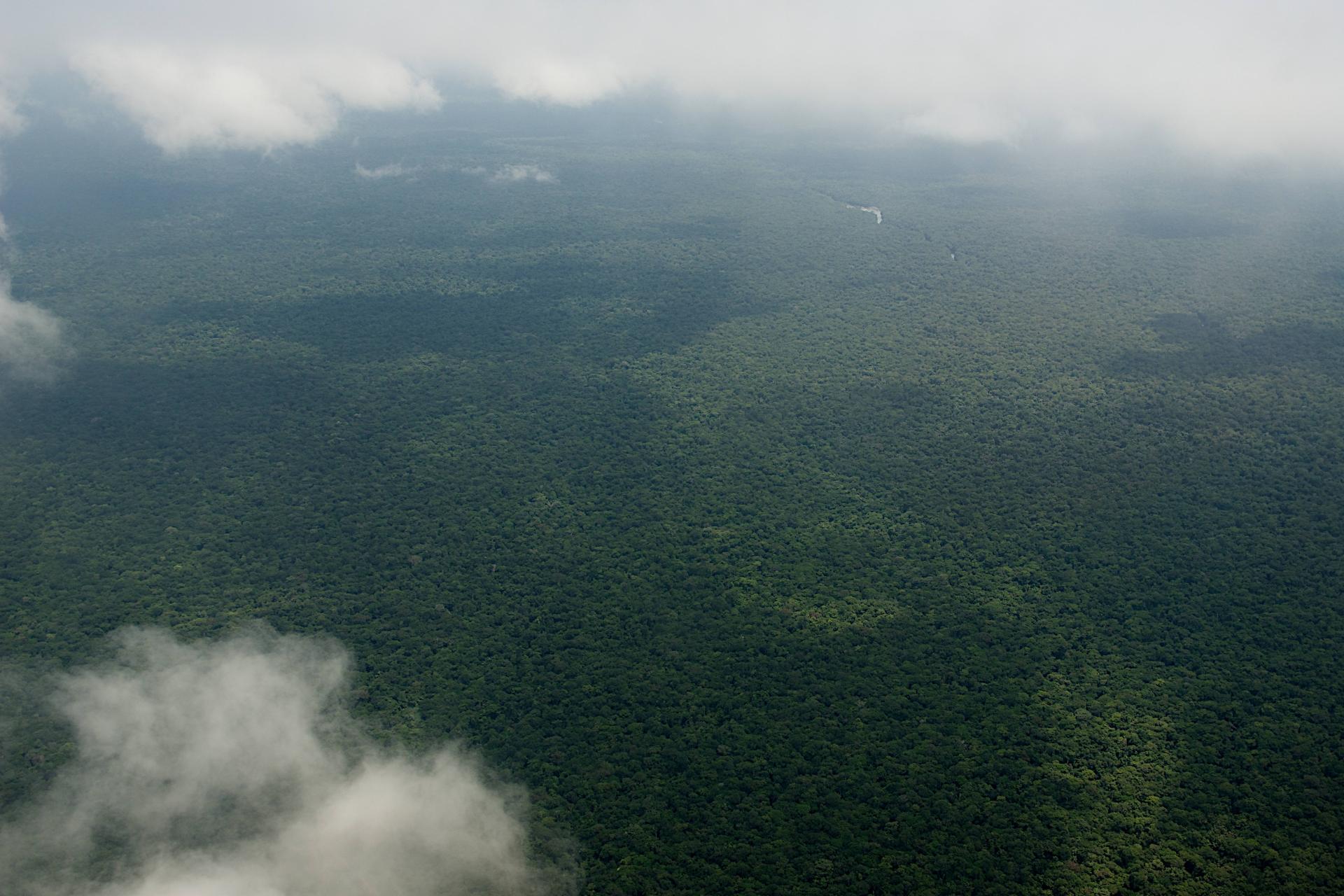
The Democratic Republic of Congo (DRC) contains more than half of the Congo Basin rainforest, making it an important country for forest conservation, biodiversity, and climate stability in Central Africa, and one of the most important globally. Its vast forest landscapes store exceptionally high carbon stocks, regulate regional and global climate systems, and support globally significant biodiversity, including endemic and threatened species such as bonobos, okapi, forest elephants, and great apes.
These ecosystems provide essential services that sustain millions of people, supporting livelihoods, food security, water regulation, and cultural values. At the same time, they face increasing pressures from rapid population growth, shifting agriculture, energy demand, and informal extractive activities.
Within the framework of the Congo Basin Landscapes Initiative (CBLI), the DRC is a cornerstone countryfor advancing integrated landscape management, strengthened forest governance, biodiversity protection, and community-based sustainable livelihoods, contributing directly to regional and global climate and biodiversity goals.
Sections
Topography
The Democratic Republic of Congo is characterized by exceptionally diverse and large-scale topography, reflecting its vast size and central position in Africa. Much of the country consists of extensive lowland tropical forests and the central Congo Basin, a broad sedimentary basin dominated by flat to gently undulating terrain. These lowland landscapes support some of the largest remaining tracts of intact tropical rainforest in the world.
Surrounding the central basin are uplands and plateaus, transitioning into highland and mountainous regions in the east, where the Albertine Rift forms part of the East African Rift System. This region includes steep escarpments, volcanic massifs, and high-altitude ecosystems, ranging from montane forests to alpine grasslands, and is recognized as one of Africa’s most important biodiversity hotspots. The strong altitudinal and ecological gradients across the DRC underpin its exceptional ecosystem diversity.
Water Systems
The Congo River Basin dominates the country’s hydrology, forming the world’s second-largest river system by discharge and one of the most extensive freshwater networks globally. The Congo River and its major tributaries—such as the Ubangi, Kasai, Sangha, and Lomami—drain the central basin and support vast wetlands, floodplains, and swamp forests, many of which align with Ramsar-designated wetland types.
These freshwater systems play a critical role in climate regulation, carbon storage, fisheries productivity, and inland transportation, while sustaining millions of people through water supply, agriculture, and fisheries. The basin also includes globally significant peatland complexes, which store large amounts of carbon and are highly sensitive to hydrological disturbance. Maintaining the ecological integrity of the DRC’s river and wetland systems is therefore central to integrated landscape and water resource management approaches promoted under CBLI.
Regional Position
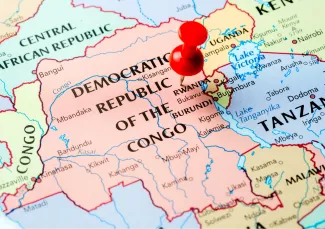
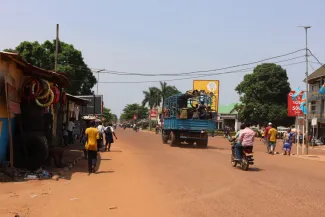
The Democratic Republic of the Congo faces persistent governance constraints, rapid demographic growth, and major infrastructure gaps, which continue to shape development outcomes. As the most populous country in the Congo Basin, the DRC combines substantial natural resource endowment with widespread poverty and a high dependence on natural ecosystems for subsistence and income.
Key Socioeconomic Indicators
- Population: ~105 million
- GDP (nominal): ~USD 66–70 billion
- GDP per capita: ~USD 600–650
The economy remains resource-dependent. Agriculture employs approximately 60% of the population, largely at subsistence level, while the mining sector—particularly cobalt and copper—dominates export revenues. The forestry sector provides livelihoods for millions, primarily through informal and small-scale activities. Limited access to modern energy, infrastructure, and markets reinforces reliance on forests for fuelwood, food, and income.
Rapid population growth (around 3% annually) and a predominantly young population are increasing pressure on land and natural resources, intensifying challenges related to food security, energy access, and rural development.
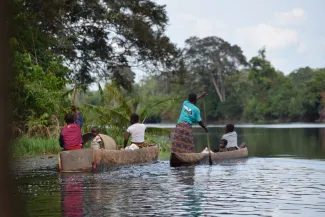
The Democratic Republic of the Congo hosts one of the richest concentrations of biodiversity in Africa, with more than 10,000 plant species, approximately 400 mammal species, and exceptionally diverse freshwater ecosystemsacross the Congo River Basin. Its forests and wetlands support globally significant populations of endemic and endangered species, including bonobos, okapi, mountain gorillas, forest elephants, and several great ape species, making the country a global priority for biodiversity conservation.
Beyond species diversity, the DRC’s forest landscapes play a critical role in global climate regulation, storing vast amounts of carbon in intact tropical forests and extensive peatland systems, some of the largest in the world. These ecosystems provide essential services such as water regulation, soil fertility, and climate buffering, while underpinning the livelihoods and cultural heritage of forest-dependent communities.
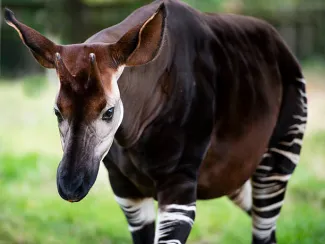
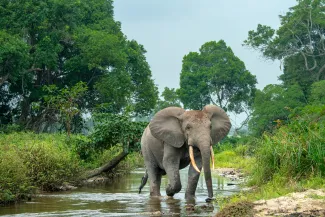
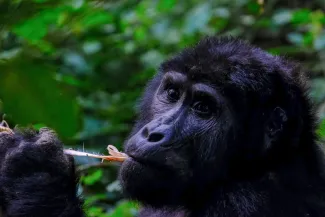
Despite their ecological value, the DRC’s forest and freshwater ecosystems face growing and interconnected threats.Shifting subsistence agriculture, combined with widespread reliance on fuelwood and charcoal, remains the primary driver of deforestation and forest degradation, particularly near population centers and transport corridors.
Illegal and informal mining and logging, often occurring outside regulated frameworks, contribute to habitat fragmentation, pollution of rivers, and biodiversity loss. In parts of the country, armed conflict and insecurity further undermine conservation efforts, limiting governance presence and access to key biodiversity areas. Poaching and wildlife trafficking, driven by local and international demand, continue to threaten vulnerable species, particularly large mammals.
Addressing these challenges requires integrated, landscape-scale approaches that strengthen governance, improve land-use planning, support sustainable livelihoods, and enhance protection of priority ecosystems—core objectives of CBLI engagement in the DRC.
| Community-based management of land and forests in the Grand Kivu and Lac Télé-Tumba landscapes in the Democratic Republic of Congo |
|
View project |
| Sustainable Management of the Mayombe, Oubangui and Maï Ndombe tropical forest Landscapes [...] |
|
View project |
Source : Country information synthesized from international reference sources, national data, scientific literature and CBLI project documentation.