03 October 2025

Digital innovation is opening new doors for Indigenous Peoples and local communities in the Congo Basin. From forest camps to market stalls, technology is transforming how people manage, protect, and benefit from their landscapes. At the Congo Basin Landscapes initiative, led by the United Nations Environment Programme (UNEP) and supported by the Global Environment Facility (GEF) and the International Climate Initiative (IKI), we see digital tools not just as gadgets, but as catalysts for inclusive conservation financing that reaches the people who steward the land.

A New Path for Community-Led Conservation

Image
Lac tele community
Members of the Lac. Tele Community. Photo Credits : Nicolon/WCS

Traditionally, conservation funding flowed through centralized channels, often distant from on-the-ground realities. Today, specially designed digital platforms help connect rural entrepreneurs with micro-credit, business-planning support, and sustainable markets. For communities that manage forests, rivers, and biodiversity, these platforms translate local knowledge into impactful data that funders can trust and act upon.

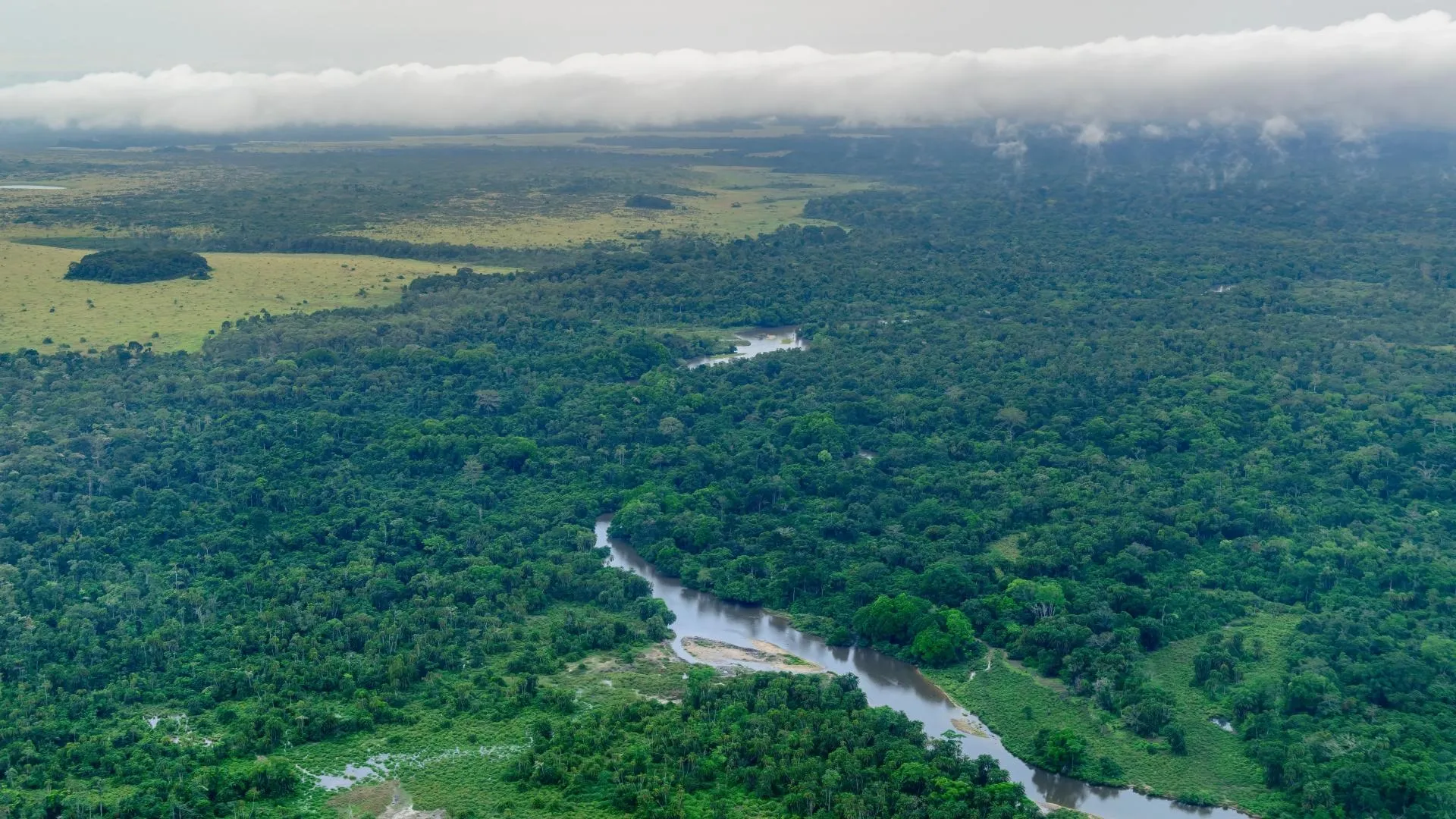
In the Republic of Congo's Lac Télé landscape, a community radio station is being developed as part of the knowledge management platform, designed to disseminate best practices in natural resource management. Content reflects daily realities, seasonal cycles, and traditional knowledge that have sustained peat swamp ecosystems for generations. (Learn more)

  • Access to micro-credit: Small loans and blended finance enable community-led initiatives, from reforestation and agroforestry to eco-tourism ventures. Flexible repayment terms and collateral-light models acknowledge local realities while reducing risk for lenders.  Although access is still limited, several initiatives are working to expand it, including UN Capital Development Fund (UNCDF) Pro-Congo initiative supporting the green economy in the Democratic Republic of Congo (DRC). Learn more

  • Business planning with local insight: Digital tools guide entrepreneurs through tailored business models that account for seasonality, risk, and ecological impact. This helps communities present bankable proposals that align with conservation goals. Learn more

  • Direct market links: By linking products such as non-timber forest products, sustainable timber, and ecotourism experiences to responsible buyers, communities can capture value locally and beyond, reinforcing sustainable livelihoods.

Data-Driven Support with Accessible Interfaces

Data is the backbone of transparent, trust-based funding. The Congo Basin Landscapes initiative collaborates with partners to co-create platforms that democratize information without overwhelming users.

  • Local relevance, global standards: Data collection emphasizes indicators that matter to communities and funders alike-forest integrity, biodiversity outcomes, carbon stewardship, and social well-being- while adhering to ethical data practices and Free, prior, and informed consent. 

  • User-centric design: Interfaces prioritize simplicity, local languages, offline capabilities, and training resources so that even remote users can engage effectively. This lowers barriers to entry and builds long-term confidence in financing processes. 

  • Transparency in financing flows: Dashboards and reporting tools provide clear visibility into how funds are allocated and disbursed, fostering accountability and encouraging continued participation from communities and investors.

Image
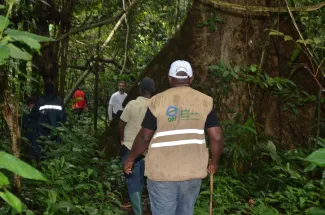
Villagers during FPIC

Partnerships that Scale Impact

Our work is grounded in strong, collaborative partnerships. Developed in alliance with institutions such as IUCN, UNDP, WCS and WWF, the digital ecosystem for the CBLI is built to amplify community agency and attract sustainable investment.

  • Co-creation with communities: Tools are tested and refined with Indigenous Peoples and local communities, ensuring relevance, cultural sensitivity, and practical usefulness in daily conservation activities. Learn more

  • Alignment with conservation objectives: Financing models incentivize habitat protection, climate resilience, and biodiversity restoration, while supporting livelihoods. This alignment helps ensure that funding translates into tangible conservation outcomes. Learn more.

  • Capacity building and knowledge exchange: Training programs, mentorship, and peer-learning networks help community members navigate financial products, governance, and data utilization. Learn more

Image
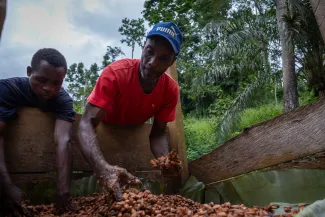
Planting of cassava
Community planting of Cassava. Photo Credits : Laurent Nsenga/WWF

Toward Sustainable, Inclusive Financing

Technology is not a silver bullet, but it is a powerful enabler for sustainable funding that truly reaches the frontlines.

  • Risk reduction through diversified funding: Micro-credit, blended finance, and pay-for-performance models distribute risk and stretch scarce resources further.

  • Resilience through locally led action: When communities control the process - define priorities, manage funds, and monitor outcomes - funding becomes durable and resilient to external shocks.

  • Climate-smart livelihoods: By integrating ecological indicators with income-generation activities, communities can pursue green growth that protects forests while improving well-being. Learn more

For the Congo Basin to unlock its full conservation and development potential, we invite collaborators, funders, and communities to:

  • Invest in user-centered digital platforms that prioritize accessibility, trust, and local relevance.

  • Co-create finance models that blend affordability with accountability, ensuring funds reach frontline stewards.

  • Expand data-sharing practices that respect rights, protect sensitive information, and enable evidence-based decision-making.

Together, we can accelerate a future where technology bridges gaps - not just across distances, but across opportunities. When Indigenous Peoples and local communities lead with data-informed vision, sustainable funding follows and conservation thrives at the heart of the Congo Basin.

Learn more about our Initiative and partners.