
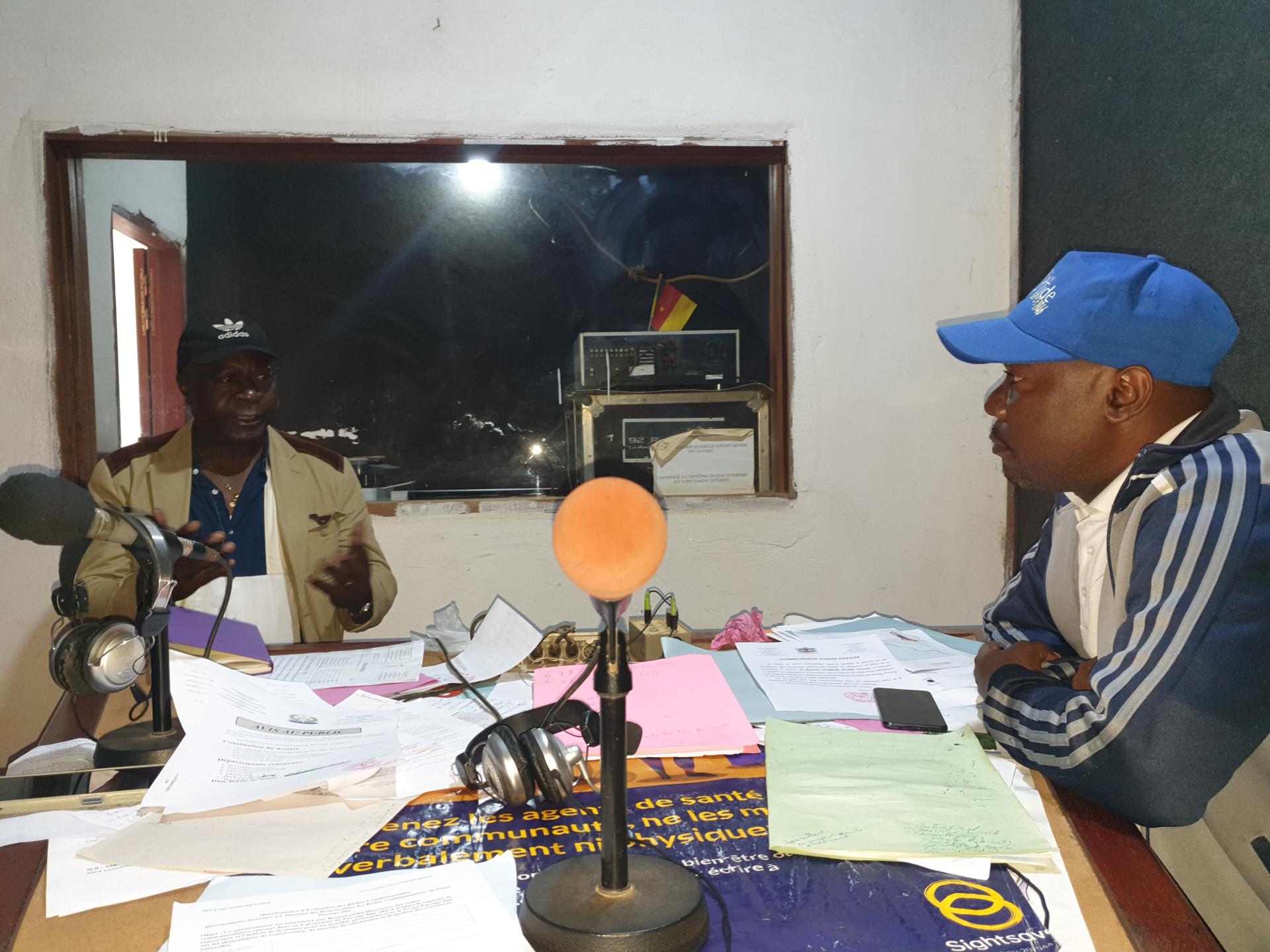
Across the communities surrounding the Dja Faunal Reserve, radio is already a trusted part of everyday life. Farmers listen while working, families gather around programmes in the evening, and communities receive information in the languages they understand and use every day including; Nzime, Maka'a, Fang, Bulu, Baka, French and English.
For the GEF-8 Dja Landscape Project, this existing communication network offers an important opportunity: rather than creating new channels for communicating with communities, the project can strengthen and use the community radio stations that are already reaching people on the ground.
Mapping the voices already reaching the Dja Landscape
Between 9 and 16 August 2026, the Dja Landscape Project conducted a mission across the Haut-Nyong, Dja-et-Lobo and Mvila divisions to identify and assess community radio stations operating in and around the Dja landscape.
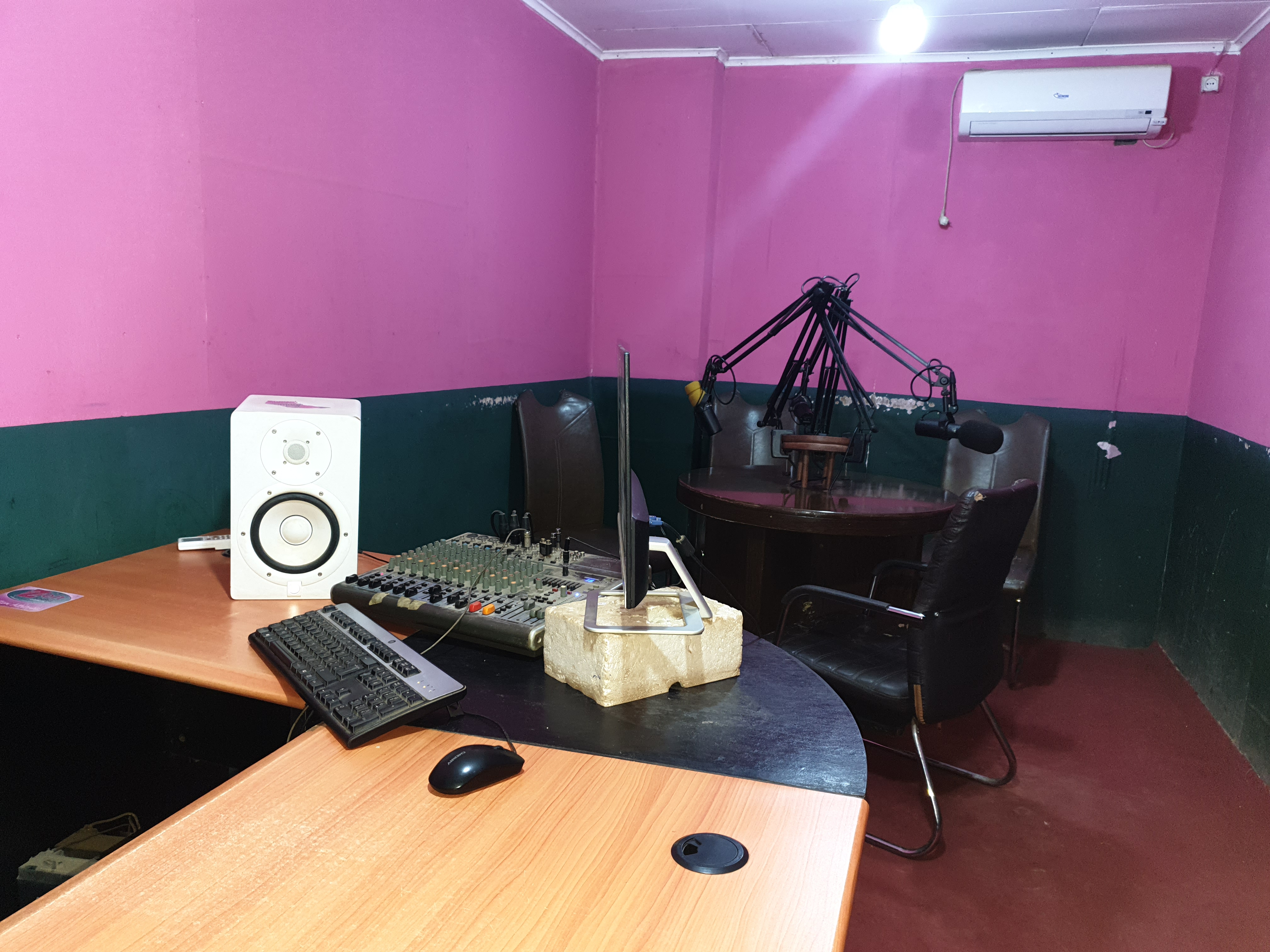
The mission covered more than 1,000 kilometers and visited six community radio stations:
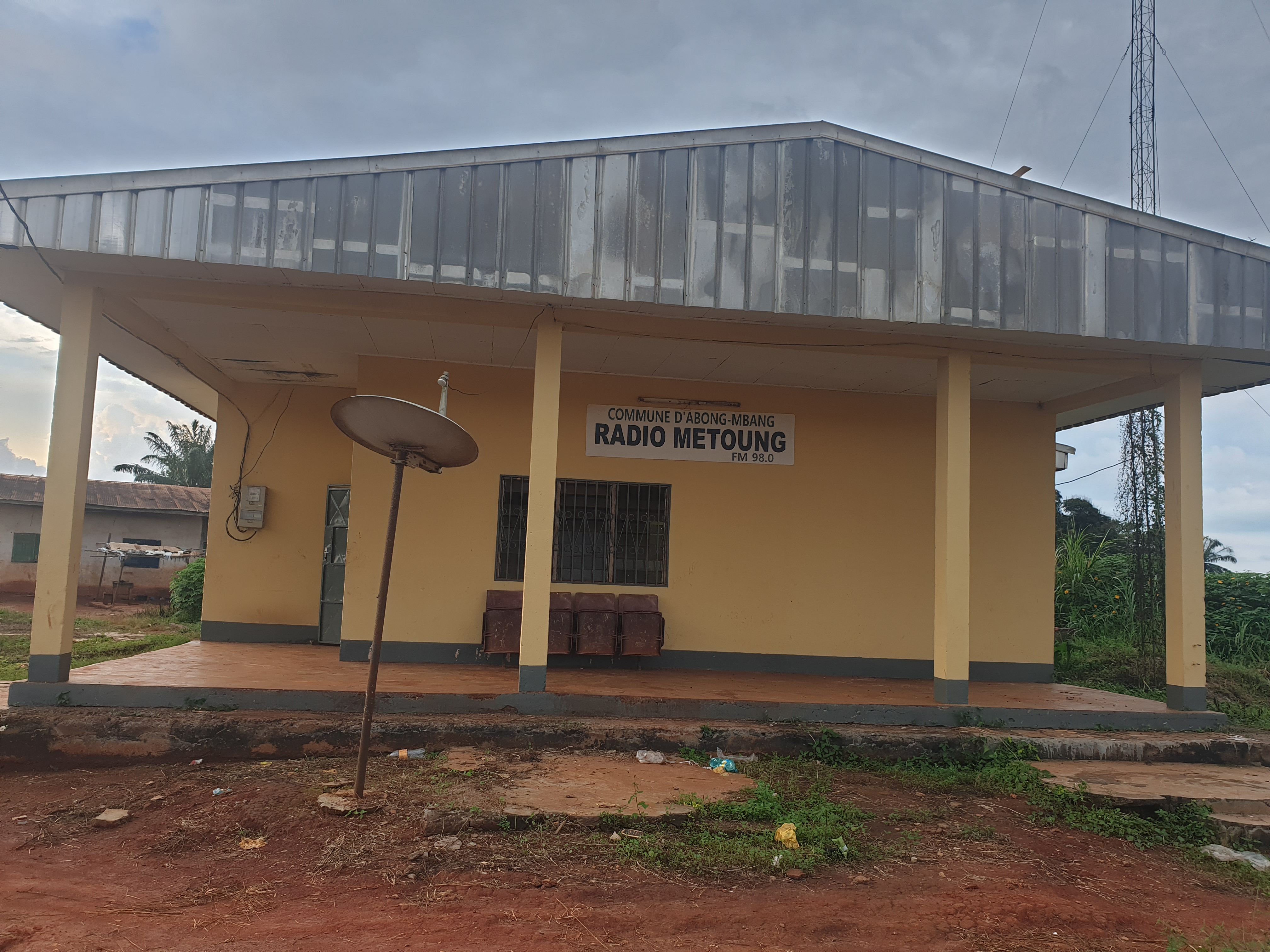
- Radio Communautaire Metoung in Abong-Mbang
- Radio CODEDEM Nkul-Melab in Lomié
- Radio Mintom in Mintom
- Akok-Afem Community Radio in Djoum
- Zen Radio in Sangmelima
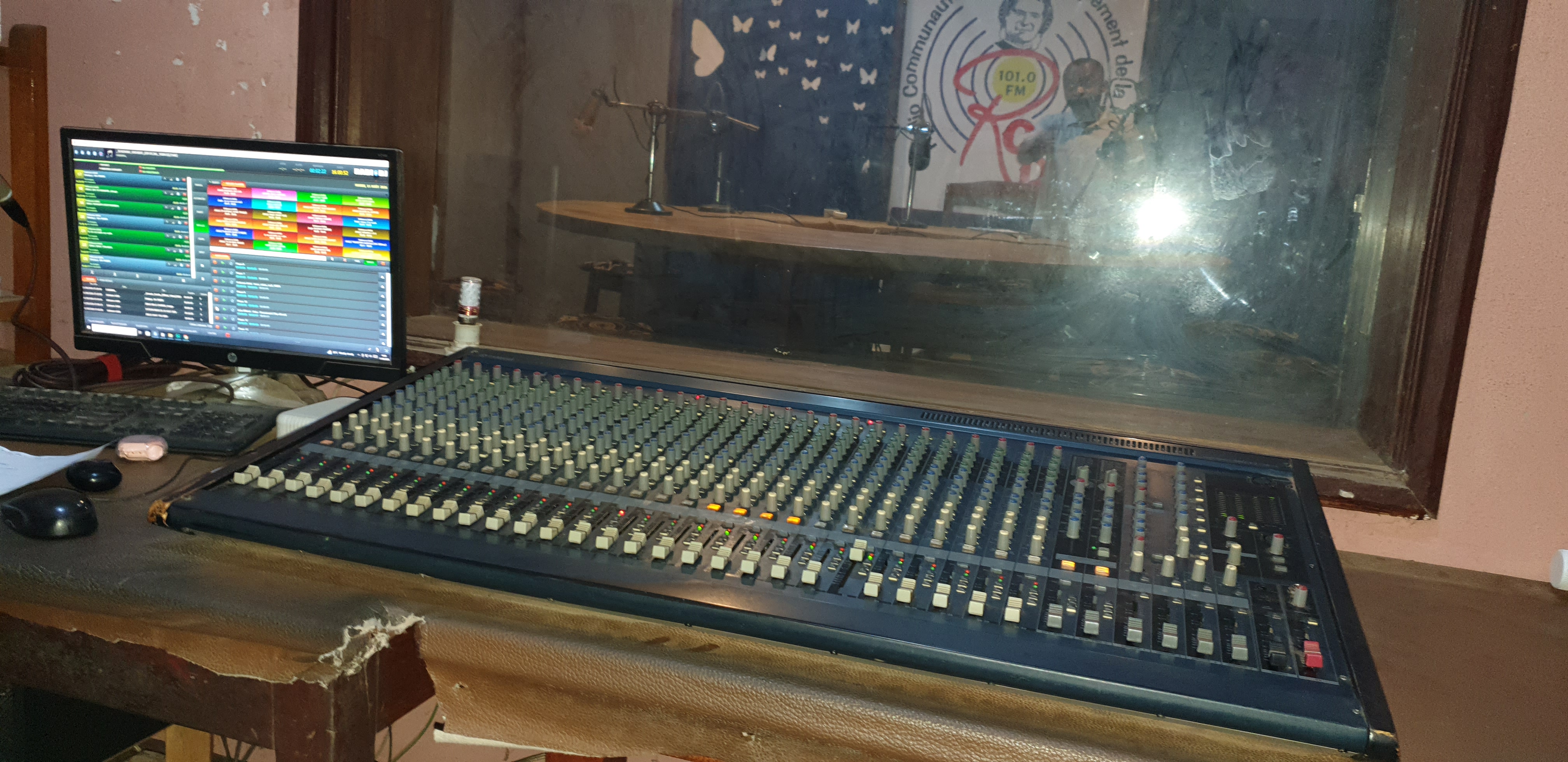
- Radio Communautaire de Développement de la Mvila (RCDM) in Ebolowa
Image
| Image
|
Image
| Image
|
Each station was assessed using a common protocol covering technical capacity, institutional arrangements, programming, studio facilities, gender and inclusion considerations, and testimony from community stakeholders.
The findings were clear: the Dja Landscape Project does not need to build a communication network from the ground up. The network already exists.
Together, the six stations provide a potentially powerful platform for reaching communities around the Dja Faunal Reserve Landscape. Their programming can provide a regular bridge between project information and the people who are directly affected by, participating in, and benefiting from landscape conservation and sustainable development activities.
From FPIC to continuous community information
The value of community radio goes beyond broadcasting project announcements.
After FPIC, communities need continued access to understandable and locally relevant information about what has been agreed, what the project is doing, what resources and opportunities are available, and how implementation is progressing.
Radio can help make this information public and accessible.
Regular programmes could explain project activities, conservation measures, community benefits, environmental and social safeguards, implementation progress and upcoming activities. Phone-in programmes could allow listeners to ask questions directly. Magazine programmes could document activities in the field and give community members an opportunity to share their experiences.
This creates a two-way communication model: the project informs communities, while communities also inform the project.
Such an approach can strengthen transparency and accountability by ensuring that information does not remain confined to project offices, meetings or written reports that may not be easily accessible to everyone.
Ensuring that Baka communities are part of the conversation
One of the most important findings from the mapping mission concerns Indigenous Baka communities.
Of the six stations assessed, only Radio CODEDEM Nkul-Melab and Radio Mintom currently broadcast in Baka. Together, these two stations provide particularly important coverage of the project's implementation communities and the forest interior.
Their role should therefore be central to the project's communication strategy.
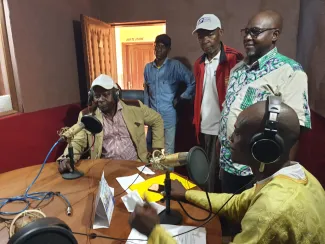
For Baka communities, receiving information in a language they understand is essential to meaningful participation. French-language communication alone cannot provide an adequate foundation for continued engagement, transparency or accountability.
The project should therefore consider dedicated Baka-language programming as a core component of its communication approach, rather than treating translation as an afterthought.
This means supporting original programmes developed with Baka presenters and contributors, creating space for Baka perspectives and ensuring that information about project activities reaches communities in appropriate and culturally relevant forms.
Most importantly, radio programming should not simply tell communities what the project is doing. It should provide opportunities for Indigenous people and other local residents to discuss their experiences, ask questions, express concerns and contribute their knowledge.
Six stations, different roles in one communication network
The assessment also provides a basis for developing a structured Dja Landscape Community Radio Network.
Based on institutional strength, proximity and community coverage, Radio Mintom, Radio CODEDEM Nkul-Melab, Zen Radio and Akok-Afem form the operational core of a potential network.
Metoung and RCDM Mvila, despite lower institutional scores, remain strategically relevant because each provides access to an implementation community that would otherwise have limited radio coverage.
The assessment also identified Somalomo as a locality not adequately reached by the mapped radio network. This gap is important because it demonstrates that radio, while powerful, cannot be the only communication mechanism. The project will need complementary approaches for communities outside reliable broadcast coverage.
The objective, therefore, should not be to create a one-size-fits-all system. Instead, each station can play a defined role within a broader communication architecture based on its reach, language capacity, technical strength and proximity to project communities.
Investing in capacity, not just airtime
The assessment found that the principal constraints facing the stations are remarkably similar.
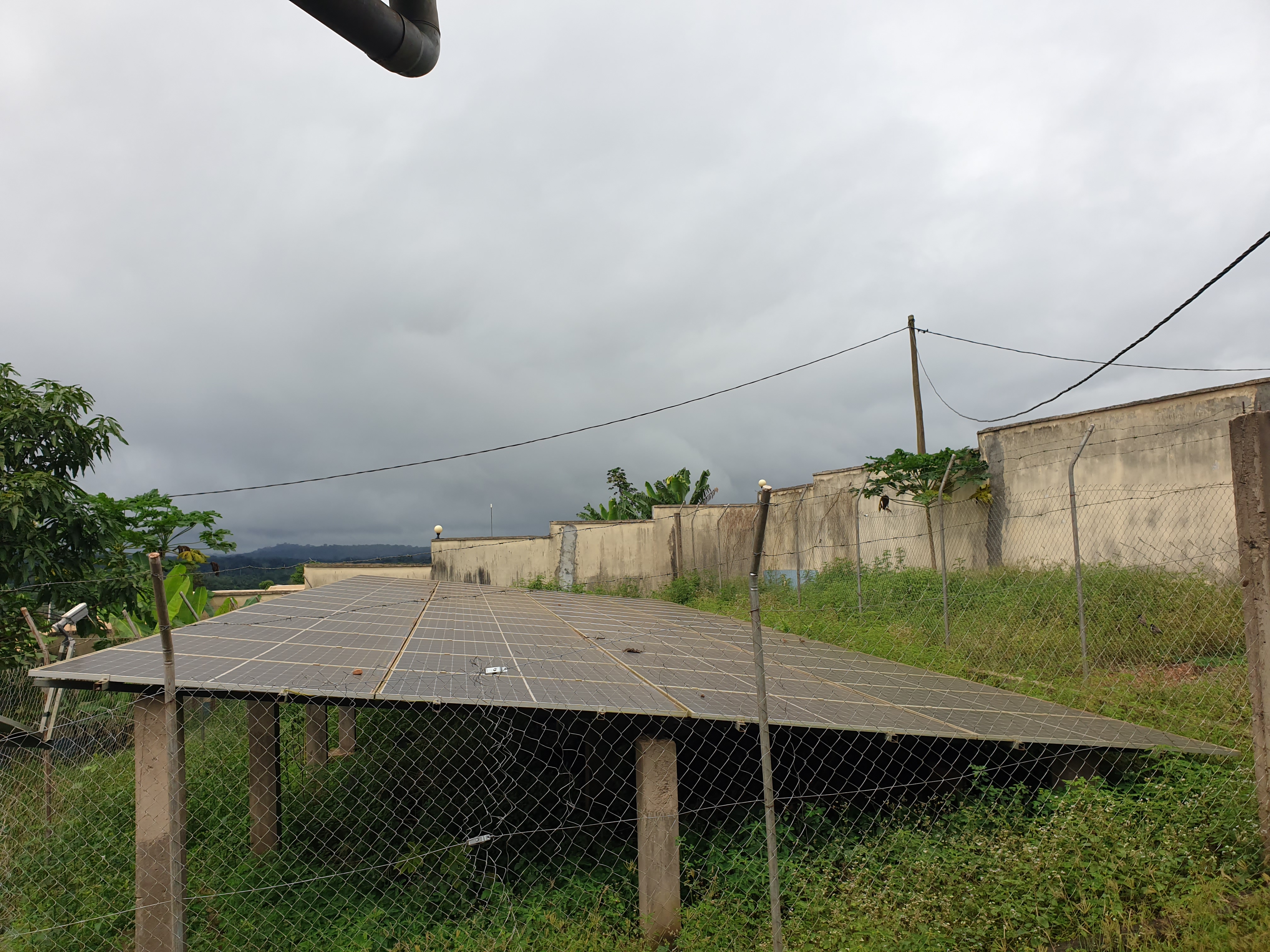
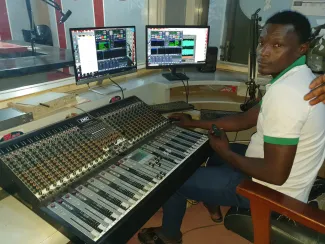
All six identified funding and transportation to field locations as major challenges. Five reported limited access to professional training, while four operate with ageing or insufficient equipment. Three stations have no internet connection and staff must rely on personal mobile data to carry out their work. Only Zen Radio reported reliable connectivity.
These constraints matter because effective community broadcasting requires more than purchasing airtime.
Journalists and presenters need the capacity to understand environmental and social issues, report accurately from remote communities, conduct inclusive interviews and communicate complex project information in accessible language. They also need reliable equipment and the means to travel into communities and document what is happening on the ground.
Investment in community radio should therefore include equipment, connectivity, mobility, training and locally produced content, alongside broadcast support.
Two cohorts of environmental journalism training, field recording equipment, improved connectivity and support for mobility could significantly strengthen the network's ability to provide reliable information throughout the project's implementation period.
Making project information accessible and verifiable
A strengthened community radio network can become an important transparency mechanism for the Dja Landscape Project.
For example, radio programmes could regularly communicate:
- What activities are planned and where they will take place.
- What communities can expect from the project.
- What benefits and opportunities are available and how people can participate.
- What commitments were made through the FPIC process.
- Progress made in implementing those commitments.
- Environmental and social safeguards and how communities can raise concerns.
- Results and lessons emerging from project activities.
- Contact points and mechanisms for community feedback and complaints.
This regular flow of information can help communities independently follow project implementation rather than relying solely on occasional meetings or intermediaries.
The result is greater visibility of project activities and, potentially, stronger public accountability.
Radio as a two-way bridge
The greatest value of community radio is not simply its ability to transmit information. It is its ability to create a two-way bridge between the project and the communities it serves.
Phone-in programmes, community interviews, magazine programmes, micro-programmes and short radio spots can all be designed to encourage participation.
A farmer can ask a question. A Baka community member can explain how a project activity is affecting their community. A local leader can clarify a concern. A project representative can respond publicly. A journalist can return to the field to verify what has been reported.
In this way, community radio becomes part of a broader feedback and accountability system.
A six-year investment with lasting value
Strengthening community radio should be viewed as a long-term investment rather than a short-term communications expense.
An initial investment in connectivity, field equipment, transportation and professional training can build capacity that continues to serve the project throughout its six-year implementation period. The infrastructure and skills developed in the first year can support repeated broadcasting, community reporting and feedback activities for years to come.
This matters because conservation and sustainable development are long-term processes. Behaviour change cannot be achieved through isolated campaigns. It requires consistent engagement, repeated information and messages delivered in languages and formats that communities understand and trust.
Keeping communities informed, heard and engaged
The mapping mission demonstrates that the Dja Landscape Project has a significant communications asset already operating around the landscape.
Six community radio stations are ready to contribute. Their combined reach, local presence and linguistic diversity provide an opportunity to build a communication system that goes beyond informing communities about project activities.
With the right investment, these stations can help ensure that FPIC commitments remain visible after the consultation process; project information reaches beneficiaries on the ground; Indigenous Baka communities can participate in their own languages; and communities have regular opportunities to question, respond to and monitor project implementation.
Community radio should therefore be seen not merely as a channel through which the Dja Landscape Project speaks, but as a platform through which communities can listen, respond, participate and hold the project accountable.
In the Dja Landscape, the infrastructure for that conversation already exists. The next step is to equip it, connect it and place local voices including Indigenous Baka voices at the center of the project's continuing journey toward transparency, participation and conservation.