
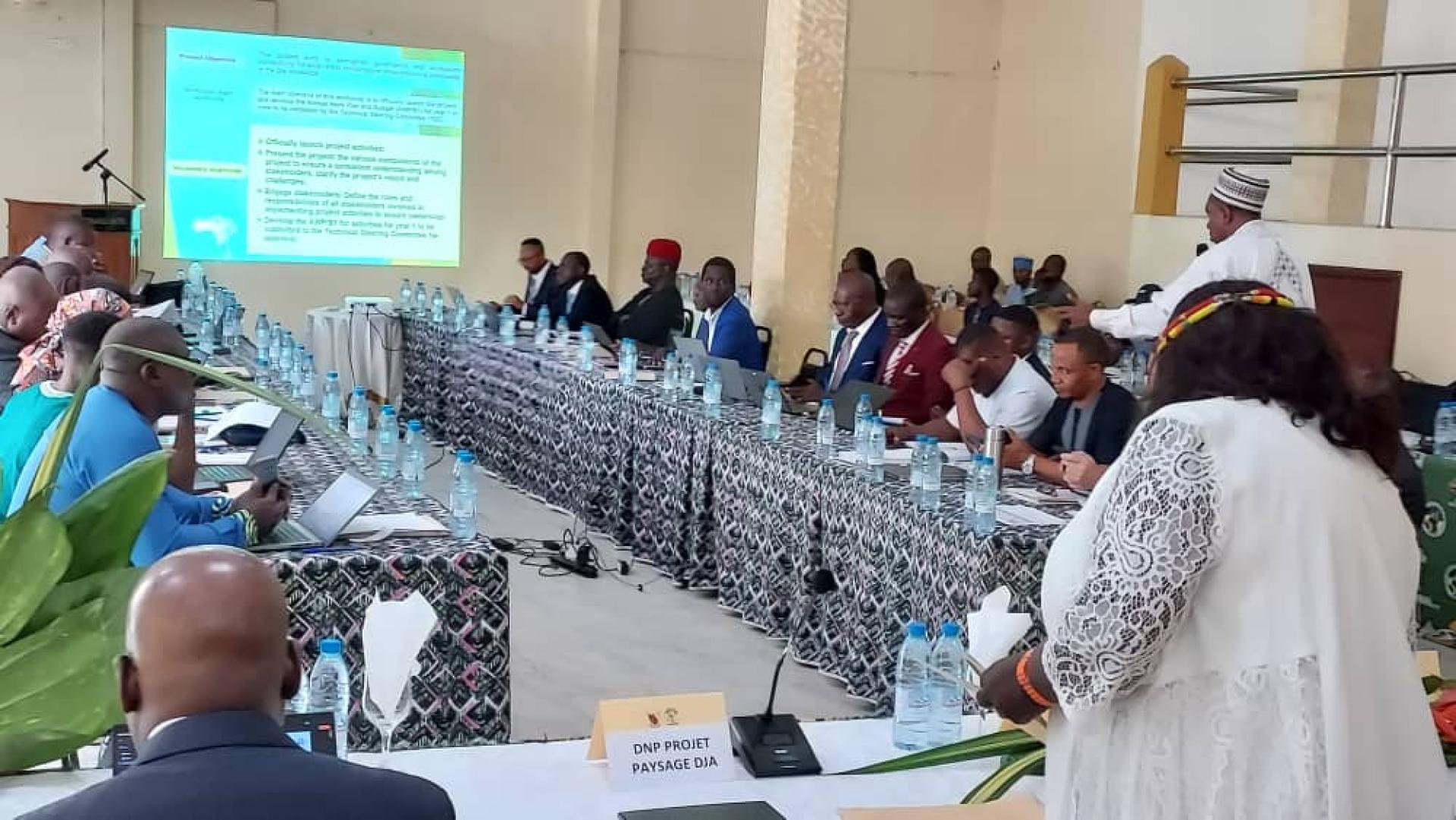
Bringing together governments, GEF agencies, and a wide range of technical and implementing partners under the shared objective of “Strengthening the sustainable management of one of the world’s most important forest region”, the Global Environment Facility (GEF) Congo Forest Integrated programme (Congo Forest IP,) spans diverse ecosystems and national contexts.
As implementation under the Congo Basin Landscapes Initiatives (CBLI) moves forward, early experiences from the Congo Forest IP are starting to unveil what it really takes to translate an ambitious project design into action across complex, multi-country landscapes. In practice, achieving our objective is proving to be a gradual and often complex process.
From integrated design to operational reality
At the design stage, the Integrated Programs (IP) set out to address interrelated challenges -biodiversity loss, climate pressure, and land degradation- through approaches coordinated at landscape-level. Early implementation quickly highlighted one key lesson: integration does not happen by default. It must be actively and carefully built and maintained.
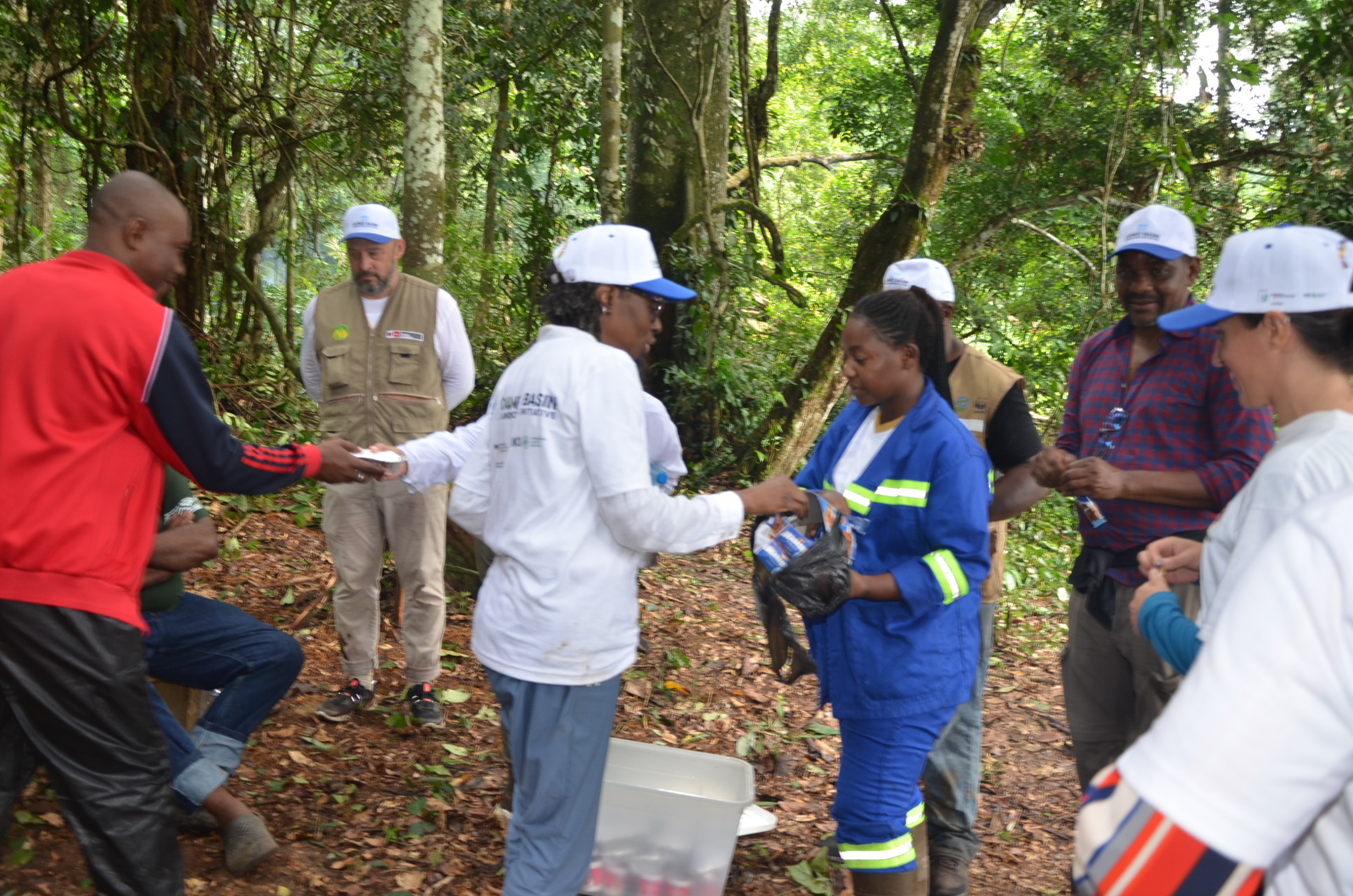
In practice, this has meant working across institutions, aligning timelines, and navigating different languages and governance systems to:
- Establish coordination mechanisms across sectors and institutions
- Align national priorities with regional objectives and,
- Create shared spaces for dialogue between technical actors and local stakeholders.
Across the region, progress is visible as these efforts are beginning to take shape through national coordination structures as well as landscape-level platforms that are slowly becoming operational.
Governance as a foundation for impact
Another important lesson is the central role of effective governance.
Efforts and emerging platforms in landscapes such as the Dja in Cameroon and the Equator in the Democratic Republic of Congo (DRC) demonstrate how strengthening institutional dispositions can make a tangible difference.
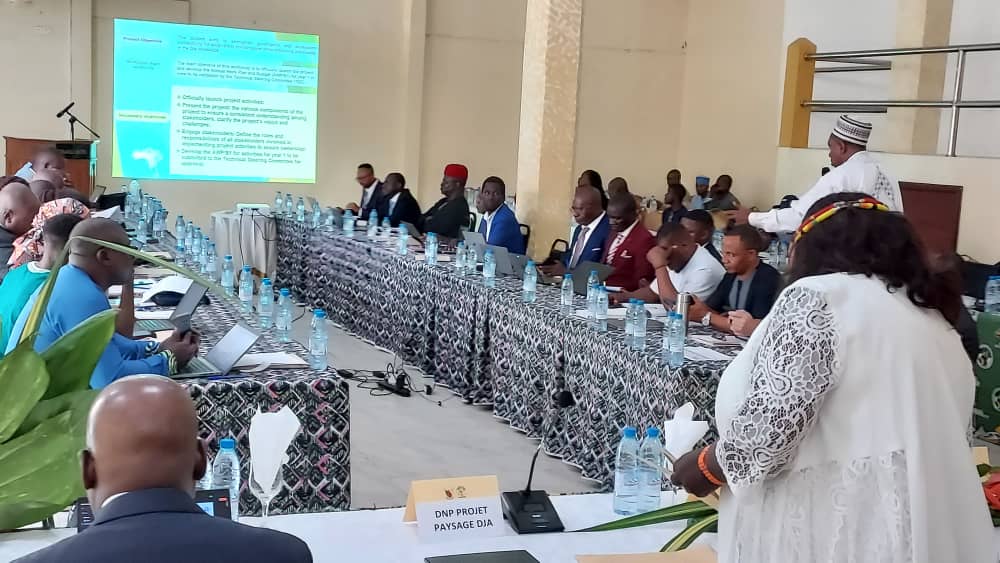
Such mechanisms contribute to:
- Breaking down sectoral silos
- Grounding planning processes in local realities
- Enabling more regular and meaningful community engagement
Whether through municipal committees or cross-sectoral platforms, they help bring greater coherence to decision making and emphasize that governance is not simply something to be ‘set up’ and left in place. It evolves and thus requires trust, adaptation, and continued investment.
Partnerships in Practice
The IP is by design, a partnership-driven program. Early implementation has taught us that the effectiveness of these partnerships depends on continuous coordination, clear roles, and shared ownership. Collaboration with National authorities, GEF agencies and other partners has been instrumental in:
- Facilitating technical implementation
- Supporting community engagement and,
- Ensuring alignment with national policies and priorities
Complementary insights under the IKI-Funded Congo Basin Peatlands project – also part of the broader CBLI framework- further reinforce these dynamics by supporting knowledge generation, coordination and peatland-specific actions that contribute to the broader CBLI integrated approach. All these collaborative efforts point out to the importance of maintaining flexible coordination approaches that can adapt to evolving contexts.
Connecting local action to systemic change
Much of the work under the IP is done at country level; field-level activities generate lessons that can inform national strategies and regional dialogues. Ensuring that these insights are captured and translated into decision-making processes remains a critical priority moving forward as the importance of linking local-level interventions to broader policy and planning processes proves paramount.
This “local to system” connection grounds the CBLI’s approach to enabling grounded solutions to contribute to wider sustainability across the Congo Basin region.
Looking ahead
Early lessons and results suggest that success will depend on strong coordination mechanisms across levels, deeper community engagement and ownership and technical approaches that are aligned with policy frameworks.
These insights feed into ongoing exchanges among partners and practitioners, including those related to the upcoming GEF Integrated programs Forum (Nairobi 13-17 April 2026) where experiences from across landscapes will be shared and reflected upon.
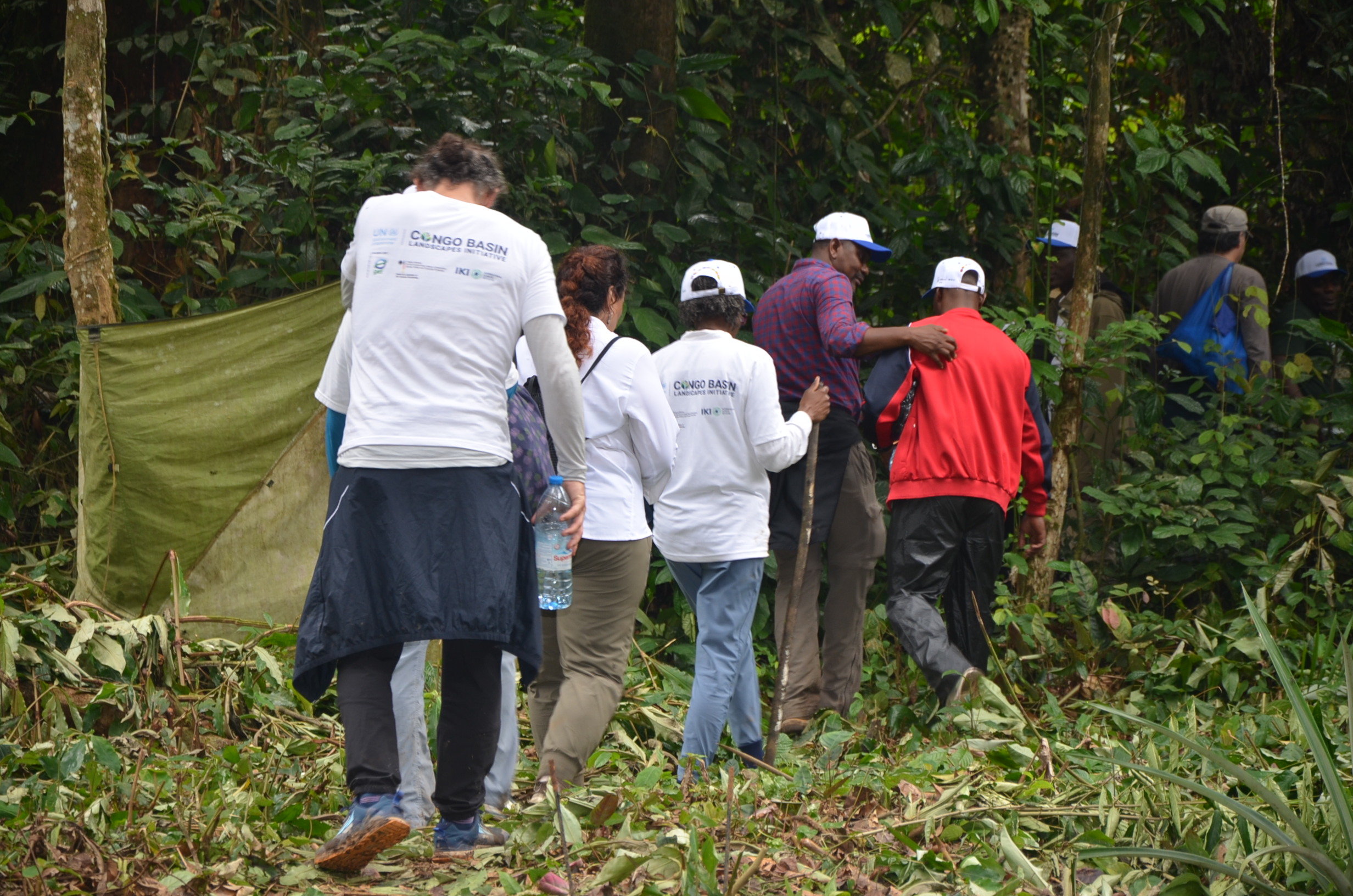
As implementation continues, our attention is gradually shifting toward consolidation, scaling, and impact. Across the Congo Basin region, the transition from design to delivery is still underway; the foundations for a more integrated, inclusive, and resilient landscape management are being laid.