
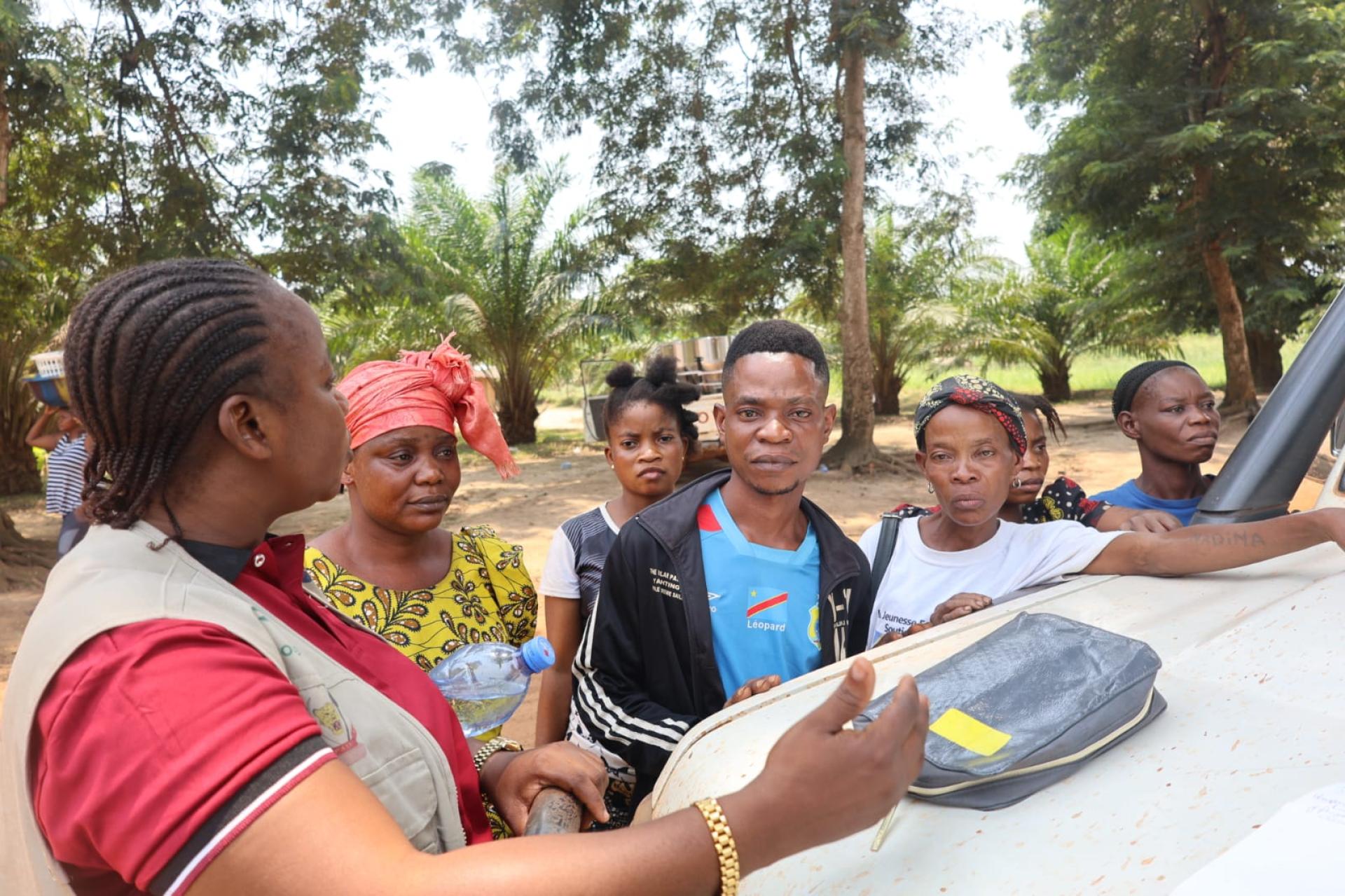
In the peatland landscapes of Bikoro, in the Democratic Republic of the Congo, a group of Indigenous women are quietly reshaping what sustainable livelihoods look like—building resilience for their families while contributing to the stewardship of one of the world’s most important ecosystems.
Working with locally with WWF, these women are strengthening agricultural practices adapted to peatland environments, while developing new opportunities that extend beyond the field.
From Cultivation to Value Creation
For Mpia Boika Nadine, Mpia Ipeko Lundi, Manda Selala Hortence, Meti Mwanya Annuarite, and Ebonga Ipeko Chimene, cassava (kuanga) and peanuts (ngumba) have long been central to daily life. Through training and support provided by WWF, with the support of the International Climate Institute (IKI) & the German Government, they are now improving how these crops are cultivated and processed, increasing both productivity and efficiency.
The development of a local value chain—from field to transformation—has been key. Improved cooking technologies have made cassava processing faster and more efficient, reducing labor while improving quality. Some women have also been able to diversify their activities, including setting up small livestock farms.
Jean Mputu Ipeko, an agronomist supporting the activities, works closely with the group to strengthen techniques and ensure that practices remain adapted to the specific conditions of peatland ecosystems.
“We Are Happy with This Project”
The impact of these changes is already tangible.
“To sepela mingi na projet oyo,” the women shared—“We are very happy with this project.”
Improved production has translated into increased and more stable income. For many, this has meant being able to cover school fees for their children, manage health-related expenses, and begin setting aside savings or contributing to community solidarity funds.
These changes, while modest, represent important steps toward greater financial autonomy and security.
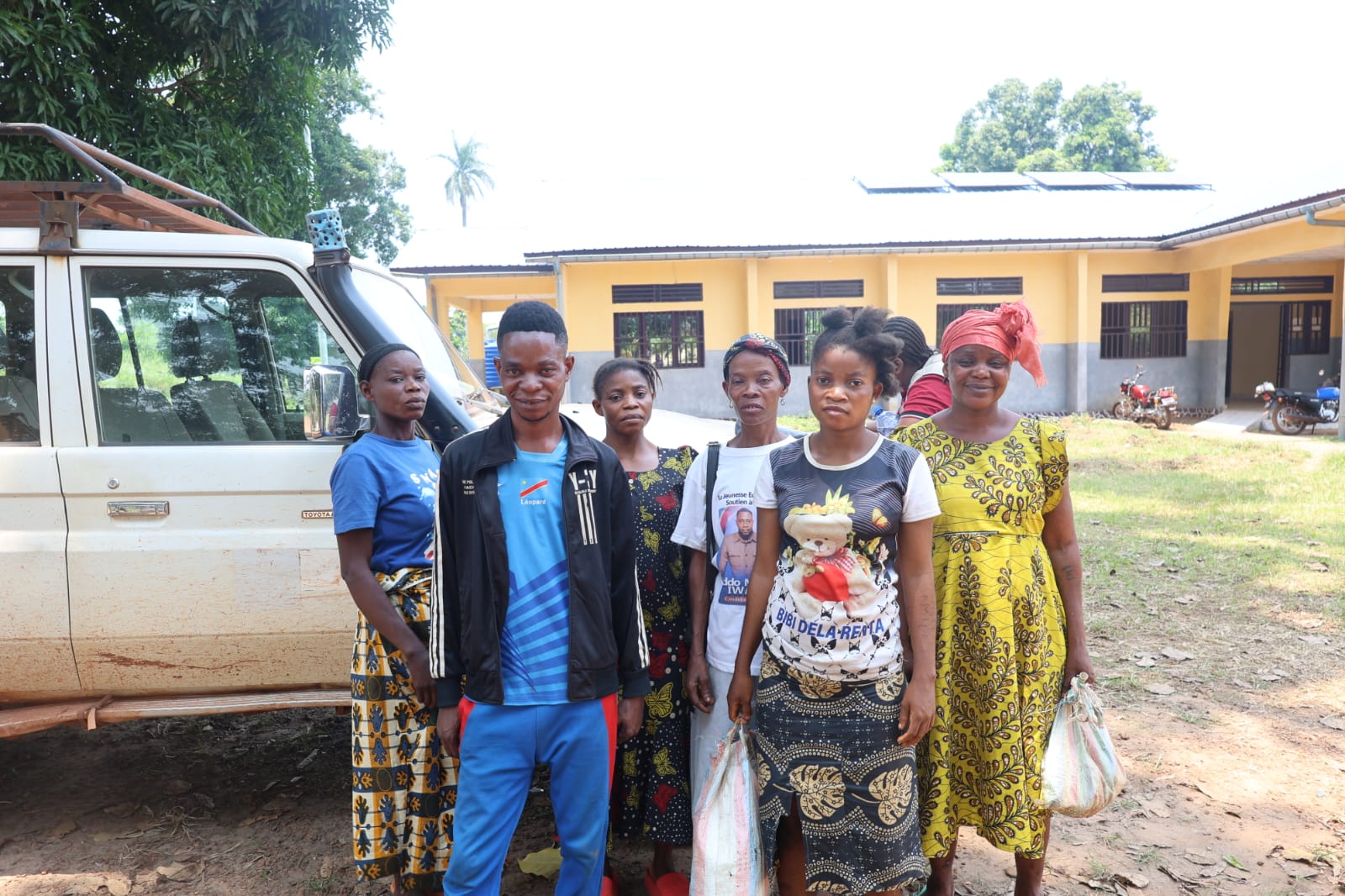
Women at the Heart of Sustainable Landscapes
Beyond economic benefits, the initiative highlights the central role of women in managing and sustaining peatland landscapes. Their knowledge, labor, and organization are essential to maintaining the balance between production and conservation.
By supporting locally adapted agricultural practices and strengthening value chains, the CBLI and its partners are helping to ensure that livelihoods and ecosystem protection reinforce one another—an approach that is key in peatland environments that store vast amounts of carbon and support biodiversity.
Challenges That Remain
Despite these positive developments, important challenges persist.
Access to land remains a key concern. Many of the women cultivate plots that they rent, leaving them vulnerable to sudden increases in costs—particularly when production improves. This uncertainty limits their ability to plan, invest, and expand their activities sustainably.
Securing more stable access to land was consistently identified as a priority, not only to protect their livelihoods, but also to strengthen long-term stewardship of the landscapes they depend on.
Another challenge raised was the limited involvement of men in agricultural activities. Some of the women noted that men often require payment to participate in field work, which can affect productivity. Despite this, the women continue to organize and carry forward their work with determination.
A Pathway Toward Inclusive and Resilient Landscapes
The experience in Bikoro reflects a broader lesson at the heart of the CBLI’s approach: sustainable landscapes are built through inclusive, locally grounded solutions that recognize the realities and aspirations of communities.
By combining technical support, community engagement, and partnership, initiatives like this are helping to create pathways where conservation and livelihoods advance together.
For these women, the progress is clear—but so is the path ahead. Strengthening land security, expanding opportunities, and continuing to support community-led initiatives will be essential to ensuring that these gains are sustained and scaled.
Their voices—and their work—underscore a simple but powerful truth: lasting conservation begins with people.