
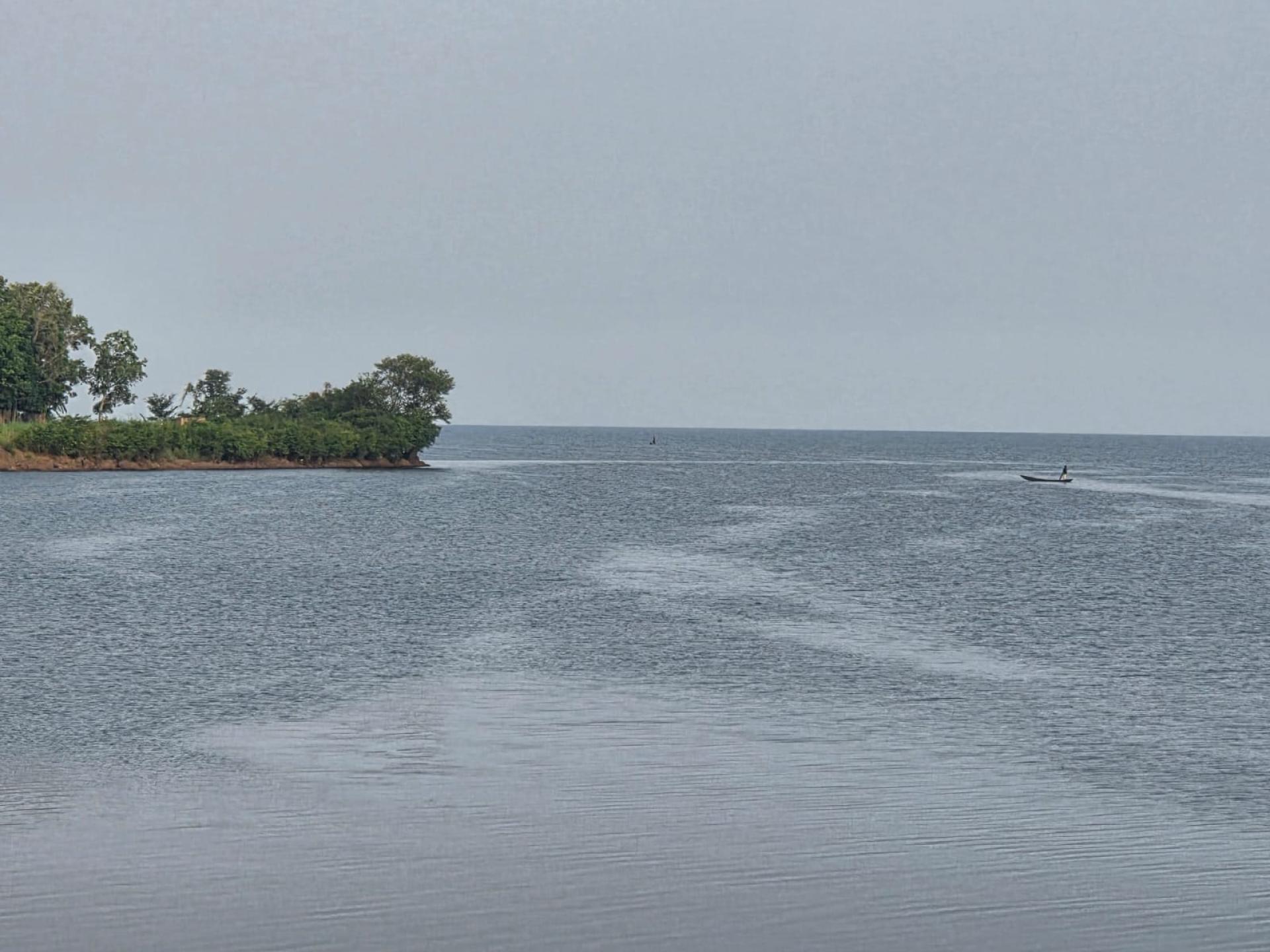
This project aims to promote sustainable, community-centered management of forested landscapes in the Grand Kivu and Lake Tele-Tumba regions. Its focus is on empowering local communities and indigenous peoples to manage forest resources sustainably, conserve biodiversity, and enhance livelihoods through integrated landscape management approaches. The project emphasizes participatory governance, ecosystem-based practices, and transboundary cooperation to ensure the long-term health of ecosystems and social well-being.
Co-financing Total
USD 76,532,813
GEF Project Grant
USD 13,761,468
GEF Agency Fees
USD 1,238,532
Sections
Objectives
- Strengthen community participation in forest and landscape management.
- Promote sustainable land use and resource management practices among local populations.
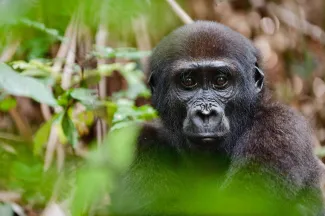
- Support biodiversity conservation within landscape mosaics, including protected areas and their surroundings.
- Enhance local livelihoods through sustainable use of forest resources and ecosystem services.
- Foster transboundary and multi-stakeholder collaboration for landscape-level governance.
- Build local capacity for sustainable resource management and conflict resolution.
Key components
- Community-Based Forest and Landscape Management
- Participatory Governance and Stakeholder Engagement
- Biodiversity Conservation and Ecosystem Management
- Sustainable Livelihoods and Value Addition
- Monitoring and Knowledge Sharing
Threats
- Deforestation driven by agriculture, logging, and charcoal production.
- Land degradation, soil erosion, and loss of biodiversity.
- Conflicts over forest resources and tenure rights.
- Unregulated resource extraction and illegal activities.
- Limited capacity of local communities and institutions for sustainable landscape management.
- Climate change inducing shifts in ecosystems and resource availability.
- Insufficient integration of conservation with community development objectives.
Interventions
- Establishing and supporting community forest management groups and cooperatives.
- Conducting participatory land use planning that incorporates community preferences and ecological priorities.
- Introducing sustainable harvesting techniques and agroforestry systems.
- Providing training on biodiversity conservation, resource governance, and conflict resolution.
- Developing alternative livelihoods to reduce pressure on forest resources.
- Facilitating dialogue and coordination among communities, government agencies, NGOs, and other stakeholders.
- Promoting awareness campaigns about sustainable practices and conservation benefits.
Outcomes
- Increased community ownership and active participation in forest and landscape management.
- Improved sustainable land use practices reducing deforestation and land degradation.
- Enhanced biodiversity conservation within managed landscapes.
- Diversification and increase of sustainable livelihoods among local populations.
- Strengthened governance frameworks supporting community rights and resource access.
- Improved resilience of ecosystems and communities to climate impacts.
- Knowledge sharing and replication of best practices among regions.
Activities
(in progress or Carried Out)
- Collected and integrated CFCL georeferenced data from North Kivu and related provinces into the MEDD database.
- Supported the establishment of by-laws for 21 communities to secure land and resource rights.
- Conducted PMU training on GEF procedures (July 2023) to ensure administrative compliance.
- Planned the setup of GIS databases and transboundary coordination committees (delayed as of June 2025).
- Engaged FAO and WWF for stakeholder consultations, with field activities pending deployment.
Areas of intervention
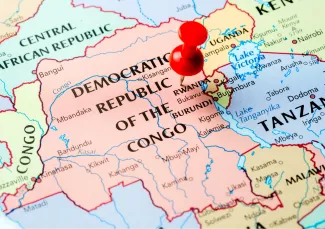
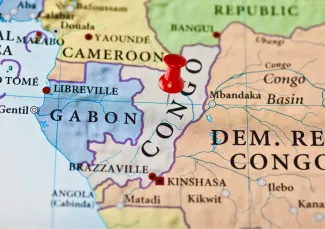
Governments of DRC and ROC | COMIFAC (Central African Forests Commission) | REPALEAC (Regional Network of Indigenous and Local Populations) | ECCAS (Economic Community of Central African States) | Civil society organizations (local communities, forest-dependent people) | Private sector actors (logging, mining, agriculture) | Conservation NGOs (e.g., WCS, WWF) | Multilateral agencies (UNDP, CAFI, FAO) | Research institutes (Congo Basin Institute, universities)

For geospatial data, please refer the IKI-funded geospatial section.
For statistical data, please refer the IKI-funded statistical section.