
– ICOBACPE /PELATEL
Focus area: Peatland conservation & ecotourism
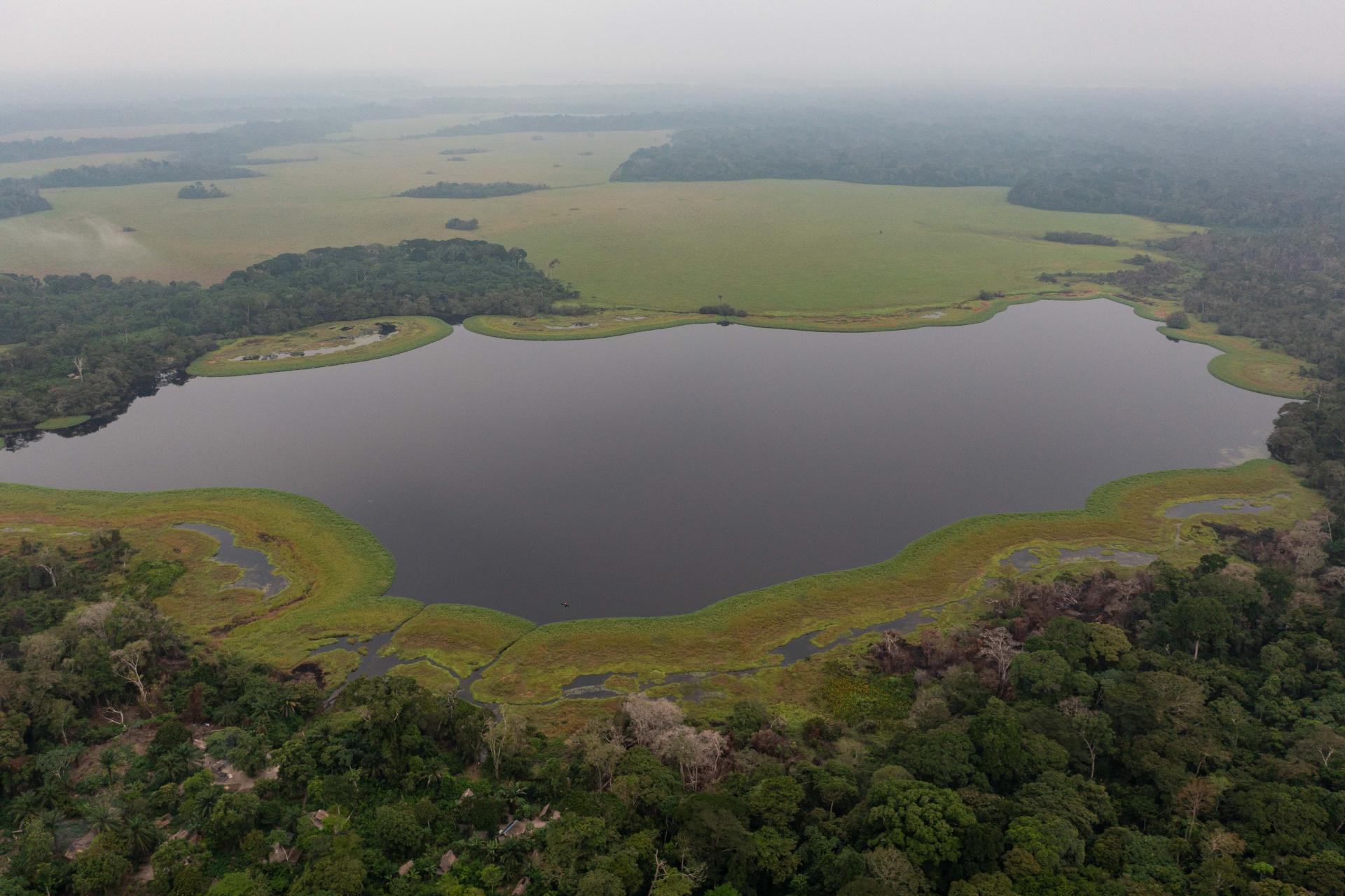
This project aims to promote the sustainable use and conservation of peatlands in the Lac Télé landscape through community-based approaches, integrating ecological protection with socio-economic development via ecotourism. The initiative seeks to empower local communities, safeguard vital peatland ecosystems, and develop ecotourism as a sustainable livelihood alternative, thereby contributing to regional conservation and climate change mitigation efforts.
Co-financing Total
USD 42,306,000
GEF Project Grant
USD 6,111,055
GEF Agency Fees
USD 549,995
Sections
Objectives
- To conserve and restore the peatlands ecosystem in the Lac Télé landscape through community engagement.
- To promote sustainable livelihoods by developing ecotourism activities that benefit local communities.
- To strengthen community capacity in natural resource management and sustainable tourism.
- To enhance awareness and knowledge about peatland ecosystems, their importance for biodiversity and climate regulation.
- To support institutional frameworks for the integrated management of peatlands and ecotourism promotion.
Key components
- Community-based Conservation and Management
- Ecotourism Development Design and implement ecotourism activities, infrastructure, and marketing strategies that provide economic incentives for conservation while benefiting local populations.
- Capacity Building and Training for community members, local authorities, and tourism service providers on sustainable tourism practices, ecosystem protection, and enterprise development.
- Ecosystem Monitoring and Climate Resilience Implement monitoring protocols for peatland health and carbon stock assessment to demonstrate climate benefits and ensure ecosystem resilience.
- Awareness and Education Campaigns Elevate awareness among local communities, visitors, and policymakers about the ecological and socio-economic significance of peatlands.
- Policy and Institutional Support Strengthen policies, regulations, and institutional arrangements for integrated peatland management and sustainable tourism development.
- Knowledge Sharing and Replication Document lessons learned, best practices, and success stories to inform regional and national replication strategies.
Threats
- Degradation of peatlands due to logging, agriculture, and unsustainable land use.
- Lack of awareness about peatlands' ecological and climate roles.
- Limited capacity of local communities for sustainable tourism and resource management.
- Potential conflict over land rights and benefit sharing.
- Climate change impacts, including increased frequency of floods or droughts affecting peatland health.
- Insufficient infrastructure support for sustainable ecotourism.
Interventions
- Conduct participatory landscape assessments and mapping to identify key peatland areas and community interests.
- Establish community conservation agreements that recognize customary rights and promote shared benefits.
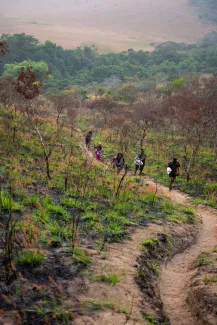
- Develop eco-tourism infrastructure (e.g., trails, visitor centers) in collaboration with local communities.
- Facilitate training workshops on eco-entrepreneurship, hospitality, environmental interpretation, and preservation.
- Support the organization of local community groups or associations to manage tourism activities.
- Implement ecological monitoring to evaluate ecosystem health, carbon sequestration, and climate mitigation effects.
- Launch awareness campaigns on peatlands' importance, sustainable practices, and climate benefits.
- Facilitate policy dialogues involving local authorities, customary leaders, and stakeholders to institutionalize community-based conservation
Outcomes
- Improved conservation status of peatlands, with decreased degradation and increased ecosystem resilience.
- Enhanced capacity of local communities to manage natural resources sustainably.
- Diversified incomestreams through sustainable ecotourism activities, reducing dependency on destructive land uses.
- Increased awareness and knowledge about peatland ecosystems and climate change mitigation.
- Established community-led management structures recognized\ by local authorities.
- Development of replicable models for community-based peatland conservation and ecotourism in the region.
- Strengthening of regional and national policies supporting community-driven conservation actions.
Expected impact
- Preservation of vital peatlands, contributing to biodiversity conservation and climate change mitigation.
- Socio-economic empowerment of local communities, particularly marginalized groups
- Increased regional capacity in sustainable ecotourism and ecosystem management.
- Long-term ecological resilience and climate benefits.
- Enhanced regional knowledge exchange and model dissemination for integrated peatland and ecotourism management
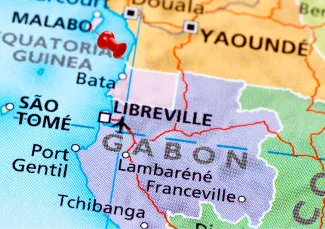
Area of intervention
Governments of Republic of Congo (Ministries of Environment, Forest Economy, Agriculture, Internal Affairs, Justice, Scientific Research, Finance) | Global Environment Facility (GEF) Agencies including UNEP, UNDP | NGOs such as Wildlife Conservation Society (WCS), World Wide Fund for Nature (WWF), World Resources Institute (WRI) | Private sector partners (e.g., CIB-OLAM, IFO) | Regional organizations (ECCAS, COMIFAC)
NGOs: Wildlife Conservation Society (WCS), World Wildlife Fund (WWF), Conservation Justice | Regional bodies: COMIFAC, ECCAS, CEFDHAC, REPALEAC | Private sector partners (e.g., CIB-OLAM, IFO) | | Global Peatlands Initiative| German International Climate Initiative (IKI)





<Geospatial placeholder>
<Statistical placeholder>
Todo...