
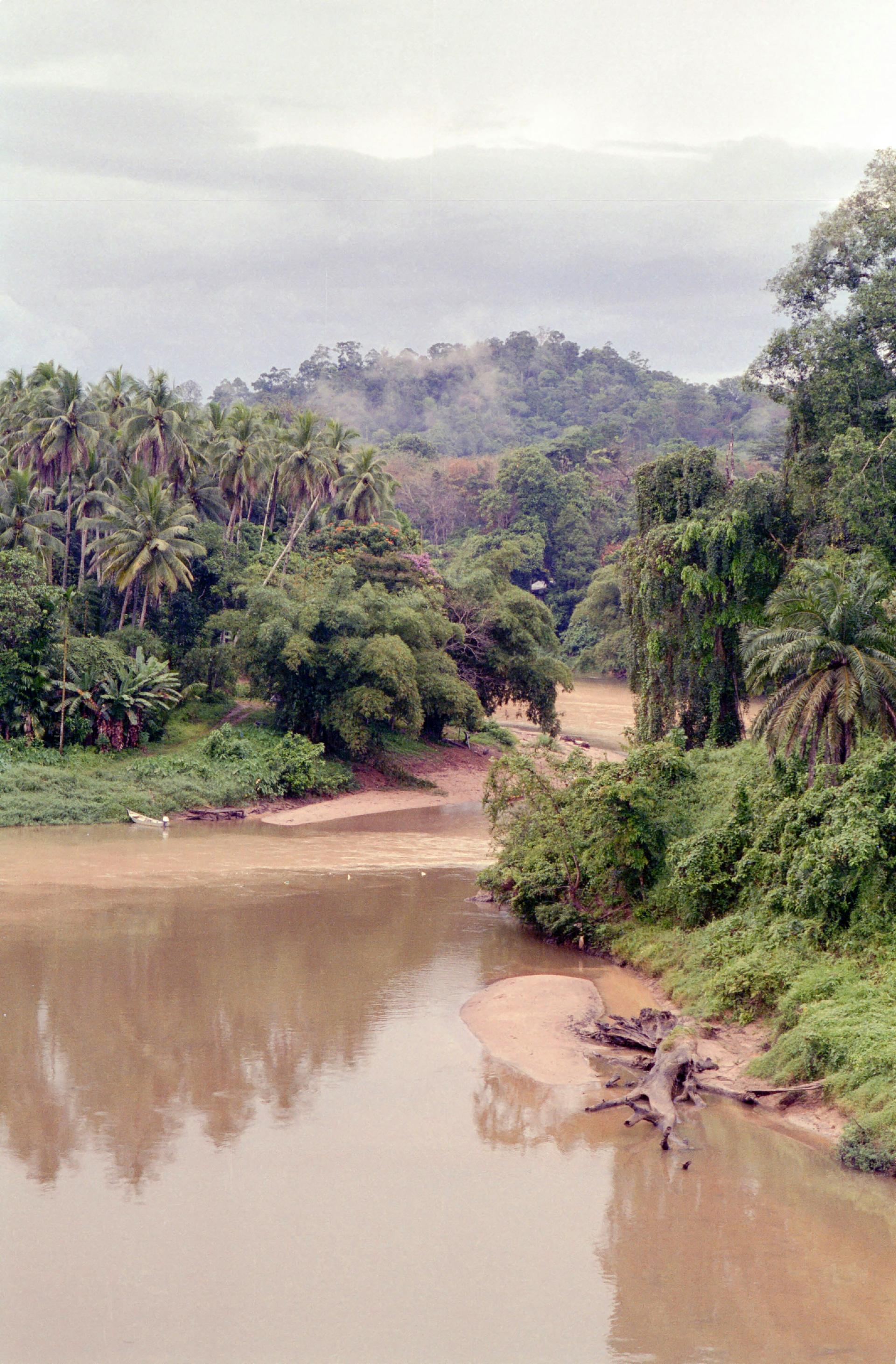
Integrated Community-based Management of High-Value Forest Ecosystems
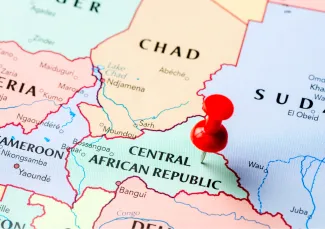
The "Forests and Biodiversity Conservation Program in the Central African Republic (CAR) – Integrated Community-based Management of High-Value Forest Ecosystems" aims to conserve biodiversity and ensure sustainable use of critical forest landscapes through community-driven management strategies. This project emphasizes empowering local communities and indigenous peoples to actively participate in forest stewardship, promoting their livelihoods while protecting vital ecosystems of national and regional importance.
Co-financing Total
USD 65,407,380
GEF Project Grant
USD 8,176,147
GEF Agency Fees
USD 735,853
Image
Sections
Objectives
- To conserve high-value forest ecosystems rich in biodiversity, including flagship species such as forest elephants, gorillas, and endemic plants.
- To strengthen community-based natural resource management (CBNRM) approaches that integrate conservation with sustainable livelihoods.
- To enhance governance frameworks, policies, and enforcement mechanisms for forest protection.
- To establish or reinforce protected areas, ecological corridors, and landscape connectivity.
- To promote sustainable use practices that benefit local communities, reducing dependence on destructive activities.
- To foster regional cooperation and cross-border initiatives for integrated landscape management.
Key components
- Strengthening legal, institutional, and regulatory frameworks supporting community-based forest management.
- Capacity building of local communities, Indigenous Peoples, and authorities in sustainable forest management, monitoring, and enforcement.
- Establishing or expanding community-managed forests, buffer zones, and ecological corridors within high-value ecosystems.
- Developing sustainable economic alternatives, including eco-tourism, agroforestry, and non-timber forest product (NTFP) commercialization.
- Supporting participatory planning processes, stakeholder engagement, and awareness-raising activities.
- Designing and piloting innovative financial mechanisms such as Payment for Ecosystem Services (PES) and private sector partnerships.
- Enhancing regional collaboration with neighboring countries to promote ecosystem connectivity and transboundary conservation efforts.
Threats
- Deforestation fueled by illegal logging, agricultural expansion, and charcoal production.
- Habitat fragmentation and encroachment affecting wildlife corridors and biodiversity corridors.
- Weak enforcement of protection regulations and land tenure ambiguities.
- Unsustainable resource extraction practices by local communities and commercial actors.
- Poverty and lack of sustainable livelihoods leading to dependence on destructive activities.
Interventions
- Establishing community and indigenous-led protected areas and management zones within high-value forests.
- Building capacity for effective community-led forest management, law enforcement, and biodiversity monitoring.
- Promoting sustainable livelihood activities aligned with conservation goals, such as agroforestry, eco-tourism, and sustainable harvesting of NTFPs.
- Formulating and implementing participatory forest management plans that integrate local knowledge.
- Supporting regional transboundary initiatives under frameworks like COMIFAC to enhance landscape connectivity.
- Facilitating stakeholder dialogue, community outreach, and environmental education programs.
- Developing innovative financing models to sustain conservation efforts, including PES schemes and private sector engagement.
Outcomes
- Increased community ownership and effective management of high-value forest ecosystems.
- Expansion and improved connectivity of protected and community-managed forests, ensuring landscape resilience.
- Enhanced knowledge and capacity among local communities, government agencies, and stakeholders.
- Diversified and sustainable livelihoods, reducing pressure on natural resources.
- Stronger regional and transboundary cooperation for ecosystem conservation.
Expected impact
- Reduction of illegal logging and habitat destruction in high-priority forest areas.
- Preservation of biodiversity and ecosystem services essential for climate regulation and local well-being.
- Improved economic and social conditions for Indigenous Peoples and local communities.
- Demonstration of scalable community-based conservation models that balance conservation with development.
- Contribution to national and regional biodiversity and climate goals.
Area of Intervention
Image
- Government of CAR, including environment, forestry, and local authorities.
- Regional bodies such as the Central African Forest Commission (COMIFAC).
- Indigenous Peoples and local communities actively managing forest lands.
- Civil society organizations, NGOs, and community-based organizations.
- International conservation agencies, research institutions, and donors supporting biodiversity and sustainable livelihoods.
Todo...