
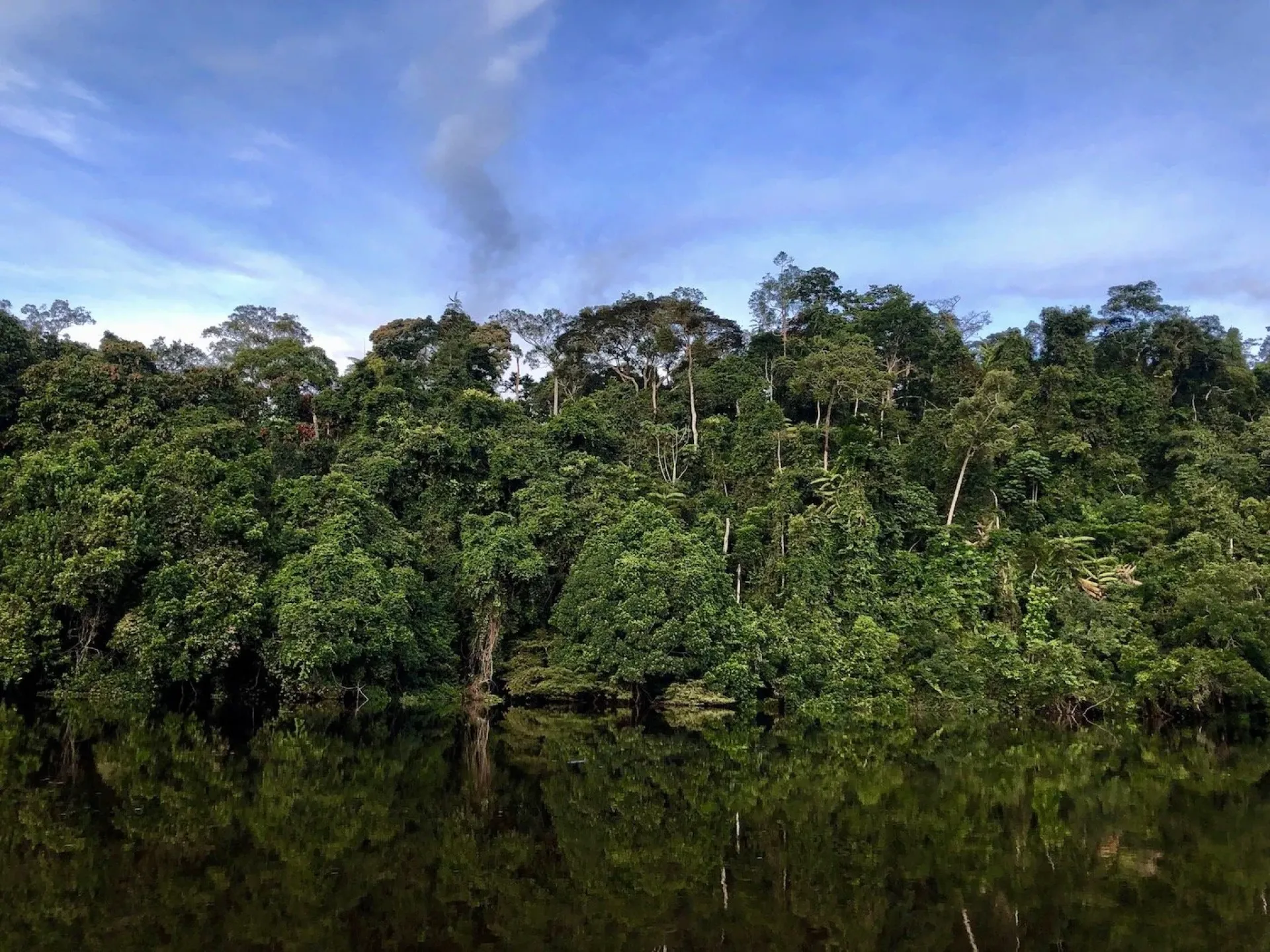
GEF-8 Dja Landscape Project - Mintom and Djoum Municipality, Cameroon _ February 2026
Institutional strengthening under the GEF-8 Dja Landscape Project has reached a decisive milestone in Mintom Council with the formal creation of an Ad Hoc Committee mandated to operationalize the Municipal Landscape Management Commission (MLMC). The Commission is envisioned as a permanent multi-stakeholder body to coordinate inclusive land and natural resource governance across the municipality.
On 17 February 2026, the Mayor of Mintom, Mrs. Bekono née Akélé Endamane Libol, signed Municipal Decision No. 001/2026/DM/C-MTM/SG establishing the Committee. The decision marks a historic step toward consolidating decentralized landscape governance within the ecologically significant Dja Landscape of southern Cameroon. It directly advances Activity 2 of the project facilitation of the MLMC institutional design and follows the successful Municipal Stakeholders Forum convened by implementing partner ECO-Ph.
“The creation of this Ad Hoc Committee demonstrates Mintom Council’s commitment to transparent and inclusive land governance,” Mayor Bekono stated. “We are laying the foundation for a permanent structure that will guide sustainable land-use decisions and ensure that all stakeholders including Indigenous communities and women have a voice in shaping our development trajectory.”
Operationalizing a New Governance Architecture
The Ad Hoc Committee carries a clear and time-bound mandate: to establish the institutional and regulatory framework for a fully functional MLMC, grounded in community-produced land-use plans. Its responsibilities include consolidating municipal consensus on land governance priorities; reviewing and validating the draft MLMC Framework and Internal Regulations; embedding environmental and social safeguards; and preparing the formal inauguration of the Commission.
Once constituted, the MLMC will serve as a permanent platform for structured dialogue, conflict prevention, and coordinated landscape-scale decision-making. It will align local development priorities with biodiversity conservation, climate resilience, and the protection of forest-dependent communities’ rights.
The Mintom consultative process convened 38 stakeholders reflecting the municipality’s social diversity: municipal authorities, traditional leaders, women’s groups, youth associations, Indigenous Baka representatives, farmer organizations, and civil society actors. The inclusive format strengthened legitimacy and trust.
An ECO-Ph representative described the development as transformative: “This milestone moves the Dja Landscape Project from dialogue to durable institutional architecture. By consolidating consensus and embedding safeguards within municipal systems, Mintom is contributing to a governance model that can be replicated across other councils in the landscape.”
Community-Led Planning in Djoum
While Mintom formalized institutional reforms, parallel field activities strengthened the project’s grassroots foundation in neighboring Djoum Municipality. Between 26 and 31 January 2026, ECO-Ph teams deployed to Ottong Mbong and Douze villages to conduct participatory land-use planning exercises that now inform the MLMC framework.
Using Participatory Rural Appraisal (PRA) tools including community mapping, structured discussions, and consensus-building sessions, facilitators worked under Free, Prior and Informed Consent (FPIC) principles to ensure meaningful engagement of women, youth, elders, and Indigenous Baka communities.
Within six days, communities delivered tangible outcomes: draft village land-use plans balancing agricultural zones, conservation areas, community forestry spaces, and ecological buffer zones; locally owned restoration priorities with degraded farms, forest edges, and riverbanks mapped for rehabilitation; and village-level governance structures, including multi-stakeholder ad hoc committees to guide next steps.
The next implementation phase will focus on validating and formally endorsing village land-use plans at both community and municipal levels; institutionalizing MLMCs through official municipal adoption; and launching restoration and livelihood interventions at identified priority sites.
The Mintom decision signals more than administrative reform. It demonstrates how decentralized governance, when anchored in inclusive dialogue and field-based planning, can translate environmental ambition into durable institutions while safeguarding biodiversity and strengthening community resilience.