
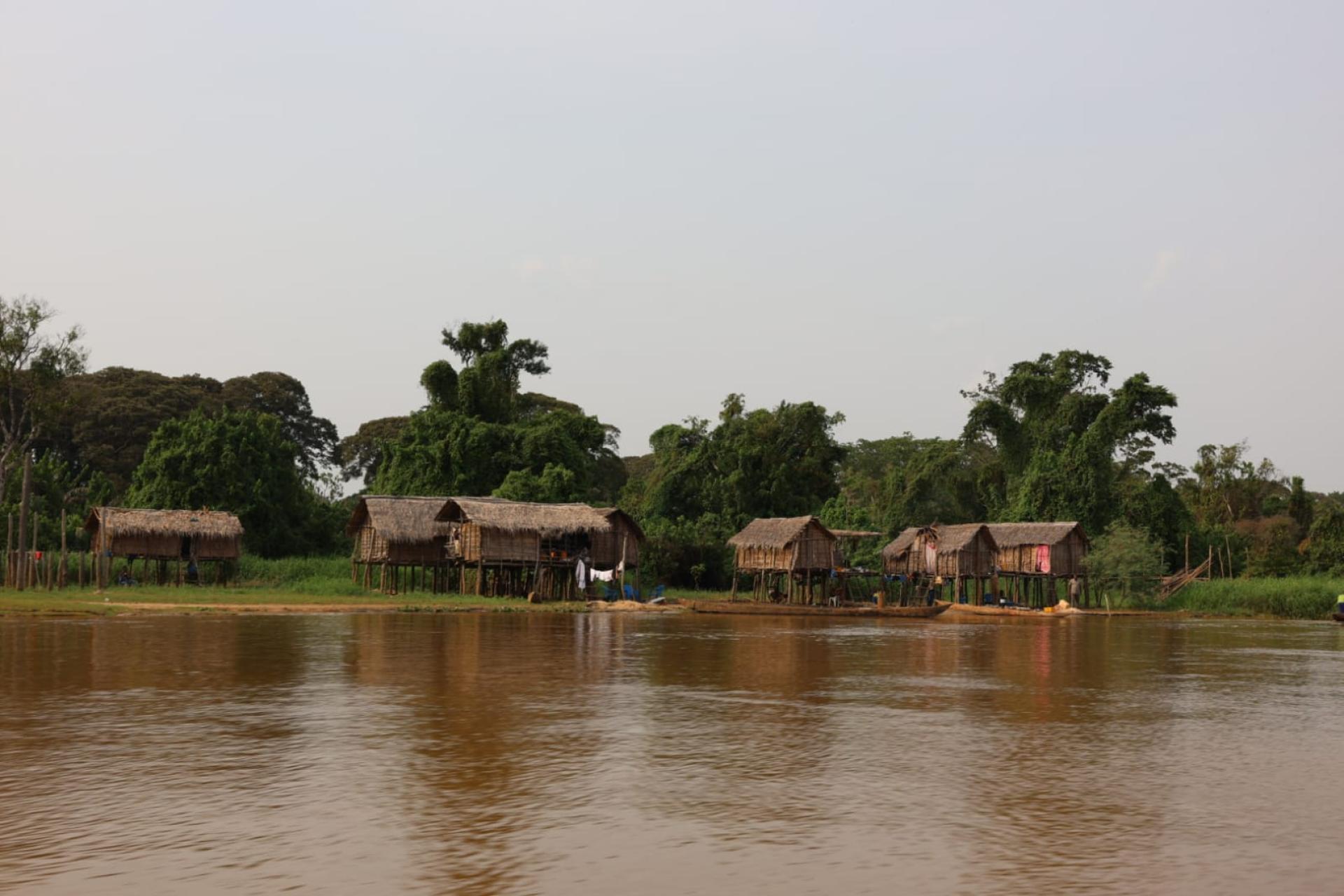
Across the peatland landscapes of Equateur Province in the Democratic Republic of Congo, a coordinated effort is underway to strengthen decision-making processes, broaden stakeholder participation, and improve ecosystem management. As part of a multi-partner field mission supported by the International Climate Initiative (IKI) and the German Government, and implemented under the UNEP-led Congo Basin Landscapes Initiative (CBLI), intersectoral platforms have been successfully established and operationalised across several key territories—marking an important step toward more inclusive and coordinated peatland governance.
From Local Dialogue to Coordinated Action
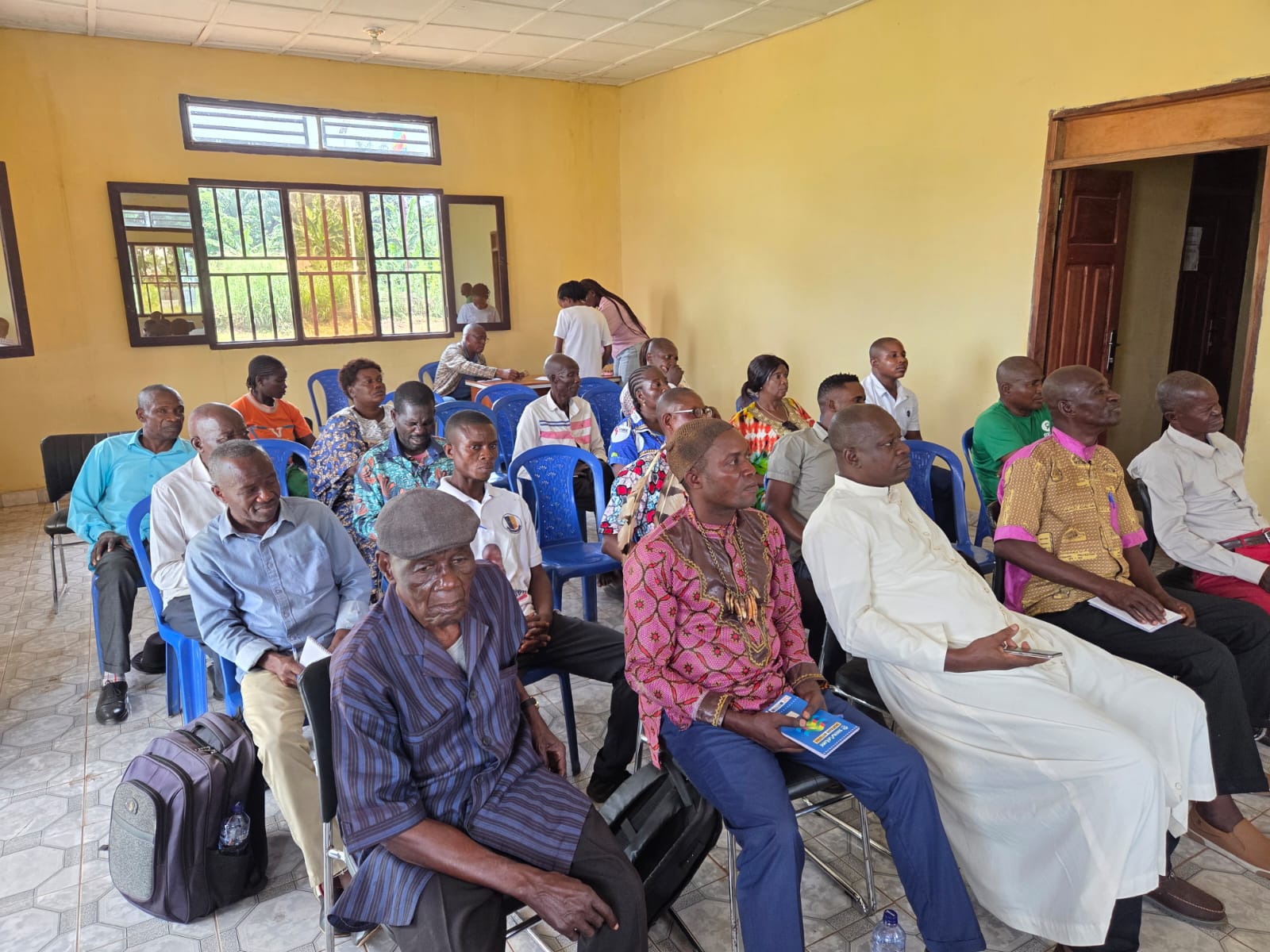
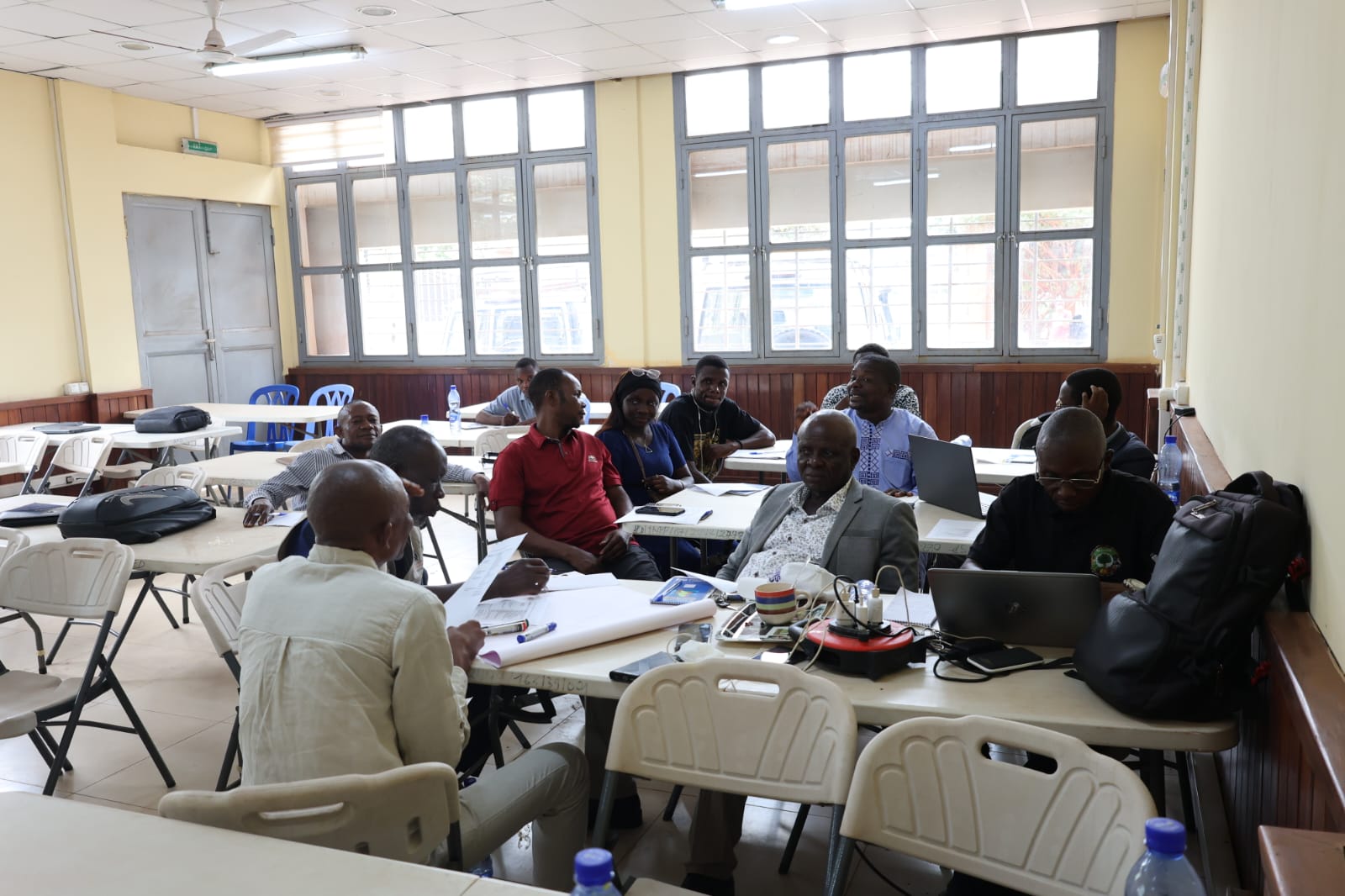
Between late February and mid-March 2026, a joint team composed of experts from the Peatlands Management Unit (UGT), UNEP, and implementing partners engaged stakeholders across the territories of Mbandaka, Makanza, Bikoro, Bomongo, and Lukolela. These engagements combined technical discussions, participatory workshops, and institutional dialogue to support the establishment and operationalisation of local platforms dedicated to peatland governance
These platforms bring together a diverse range of actors—including administrative and political authorities, traditional leaders, civil society representatives, Indigenous Peoples and local communities, with particular attention given to the participation of women and youth. Each platform typically comprises between 24 and 35 members. This diversity reflects a strong commitment to ensuring that decision-making processes are inclusive, representative, and grounded in both local realities and technical knowledge.
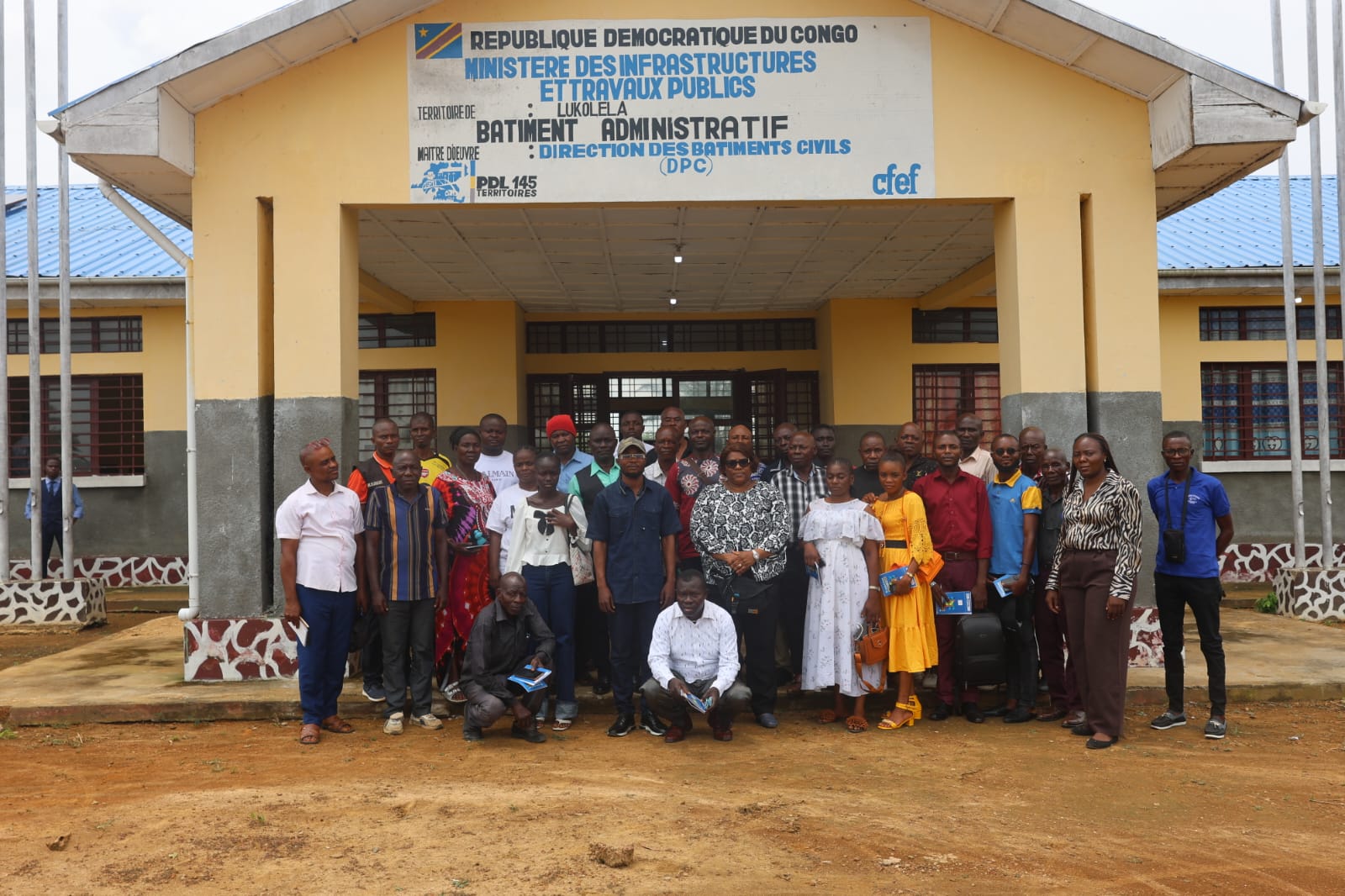
The mission also marked its first engagements in Makanza and Lukolela, expanding the geographical scope of the initiative and opening new opportunities for collaboration in previously underserved areas.
Platforms as Spaces for Inclusive Governance
At the heart of this initiative lies the recognition that sustainable peatland management cannot rely solely on technical solutions—it requires effective governance mechanisms that promote dialogue, coordination, and collective ownership.
The intersectoral platforms are designed to serve as:
- Spaces for dialogue, enabling stakeholders to exchange perspectives and align priorities;
- Coordination mechanisms, linking sectors and institutions that often operate in silos;
- Decision-making frameworks, supporting more coherent and informed approaches to land-use planning and conservation.
The workshops organized during the mission enabled participants to identify key challenges related to peatland management, while also fostering the co-development of governance mechanisms, roles, and operational roadmaps for each platform. As part of this participatory process, stakeholders also defined the identity and structure of their platforms, including the selection of locally meaningful names.
“We must find a name that speaks to communities, so that everyone understands what we are talking about,” explained a teacher from Lukolela during the workshop. “Our choice—‘Tobatela Elobo na biso’—clearly reflects our objective to protect our peatlands, as they are known locally.”
This attention to local language and cultural reference points highlights the importance of anchoring governance mechanisms in community realities, ensuring both understanding and long-term engagement.
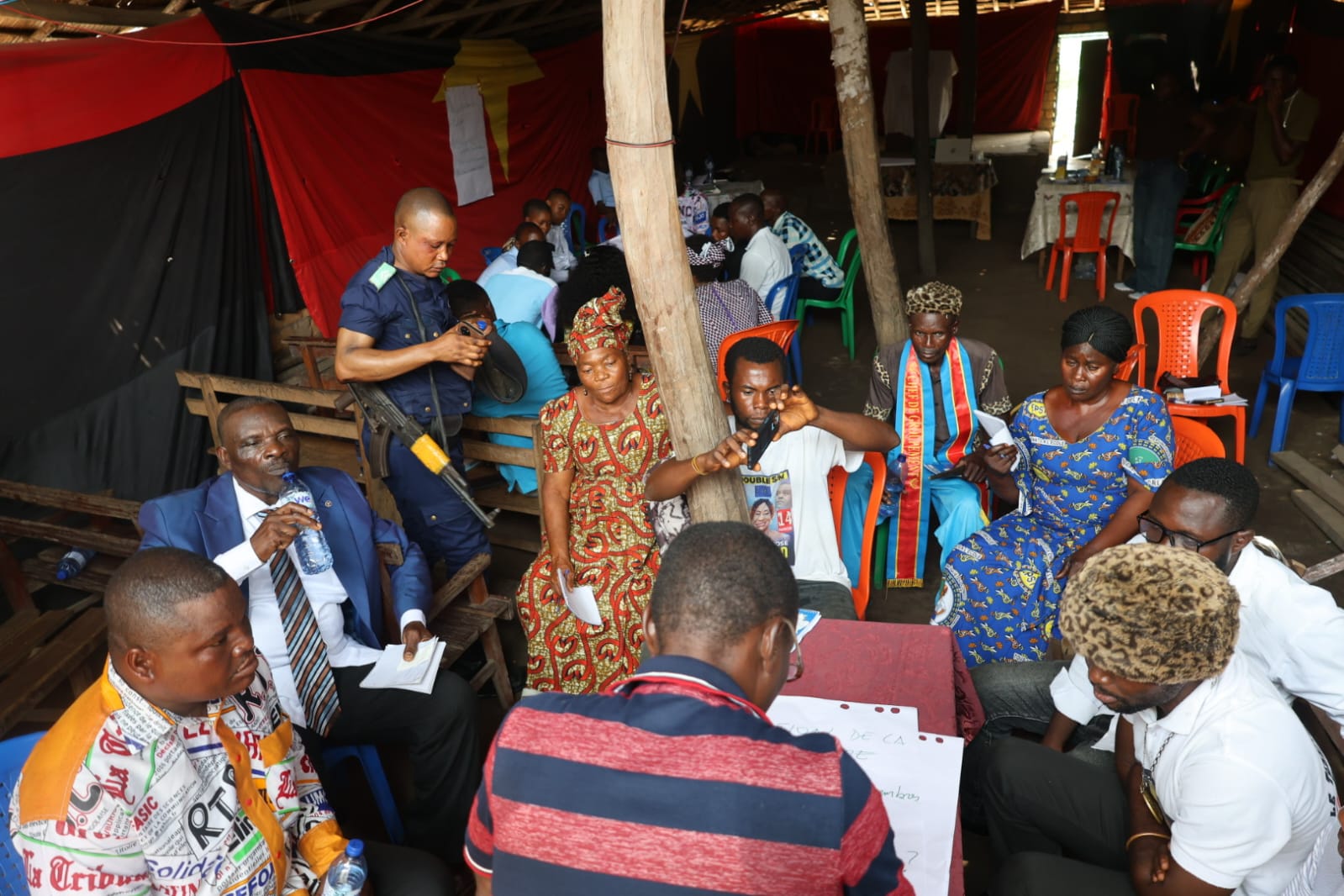
These co-construction processes also underscored the value of combining scientific knowledge, policy frameworks, and local experience—an approach that lies at the core of the CBLI’s integrated landscape vision.
Lessons from the Field: Consistency and Local Ownership
One of the key takeaways from the mission is the emergence of a consistent governance model across territories. Despite differing contexts, the platforms share similar structures, stakeholder composition, and objectives—indicating strong alignment and local ownership.
The active participation of communities, particularly women and youth, reinforces the growing recognition that sustainable landscape management depends on those who live closest to—and depend most directly on—these ecosystems. Their contributions enriched discussions, grounded priorities in lived realities, and strengthened the legitimacy of the platforms as locally anchored governance mechanisms.
Linking Local Action to Regional Impact
While rooted in specific territories, these platforms contribute to a broader ambition: strengthening governance systems across the Congo Basin to support climate resilience, biodiversity conservation, and sustainable livelihoods.
By facilitating coordination and generating locally grounded knowledge, these platforms will contribute to the development of national peatland strategies while feeding into learning processes at both local and regional levels. Their structure and approach also offer strong potential for replication and scaling in other landscapes facing similar challenges.
This connection between local action and regional impact is central to the CBLI approach—ensuring that solutions implemented on the ground contribute to systemic transformation across the Basin.
Laying the Foundations for Long-Term Change
The establishment of these platforms represents far more than a series of meetings—it marks the beginning of a sustained process of collaboration, dialogue, and adaptive governance.
As these mechanisms continue to evolve, they will play a critical role in:
- strengthening coordination among stakeholders,
- supporting integrated land-use planning,
- and ensuring that conservation and development efforts are both inclusive and sustainable.
By bringing together diverse voices around shared objectives, this initiative is laying the foundation for more resilient landscapes and more equitable governance systems in one of the world’s most critical ecosystems.
Further Reading
A partner article (FR) published by ACP provides additional local perspectives on the establishment of the platform in Mbandaka: “Establishment of a peatland-focused platform in Equateur Province”
https://acp.cd/province/mise-en-place-dune-plateforme-sur-la-thematique-tourbiere-a-lequateur/