
Community Radio Revolutionizes Conservation Education in Congo's Peatlands
From the perspective of the CBLI (Congo Basin Landscapes Initiative), the developments in the Lac Télé landscape mark a milestone in how innovative outreach can foster deep community engagement and environmental stewardship. By blending time-tested communication practices with modern technology, we are developing a scalable model for sharing knowledge about peatlands, sustainable resource use, and conservation values with remote communities.
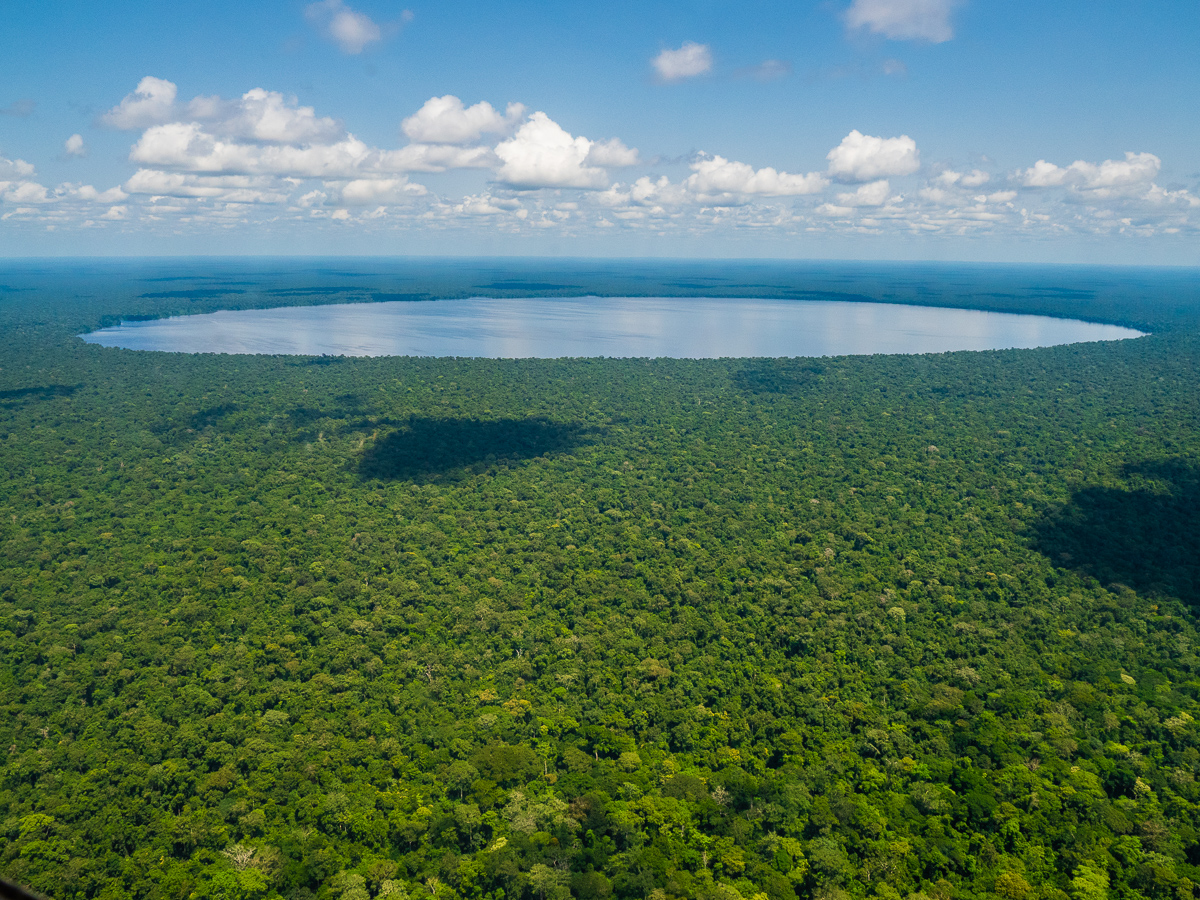
Reaching Remote Communities through Local Voices
Traditionally, conservation messaging has struggled to cross geographic and cultural distances in the Congo Basin. Our community radio station in Lac Télé places local voices at the center of the information flow. Indigenous leaders, peatland stewards, fishers, agroforestry practitioners, and youth reporters contribute stories, spoken in local languages and dialects, making messages more relatable and actionable. This locally rooted approach ensures that:
Information is accessible where people live and work, not just in distant offices or flashier venues.
Content reflects daily realities, seasonal cycles, and traditional knowledge that have sustained peat swamp ecosystems for generations.
Trust is built through familiar mediators - community members who understand local priorities and norms.

A Hybrid Model: Tradition Meets Technology
The initiative does not replace traditional channels; it augments them. As of June 2025, the community radio station for the Lac Télé area is in advanced planning stages, designed to disseminate best practices in natural resource management for peatland ecosystems. The station is developed as part of the Congo Basin IP knowledge management platform and supported by Marien Ngouabi University's field data collection activities, combines narrative storytelling, dramatized conservation scenarios, and live call-in programs with digital tools to expand reach and impact.
Radio as a trusted platform: Regular segments on peatland hydrology, carbon stewardship, and sustainable harvesting practices are broadcast in local languages, accompanied by on-air Q&A sessions.
Digital amplification: Partner networks to disseminate audio clips, short videos, and illustrated guides via mobile apps and offline-compatible storage devices for communities with limited connectivity.
Participatory media: Community reporters capture field insights- wildlife sightings, peatland health indicators, and community concerns- and share them through the station, creating a feedback loop between on-the-ground realities and decision-makers.
Education that Sparks Action
Knowledge is only transformative when it translates into action. The Lac Télé related project emphasizes practical, action-oriented content that supports stewardship and livelihoods.
Best practices in peatland management: Sedge management, water regulation, and fire prevention are explained through dramatizations and demonstrations, empowering households to reduce risks and protect carbon stores.
Sustainable resource use: Content highlights sustainable harvesting of non-timber forest products, responsible fishing practices, and agroforestry techniques that preserve peatland integrity.
Climate resilience literacy: Communities learn how peatlands contribute to flood mitigation and climate regulation, linking individual actions to broader resilience outcomes.
Community Ownership and Accountability
A core strength of this outreach approach is local ownership of information ecosystems. By training community producers, radio staff, and translators, the initiative builds local capacity to sustain and adapt programming over time.
- Local producers: Community members produce segments, host discussions, and curate content calendars, that community voices shape conservation priorities for relevance and cultural resonance.
Ethical communications: The station emphasizes consent, rights, and benefit-sharing, particularly when featuring sensitive environmental data or traditional knowledge.
Transparent feedback: Listeners can voice concerns, request topics, and propose local solutions, strengthening accountability between communities and conservation partners.
A Scalable Model for the Congo Basin
The Lac Télé radio initiative is designed with replication in mind. Its architecture - rooted in local ownership, cross-sector partnerships, and adaptable content - offers a blueprint for similar efforts across the Congo Basin.
Standardized yet adaptable formats: Core program templates cover peatland health, community livelihoods, and governance, while remaining flexible to local languages and cultural practices.
Partnerships for scale: Collaboration with IUCN, UNDP, WWF, and regional actors ensures technical support, training, and sustainable funding models that can be adapted to other landscapes. This radio initiative is part of a broader training strategy that includes technical workshops on peatland management, illegal wildlife trade mitigation, cross-border cooperation mechanisms, and fire prevention conducted in Ouesso and Impfondo in early 2025. These workshops, which engaged approximately 60 participants from across the region were carried out with WCS developing sustainable fisheries communication tools distributed in schools and public areas.
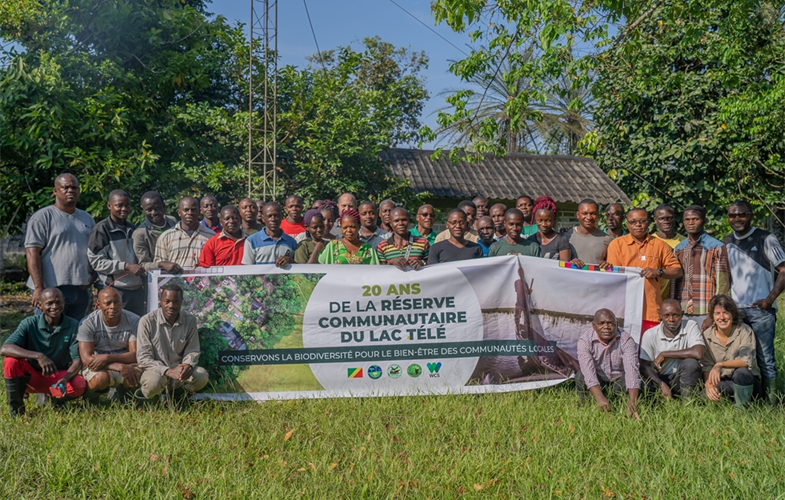
Monitoring and learning: Audience feedback, indicator tracking, and participatory evaluation help refine content and demonstrate impact for funders and communities alike. The radio initiative is complemented by other communication channels, including a Project Management Unit-led outreach tour engaging 7 of 9 districts and a CLG (Community Liaison Group) meeting in Épéna (December 13-14, 2024) with 135 participants from 27 villages. These efforts are part of a comprehensive Communication and Outreach Strategy for the CBLI national child project in the Lac Télé landscape.
Measuring Impact Beyond Reach
The number of broadcasts or listeners is important, but the true measure lies in outcomes that strengthen stewardship and improve livelihoods.
Knowledge uptake: Increased awareness of peatland functions, carbon stewardship, and sustainable use practices.
Behavior change: Adoption of community-led monitoring, reduced fire risk, and more sustainable harvesting methods.
Environmental outcomes: Enhanced peatland integrity, improved water management, and resilience to climate variability.
Social benefits: Stronger community cohesion, greater voice in local decision-making, and enhanced pride in cultural heritage.
A Call to Action
To realize the full potential of community-driven outreach in the Congo Basin, we invite partners and communities to:
Invest in locally owned, radio-based education that blends traditional communication with digital tools.
Support capacity-building for community reporters, translators, and technical staff to sustain and scale programming.
Co-create content that links peatland stewardship to livelihoods, climate resilience, and cultural preservation.
The Lac Télé initiative demonstrates that when information is owned and contextualized by communities, conservation outcomes follow more naturally. As the CBLI, we are committed to nurturing these vibrant information ecosystems where local voices inform national conversations, and where stewardship and sustainable development grow hand in hand under the shared canopy of the Congo Basin.