
Mouloundou, Dja Landscape, Cameroon – January 2026
The GEF-8 Dja Landscape Project has taken a major step toward community-led conservation with the launch of a medicinal plant garden in Dioula village.
This initiative marks the first milestone in establishing a community forest that will secure Indigenous Peoples’ rights while promoting sustainable forest management across nearly 4 million hectares of the Dja Landscape.
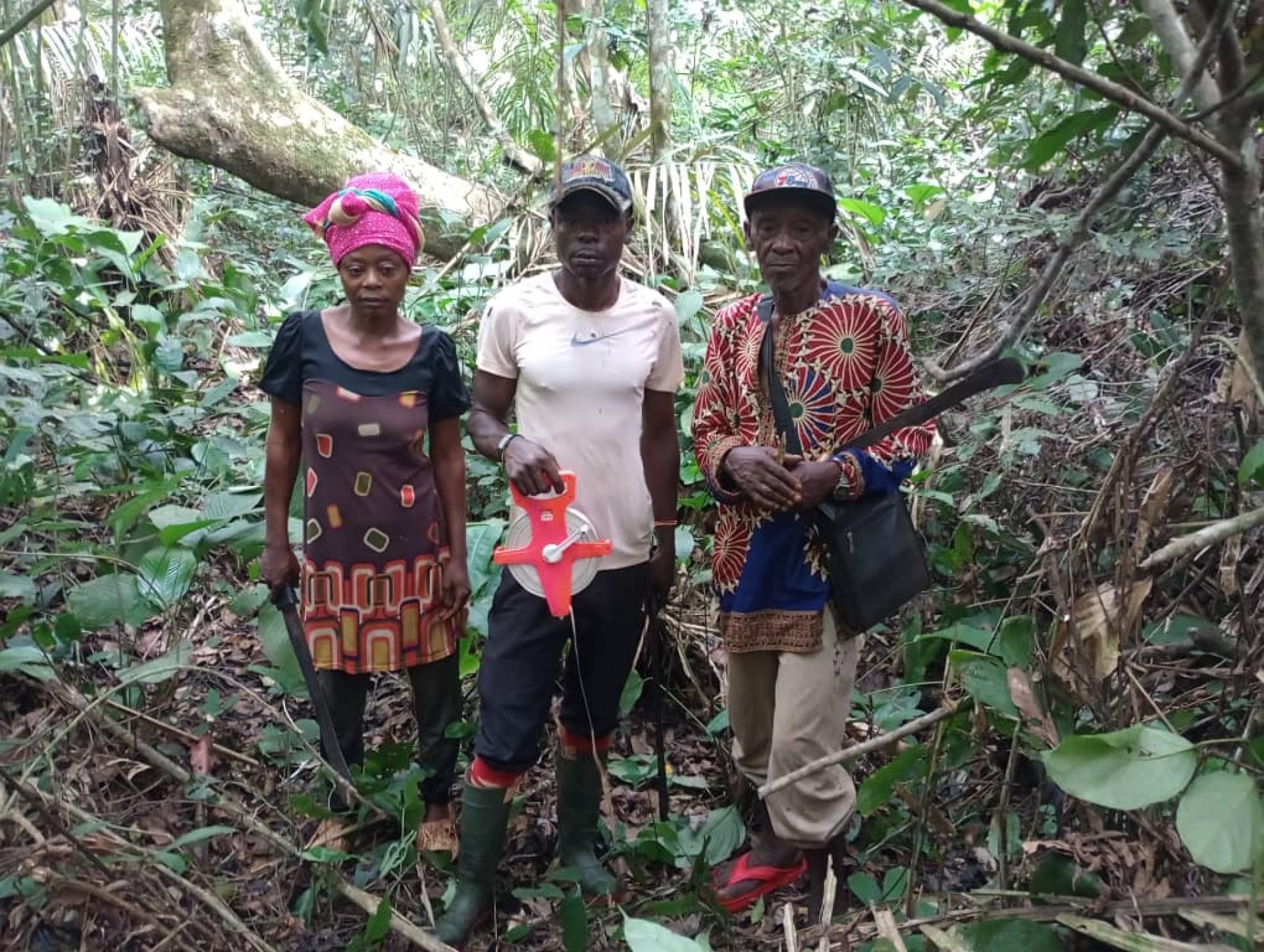
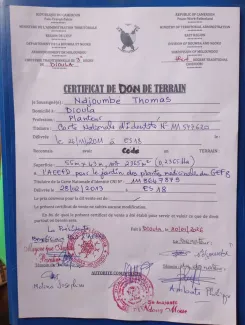
The medicinal plant garden directly contributes to Output 2.2 of the GEF-8 Dja Landscape Project, which focuses on strengthening forest restoration and sustainable forest management through community forestry, while safeguarding the rights of Indigenous Peoples and local communities. Covering nearly 2,500 square meters along the Mbandamé River, the garden is located on land generously donated by village elder Njoumbé Thomas, exemplifying the successful integration of traditional knowledge and modern conservation approaches.
Women at the Forefront of Conservation
Management of the medicinal plant garden and an adjacent tree nursery has been entrusted to the Essoungue women’s association, an interethnic group dedicated to improving women’s wellbeing in southeastern Cameroon’s Lobéké Forest region. Following the first GEF grant disbursement in January 2026, the association mobilized immediately, placing women at the heart of conservation planning, decision-making, and forest stewardship.
“Resilient Families, Resilient Forests” in Practice
The future community forest will generate sustainable income through non-timber forest products (NTFPs), creating a self-sustaining model that links environmental conservation with community health and wellbeing. Revenues will support Dioula’s Health Center by funding essential medicines and supplies, as well as the salaries of two nurses and one pharmacist. Strategically located behind the health center, the garden provides healthcare professionals with direct access to medicinal plants when they are most needed.
Restoring Forest ecosystems with Medicinal plants provides multiple Benefits for People and Nature
- Biodiversity Conservation: Protects endemic medicinal plant species while supporting forest restoration and vital ecosystem services.
- Indigenous Rights: Strengthens community forest tenure and secures rights to land, resources, and traditional territories in line with Free, Prior, and Informed Consent (FPIC) principles.
- Gender Equality: Elevates women’s leadership in forest management and ensures fair distribution of conservation benefits.
- Climate Action: Enhances carbon sequestration and climate resilience in the Congo Basin.
- Sustainable Livelihoods: Diversifies income sources while reducing pressure on forests through regulated harvesting and community monitoring.
A Scalable Model for the Congo Basin
The Essoungue medicinal plant garden serves as a pilot for community-driven conservation across the Dja Landscape and the wider Congo Basin. It highlights the transformative power of investing in local communities as primary conservation actors—and reinforces the understanding that environmental health and human wellbeing are deeply interconnected.
As the women of Essoungue nurture their medicinal plant garden, they are cultivating more than plants: they are sowing the foundations for a healthier, more equitable, and more sustainable future.